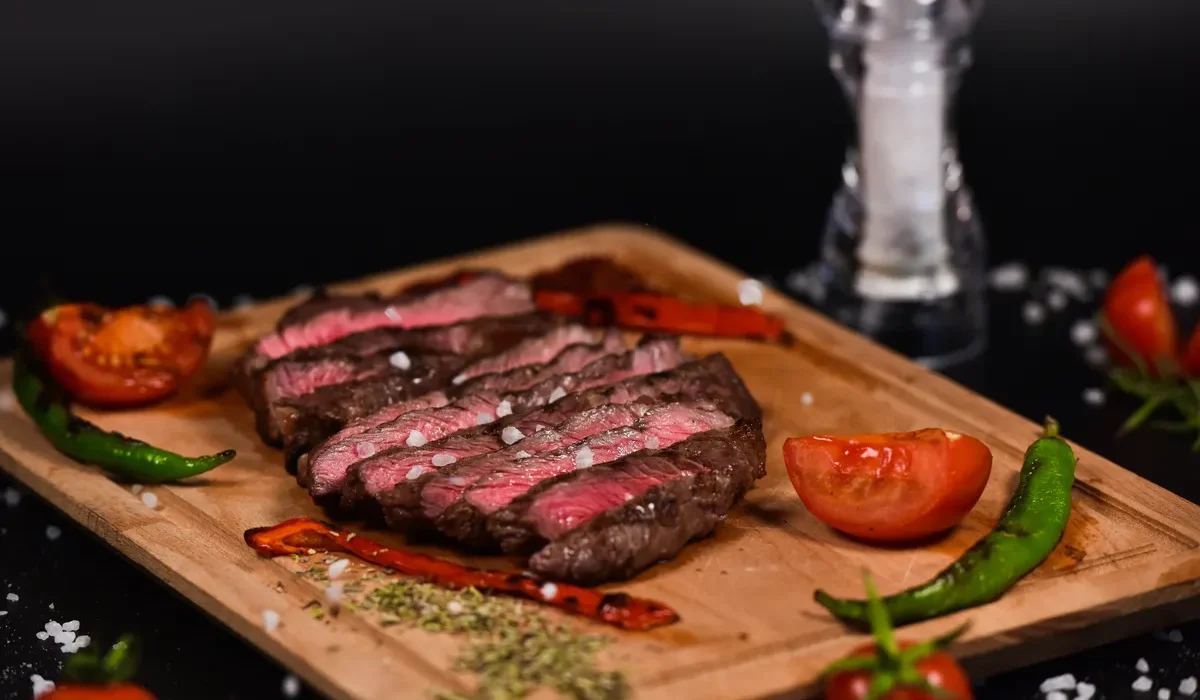

Butcher-counter comparison • American home kitchens
Skirt steak vs flank steak comes down to shape, fat, fiber direction, and what you’re cooking: skirt is usually longer, thinner, and more intensely beefy; flank is wider, thicker, and leaner. I would pick skirt for classic fajitas and fast, flavorful grill strips, but flank for neat steak-salad slices or stuffed steak. Either can work in many of the same dishes if you change the cooking approach and slice across the grain.
In This Guide
Skirt Steak vs Flank Steak: Quick Comparison
If you’re standing in front of the meat case, don’t buy by the word “steak” alone. A skirt steak vs flank steak comparison is really about what happens after the steak hits the grill and after you cut it. The first has loose-looking fibers and a long, narrow profile. The second tends to look like a broad, relatively uniform slab with a lengthwise grain.
| Feature | Skirt steak | Flank steak |
|---|---|---|
| Location | Short plate region; skirt muscles | Lower abdominal/flank region |
| Typical shape | Longer, narrower, thinner | Wider, thicker, more oval |
| Visible grain | Usually runs across the narrow width | Usually runs lengthwise |
| Fat and flavor | Often richer and more strongly beefy | Generally leaner; still full of flavor |
| Cooking behavior | Thin sections change temperature quickly | Thicker sections need more time |
| Best familiar use | Fajitas and carne asada | Steak salad and sandwiches |
| How to slice | Portion into shorter lengths, then slice across fibers | Slice thinly across the long visible fibers |
| Safe minimum | 145°F + 3-minute rest | 145°F + 3-minute rest |
These are typical retail characteristics, not guarantees for every trimmed cut. Temperature guidance follows the USDA.
There isn’t a single winner in skirt steak vs flank steak. A great piece of flank beats a poorly trimmed skirt for some meals, and a well-prepared skirt can be the better purchase when you’re feeding fajita fans. Check the actual price per pound and the thickness of the package in front of you; both vary.
What Is Skirt Steak?
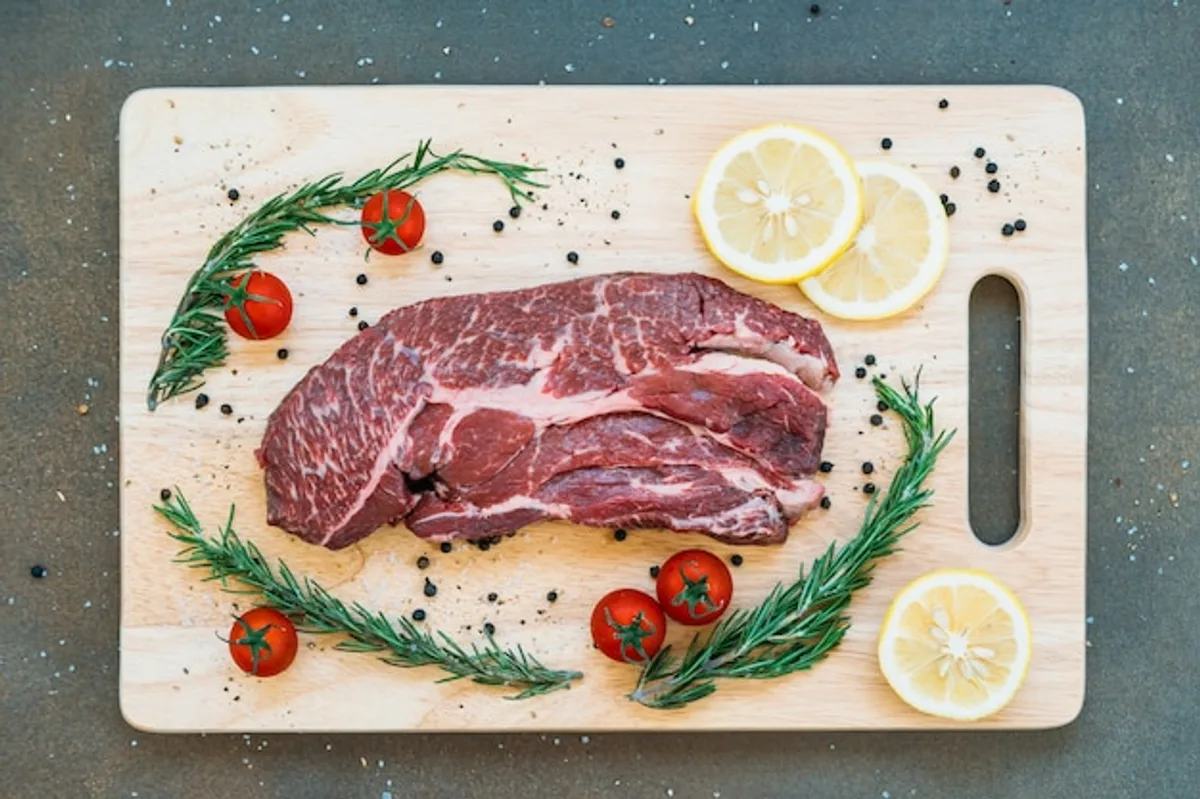
Skirt steak is the ribbon-shaped option often sold for fajitas. It comes from the plate area of the animal; the trade includes both “inside skirt” and “outside skirt,” which are different muscles and can have different trimming and texture. The outside cut is often sought after by restaurants, so don’t assume every package labeled skirt will look identical.
What I look for is a long, irregular strip with clearly defined lines running from one edge to the other. It can have a loose, almost pleated appearance once the surface membrane and fat have been trimmed. Compared with flank, skirt often has more visible fat and tastes a little richer after searing.
Inside skirt vs outside skirt
If you can choose, ask which one you’re getting rather than relying on a dramatic online price comparison. Outside skirt is often described as more tender, but its availability depends on the butcher. Inside skirt is common in retail and works for excellent fajitas when properly trimmed, cooked and sliced. A package simply marked “fajita meat” might mean skirt, but it isn’t proof of the cut.
In a skirt steak vs flank steak buying decision, this inside-versus-outside detail can matter more than a generic claim that one cut is always tenderer. The individual steak’s trimming, thickness and handling can shift the experience quite a bit.

What Is Flank Steak?
Flank steak comes from the lower abdominal area. It’s generally broader and more uniform in thickness than skirt, with fibers that tend to run down the length of the piece. I think of it as the cut for people who want a lean, neatly sliceable steak with a strong beef flavor but less obvious fat.
You’ll often see it sold as one large, flat piece, sometimes enough for several people once cut thinly. A flank steak isn’t a soft tenderloin, and slicing it the wrong way can turn a perfectly seasoned meal into a lot of chewing. That’s why the grain is the first thing I look for before it goes into the pan.
Flank steak handles a marinade well, but a marinade isn’t magic: it adds surface flavor and may change the surface texture, while the grain direction still determines how easy the cooked slices are to chew. If you’re comparing skirt steak vs flank steak specifically for lunch bowls, flank’s tidy slices may be easier to portion.
9 Differences That Matter When You Shop
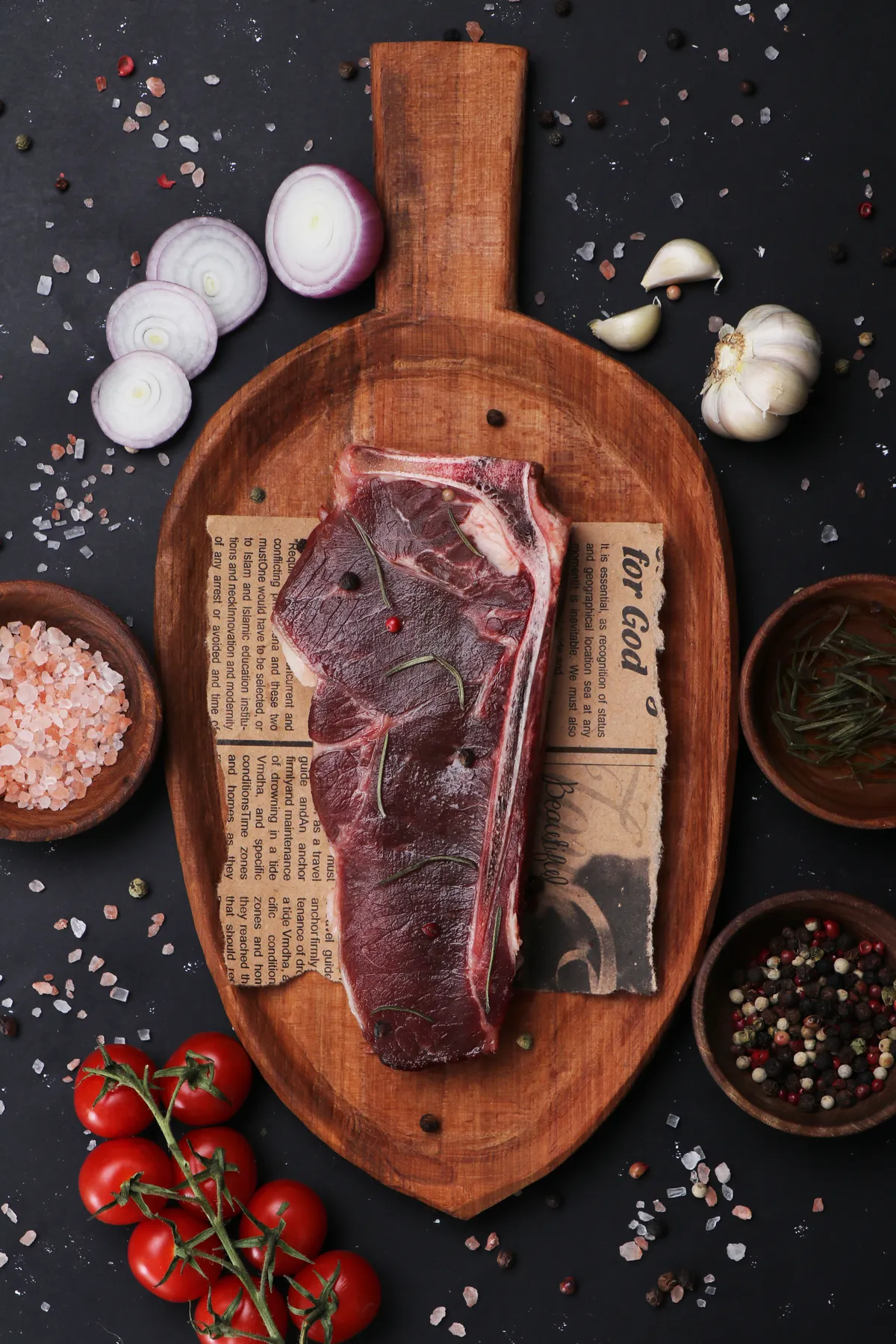
Many skirt steak vs flank steak guides stop after saying that one is “thin” and the other is “lean.” Those are useful starting points, but they don’t explain what changes on a busy weeknight. These nine details make the decision more practical.
1. They come from different muscles
Skirt is associated with muscles in the short plate area; flank comes from the lower abdominal wall. That’s why the cuts have different shapes and fiber patterns even though they both appear in grilled beef recipes.
2. The shape changes the cooking schedule
Skirt is often a long strip that can be thinner at the ends. Flank is usually wider and thicker. If you buy two equal-weight packages, don’t expect the same minutes on the grill; steak thickness matters much more than total weight.
3. The grain runs in a different direction
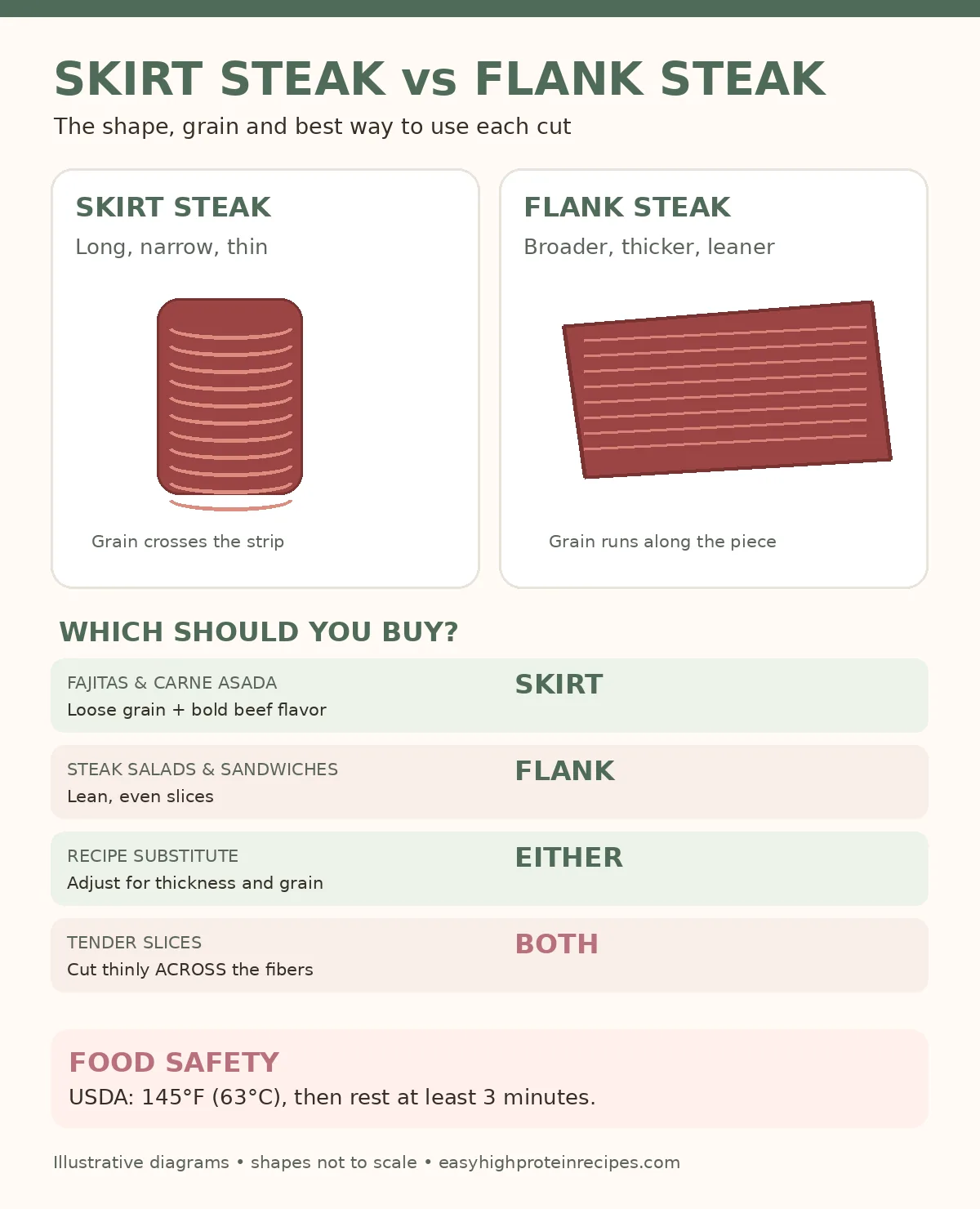
On a typical skirt strip, the muscle fibers cross its narrow width. On flank, they generally run lengthwise. That’s the detail I would photograph with my phone before seasoning, because it tells me how I’ll cut the cooked steak afterward.
4. The fat isn’t distributed the same way
Skirt often has more marbling and connective tissue between its looser fibers. Flank is generally leaner. Neither statement replaces the nutrition label or the butcher’s trim; if nutritional precision matters to you, look at the actual product information instead of relying on blanket numbers online.
5. They taste different without being opposites
Skirt tends toward a particularly pronounced beef flavor; flank is beefy too, just often less rich. If a recipe uses a strong citrus-garlic marinade, either can taste fantastic. When cooking simply with salt and pepper, I would notice skirt’s more assertive flavor.
6. One is easier to portion into neat strips
Flank’s broad surface and fairly consistent thickness make rows of similarly sized slices practical for a salad or platter. Skirt may need to be divided into shorter sections first. That’s not a drawback, just a different carving plan.
7. A marinade has different surface contact
The open-looking surface of skirt is good for holding flavorful oil, herbs and spices. Flank also benefits from a marinade, especially if you’re serving it sliced in tortillas or over rice. Keep either cut refrigerated while marinating and discard used raw-meat marinade unless you boil it properly before reuse.
8. Substitution means changing time, not just weight
If a recipe asks for thin skirt but you only have thick flank, using the same timing will probably disappoint. Adjust the heat, check the center with a food thermometer and work from the thickness you actually bought. Don’t chase a fixed “two minutes per side” rule.
9. Price is a store-by-store comparison
Outside skirt can be harder to source, and store promotions can flip which cut costs more. It’s not accurate to promise that skirt is always the budget choice or that flank always costs less. Compare price per pound, amount of trim, and how many portions you’ll get.
That’s the complete practical skirt steak vs flank steak comparison in one place: different shape, distinct grain, different fat profile, and cooking adjustments that matter. Now let’s use those details to shop confidently.
How to Recognize Both Cuts at the Store
At the meat counter, choose by package label first and physical shape second. A real butcher can confirm the cut; a generic stock photo cannot. That’s why I’ve used genuine food photos for cooking inspiration but put the specific grain patterns in a clearly labeled schematic below.
- Read the label: look for “skirt steak,” “inside skirt,” “outside skirt” or “flank steak,” not just “grilling steak.”
- Check shape: skirt often looks like a slim ribbon; flank usually looks like a wide, flat oval or rectangle.
- Trace fibers: skirt’s coarse lines tend to cross the narrow direction; flank’s run the long way.
- Inspect trim: thick membrane, excess outer fat and uneven thickness may change how much usable meat you get.
- Compare unit prices: use the posted price per pound, not only the package total.
Don’t worry if the label doesn’t match every detail of a guide. Some steaks arrive rolled, folded or trimmed differently. In a skirt steak vs flank steak purchase, asking the butcher to lay a piece flat can tell you more than comparing two heavily styled product photos.
Which Cut Is Better for Each Meal?
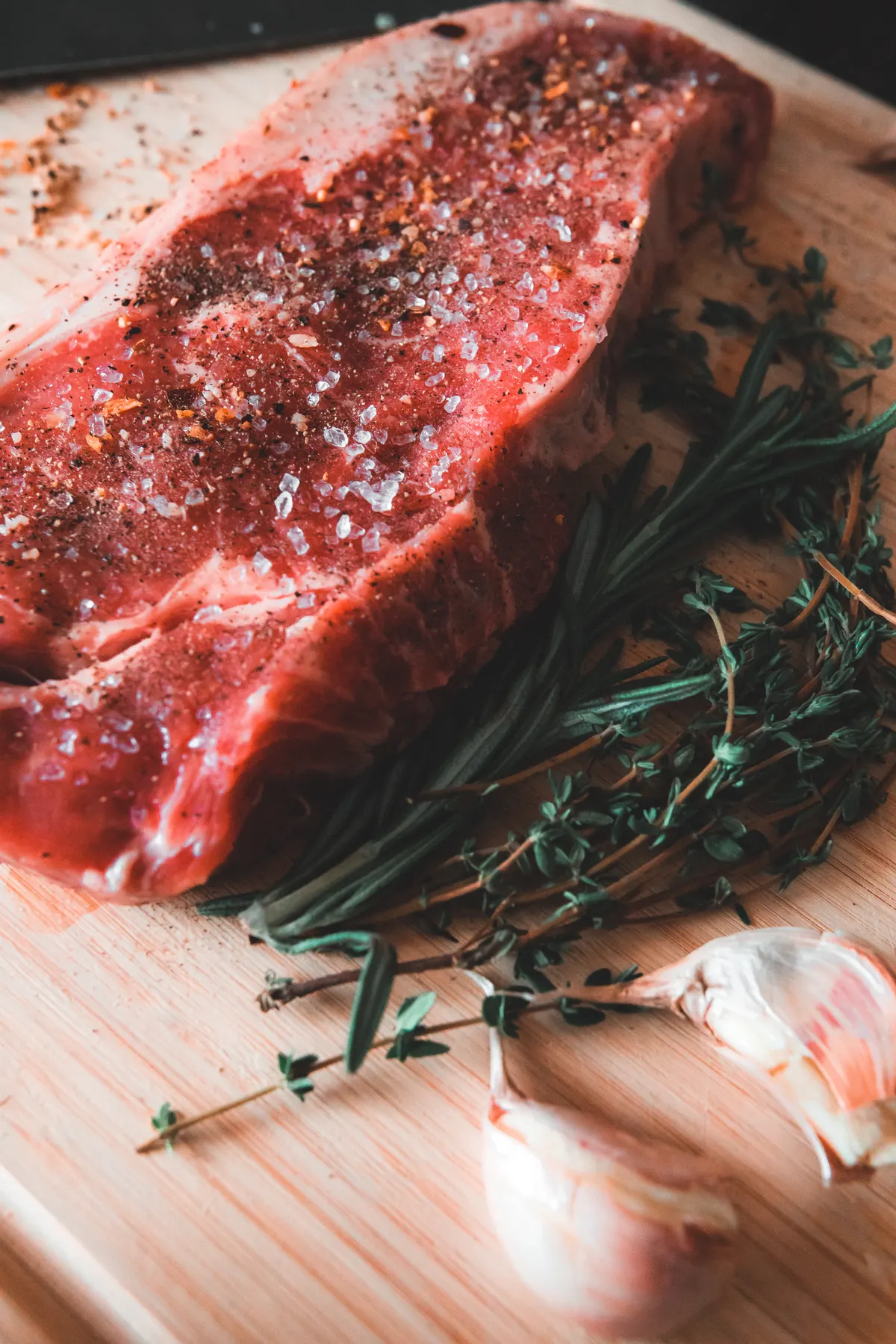
Here is where I make the call. Choosing skirt steak vs flank steak should start with the finished dish, not whichever label sounds fancier. The most useful choice is the cut that plays nicely with your plan and equipment.
Best for fajitas and carne asada: skirt
Skirt is the classic pick. Its long, relatively thin profile browns quickly and the strong flavor stands up to onion, peppers, lime and warm tortillas. Cut the cooked strip into shorter lengths, turn the pieces and slice across the fibers so the bite is manageable.
Best for steak salads and sandwiches: flank
I would choose flank when I want consistent strips for a salad, sandwich or meal-prep box. It gives you a broad flat surface to season, and a neat row of thin slices looks good over greens. A little punchy dressing helps the leaner beef feel balanced.
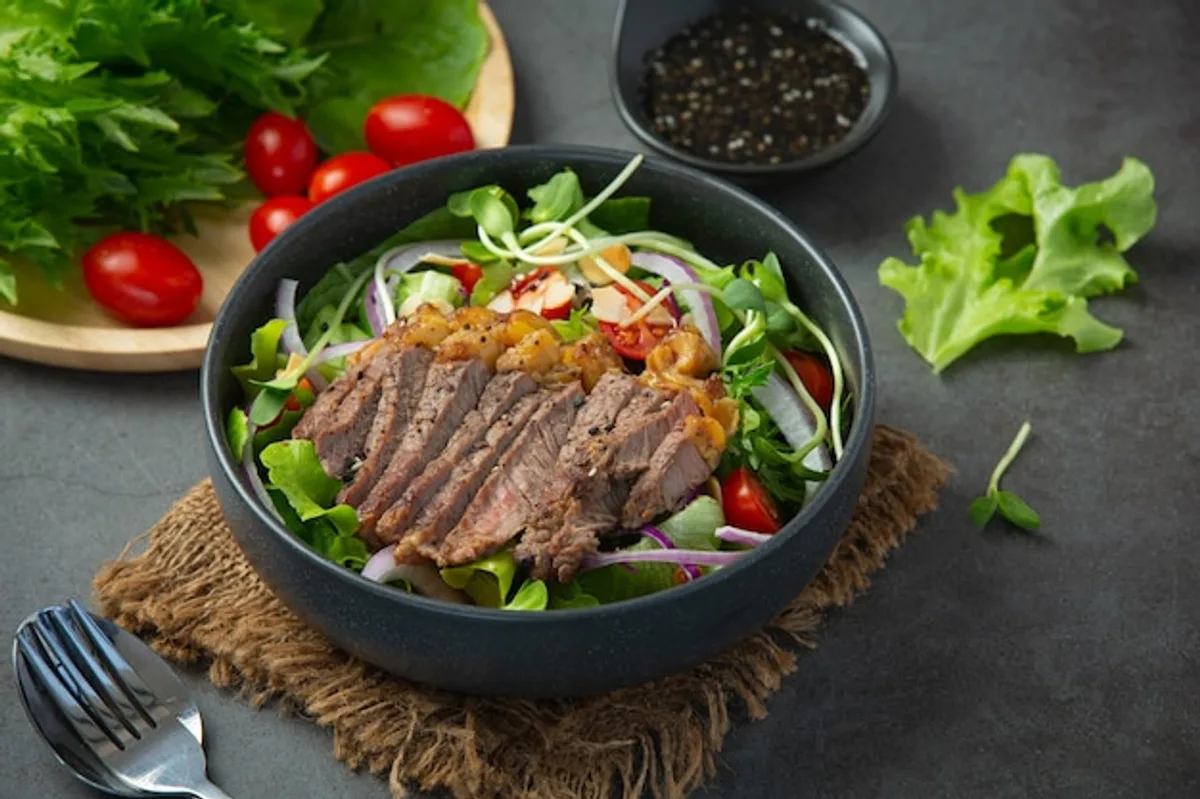
Best for tacos and rice bowls: either
Both work, but the texture changes the result. Skirt gives tacos a richer steakhouse edge; flank gives rice bowls clean slices. The two are close enough that you’ll be better served by a reliable thermometer and sharp knife than by getting attached to one name.
If you already enjoy our Big Mac bowl recipe, this is an alternative way to build a beef-and-vegetable bowl using steak rather than ground beef. For lighter dinner combinations, browse high-protein low-carb dinner ideas.
Best for quick grilling: check thickness first
A particularly thin skirt may be fast, but quick isn’t automatically better if the center is difficult to measure. For a thick flank, allow more time and check the coolest point of the cut. Either way, keep a safe temperature target instead of guessing from surface char.
Can You Substitute One for the Other?
Yes, in most fajita, taco, stir-fry and grilled steak recipes you can swap skirt for flank or flank for skirt. But “one pound for one pound” is only a shopping equivalence, not a cooking instruction. Changes in thickness, trimming and grain are the parts worth planning around.
- Replacing skirt with flank? Give the thicker steak more time to heat through; slice thinly across its long fibers.
- Replacing flank with skirt? Watch thin ends carefully; cut the long strip into shorter portions before slicing.
- Stuffed or rolled preparation? Flank’s wide, even shape is generally easier to roll; skirt’s narrow shape may not hold the filling as well.
- Shopping by weight? Start with about 6–8 ounces raw steak per adult as a planning estimate, then adjust for appetite, sides, and trimming.
For skirt steak vs flank steak swaps, I also check how the original recipe intends to serve the meat. A dish calling for large, tidy rolled slices isn’t automatically suited to a narrow strip, even if both cook beautifully on a grill.
How to Marinate and Cook Them Safely
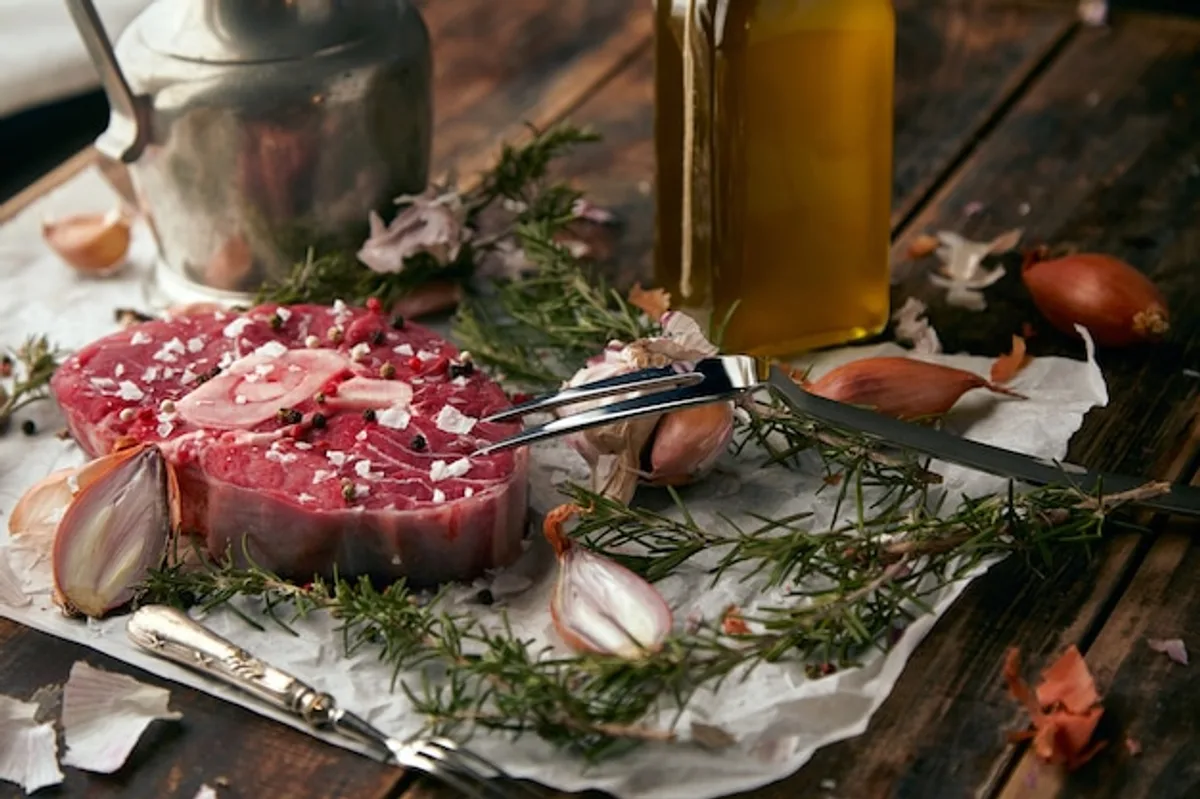
You don’t need a complicated marinade to make either cut flavorful. A combination of a little oil, garlic, citrus zest, herbs and salt gives you a good starting point. The key rule is to marinate in the refrigerator, not on a countertop, and to keep raw meat separate from ingredients that are ready to eat.
For a basic stovetop method, pat the steak dry, warm a heavy skillet, add a thin film of high-heat oil and sear without crowding. Use tongs to turn the steak. If one section is much thinner than another, take temperature readings in more than one spot and plan around the slowest-cooking part.
Steak temperature and safe handling
USDA guidance for whole beef steaks is a minimum of 145°F (63°C), followed by a rest of at least three minutes. This differs from some restaurant doneness advice that recommends lower internal temperatures for texture. Here, I prioritize the official home food-safety minimum and never claim that appearance or minutes per side alone prove safety.
A thin skirt steak may heat quickly and can be awkward to probe. Insert the thermometer sideways into the center of a thin section when possible, and use the thickest appropriate part rather than touching the hot skillet. Wash the probe between raw and cooked checks as directed by the manufacturer.
This skirt steak vs flank steak difference also matters for leftovers: both follow the same basic beef storage rules. USDA advises using raw steaks within three to five refrigerator days and cooked beef within three to four days at 40°F or colder. Refrigerate promptly, especially after an outdoor cookout.
How to Slice Skirt Steak and Flank Steak Against the Grain
If I could add one skill to every skirt steak vs flank steak guide, it would be how to cut each one correctly. A steak can be well seasoned and safely cooked, yet still feel tough if the knife follows the long fibers instead of crossing them. This is especially noticeable in these working-muscle cuts.
Skirt steak vs flank steak: finding the grain
Look for a series of fine lines on the raw surface, like the strands in a bundle of rope. On many flank steaks, those lines run from one end of the broad slab to the other. On a strip of skirt, they often run across its width. Note their direction before you cook, when the fibers are easiest to see.
How I would slice skirt steak
For a long skirt strip, first divide the strip into a few shorter, manageable sections with the grain. Then turn each section a quarter turn so your knife runs perpendicular to those fibers. Slice thinly. This sounds like an extra step, but it makes cutting more comfortable and keeps the final strands short.
How I would slice flank steak
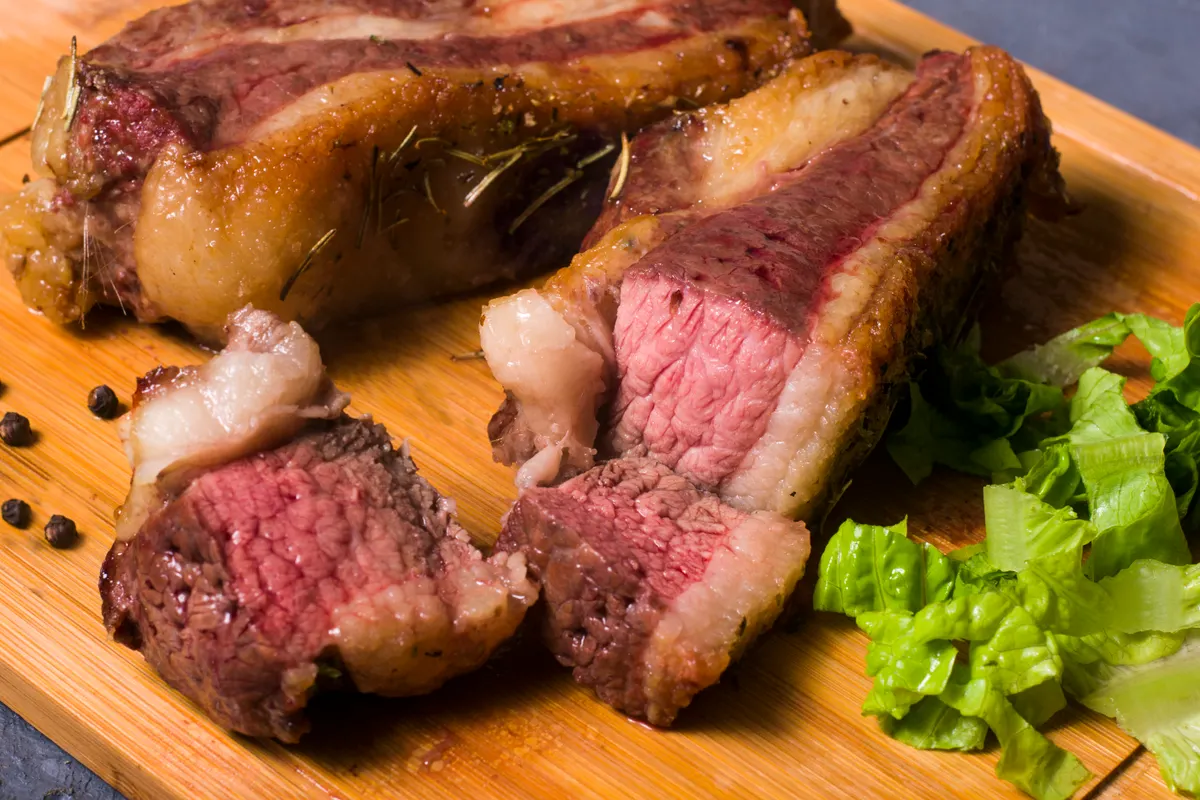
Rest the cooked flank as required, lay it with the grain running away from you, then cut across the visible lines into thin, slightly angled pieces. A sharp knife makes a cleaner slice. If the slices look like they contain long continuous strings, you’ve probably turned the cut the wrong way.
The diagram below summarizes skirt steak vs flank steak shape and grain. The shapes are illustrative, not traced from butcher-certified specimens; individual pieces vary.
Price, Portions, and Protein Considerations
I don’t use a universal per-pound price in a skirt steak vs flank steak comparison because prices vary by store, grade, geography and week. Even outside skirt and inside skirt may be priced very differently. If two packages have different weights, compare the unit price printed on the shelf and account for the trimming you’d have to do at home.
For portion planning, 6–8 ounces of raw beef per person is a flexible starting point for a steak-centered dinner, not a nutritional target. If it’s going into a salad with plenty of beans and vegetables, you may want less; if it’s the main feature at a family cookout, you may want more. Cut thickness and trimming can change how generous the finished plate looks.
Both cuts can fit a protein-centered meal, but the actual protein and fat per serving depend on the specific cut, trim and cooked weight. I won’t assign invented nutrition figures to a generic steak photo. Look at the package information or an official food composition database if you need a precise estimate.
Mistakes That Make Either Steak Chewy
These are the mistakes I’d flag for someone comparing skirt steak vs flank steak before their first cookout. None requires a fancy piece of equipment to avoid; most come down to handling the steak with a little more attention.
- Buying “fajita meat” without checking the label: the pre-cut product can contain different beef cuts; ask if the cut matters for your recipe.
- Assuming thickness matches weight: two one-pound steaks can need very different cooking times.
- Keeping long fibers intact: always slice across the grain for shorter, more manageable bites.
- Overcrowding a skillet: a packed pan releases moisture and makes an even sear harder.
- Charring without measuring the center: exterior color is not a reliable food-safety test.
- Using the raw-meat marinade as sauce: discard it or follow official guidance to boil it before use.
- Guessing from a stock photograph: visually similar beef cuts can be confused; read the package name.
- Marinating at room temperature: refrigerated marination is the safer method.
A skirt steak vs flank steak choice matters, but how you cut and handle either one matters more than a confidently worded “winner” list. I would rather buy an ordinary piece of the right thickness than spend more for a cut I plan to overcook.
Interactive Steak Cut Chooser
Not sure which one suits tonight’s dinner? This skirt steak vs flank steak chooser weighs the meal, what you prefer, and which cuts are available. It’s a practical suggestion, not a nutrition or food-safety calculator. It runs locally in your browser and doesn’t save or send answers.
No login, no saved preferences, and no data sent to our site. Always follow USDA minimum temperatures regardless of the recommendation.
If both are available and you’re still undecided, compare the packages side by side. I would choose the one with an even thickness, good trimming, and a price that makes sense for the meal. The chooser can’t inspect the actual steak for you.
Free Skirt Steak vs Flank Steak Printable
Here’s the one-page printable version of this skirt steak vs flank steak guide. It’s designed for the butcher counter or the fridge door: simple checkboxes for the right cut, quick comparison points, tips for slicing and the official steak temperature. No email gate required.
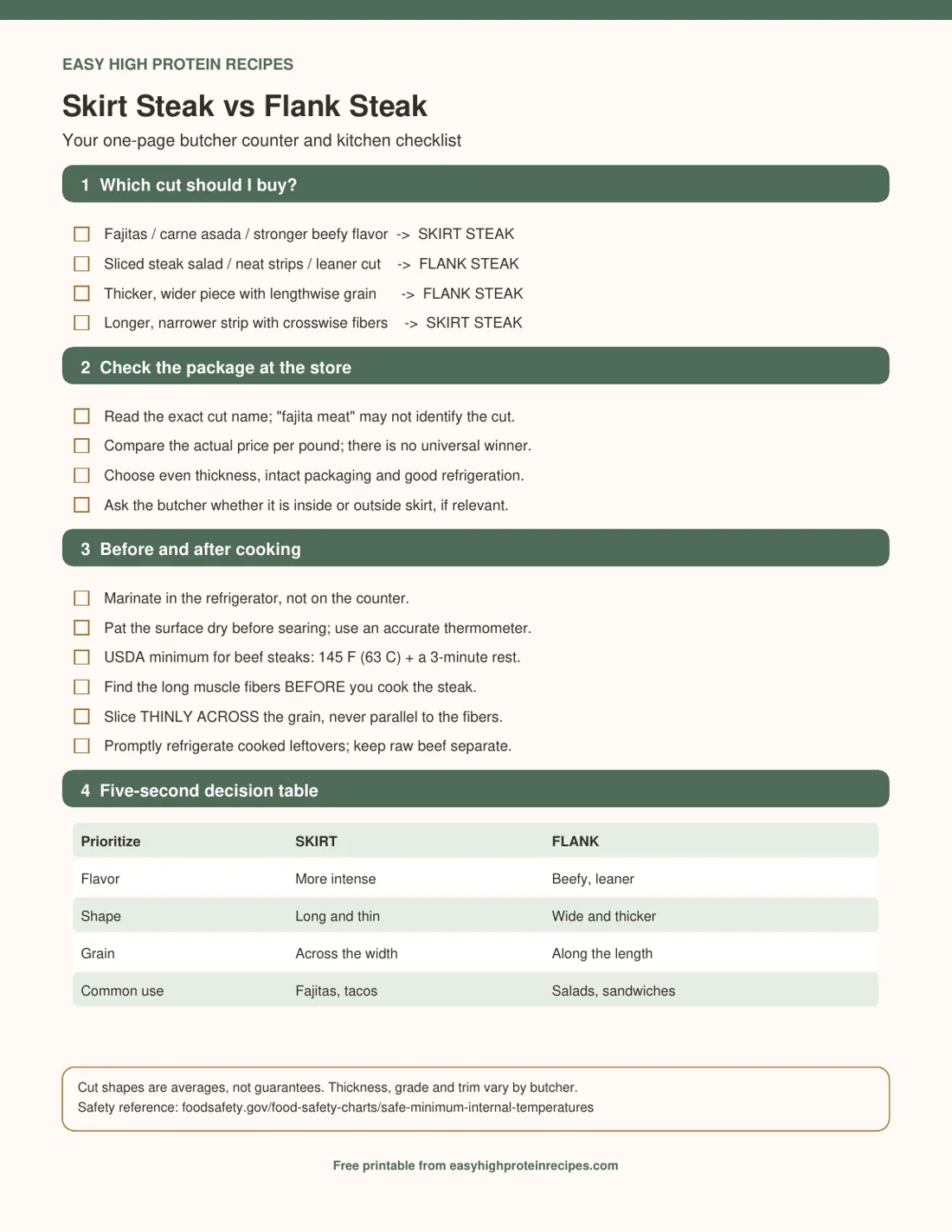
Save it before shopping, or use it to check which way the grain goes while the meat is still raw. That’s the part of the skirt steak vs flank steak debate I wish more comparison charts spent time on.
Skirt Steak vs Flank Steak FAQs
Is skirt steak the same as flank steak?
No. Skirt and flank come from different areas of the animal, with different shape, fiber and fat patterns. In a skirt steak vs flank steak comparison, their similarities are the strong beef flavor, suitability for high-heat cooking and the need to slice thinly against the grain.
Which is better: skirt steak or flank steak?
For fajitas and bold grilled flavor, skirt is my first pick. For leaner, neater slices in salads or sandwiches, I usually choose flank. The right answer depends on the dish, thickness and quality of the package, not just the cut name.
What is the difference between skirt steak and flank steak for fajitas?
Skirt’s thin, narrow profile and bold flavor make it the traditional favorite. Flank also works well: season it, cook it based on its thickness, and cut across the long fibers. A skirt steak vs flank steak swap for fajitas is normally straightforward with those adjustments.
Is skirt steak more tender than flank steak?
Neither is automatically the tender option in every case. Trimming, fiber size, thickness and how you slice the finished steak change the bite. Outside skirt, inside skirt and a well-trimmed flank can feel different, so broad “always tenderer” rules are unreliable.
Is skirt steak or flank steak leaner?
Flank steak is generally the leaner cut, while skirt often has more fat between fibers. Exact nutritional values depend on the specific piece and trim, so check a verified nutrition label or official composition data rather than assuming one number fits every steak.
Can I use flank instead of skirt in a recipe?
Usually yes for fajitas, grilled slices, tacos and stir-fries. Expect flank to be broader and generally thicker, so don’t copy the skirt’s cooking minutes without checking temperature. Slice across the long grain for easier chewing.
That covers the most common skirt steak vs flank steak questions, including what to buy, how to identify it and how to substitute. The PDF puts the practical reminders into one page if you’re shopping without reliable internet.
Related High-Protein Dinner Guides
If you’re planning a beef dinner after reading this skirt steak vs flank steak guide, the steak au poivre recipe explains how to build a creamy pan sauce for a different steak cut. For protein-focused weeknights, you might also like our high-protein garlic chicken rice bowl. For a quicker ground-beef option on a flat-top instead of a whole steak, follow the Blackstone smash burger recipe.
For other easy dinner ideas, the one-pan honey garlic salmon and easy chicken pot pie are practical alternatives. And our creamy high-protein pasta is a good option when you want a fast dinner without grilling.
One final skirt steak vs flank steak shopping detail is worth remembering: a neatly trimmed piece that matches your equipment is usually easier to cook well than a bigger, unevenly folded package. Read the label, check the grain, and choose for the meal in front of you.
One final skirt steak vs flank steak shopping detail is worth remembering: a neatly trimmed piece that matches your equipment is usually easier to cook well than a bigger, unevenly folded package. Read the label, check the grain, and choose for the meal in front of you.
One final skirt steak vs flank steak shopping detail is worth remembering: a neatly trimmed piece that matches your equipment is usually easier to cook well than a bigger, unevenly folded package. Read the label, check the grain, and choose for the meal in front of you.
One final skirt steak vs flank steak shopping detail is worth remembering: a neatly trimmed piece that matches your equipment is usually easier to cook well than a bigger, unevenly folded package. Read the label, check the grain, and choose for the meal in front of you.
One final skirt steak vs flank steak shopping detail is worth remembering: a neatly trimmed piece that matches your equipment is usually easier to cook well than a bigger, unevenly folded package. Read the label, check the grain, and choose for the meal in front of you.
Sources and Editorial Note
This is an informational buying and preparation guide, not a nutrition prescription or an individualized food-safety assessment. The advice about cut shapes and grain is based on butcher-industry cut descriptions and established cooking references; where safety is concerned, the official USDA, FDA and FoodSafety.gov instructions take priority.
- Beef. It’s What’s for Dinner: Inside Skirt Cut — cut terminology, source and preparation.
- Beef. It’s What’s for Dinner: Flank Steak Cut — lean character and recommended uses.
- FoodSafety.gov: Safe Minimum Internal Temperatures — 145°F plus 3-minute rest for beef steaks.
- FDA: Safe Food Handling — safe thawing, marination, hygiene and refrigeration.
- USDA FSIS: Refrigerator Storage of Meat — storage periods for raw and cooked beef.
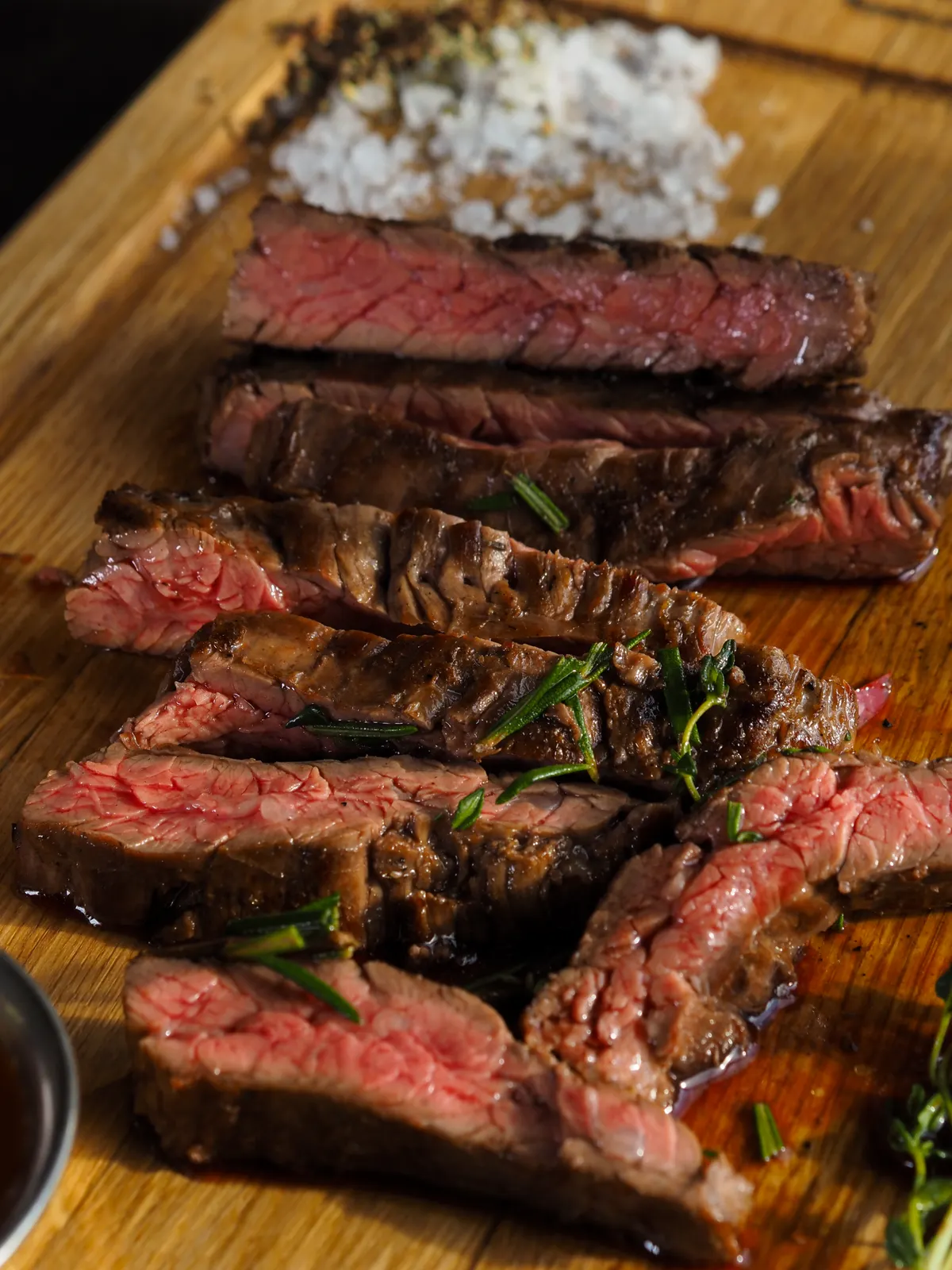
Editorial note: This comparison is researched and independently written for Easy High Protein Recipes. The photographs are real, non-AI stock images from Pexels and Magnific and are illustrative of beef preparation, not certified skirt-versus-flank specimens. The anatomical illustrations are simplified and labeled as schematic; I have not claimed to personally cook or measure the pictured steaks.


2 thoughts on “Skirt Steak vs Flank Steak: 9 Easy Differences to Pick the Best”