
High Protein Foods: 24 Smart Choices for Easy, Delicious Meals (+ Free Chart)
Posted in :

High protein foods don’t have to mean shakes, pricey bars, or another plain chicken dinner. Start with chicken, fish, eggs, Greek yogurt, cottage cheese, tofu, lentils and edamame, then compare the amount of protein in a portion you’d actually eat.
Below, I break down 24 familiar choices with realistic serving sizes, grocery swaps, simple meal ideas and a free one-page shopping chart. The goal is food that fits an ordinary week, not a perfect-looking meal plan.
When I shop for high protein foods, the first thing I check is the serving size. “25 grams of protein” sounds useful until the package says that’s for a portion twice the size I usually put in a bowl. The chart here labels cooked versus uncooked foods, and the numbers are rounded references rather than promises about every brand.
You’ll also find ways to use these ingredients without changing how your entire family eats. A bean bowl, some leftover salmon, a carton of eggs and a tub of plain yogurt can take you much further than a shelf full of specialty products.
Table of Contents
On this page
The short list: what counts as high protein foods?
Fastest weeknight options
Cooked chicken, canned tuna, eggs and ready-to-eat edamame. Minimal prep, familiar flavors.
Easy breakfast staples
Plain Greek yogurt, cottage cheese, eggs and a serving of nuts alongside fruit or toast.
Budget-friendly pantry picks
Dry lentils, canned beans, canned sardines, peanut butter and eggs when they’re on sale.
Great meatless building blocks
Tofu, tempeh, lentils, edamame, beans and dairy if you eat it.
The most practical high protein foods are the ones you like enough to keep buying. For example, lentils bring fiber and kitchen flexibility, while plain yogurt is quick and needs no cooking. A food can be worth choosing even when it isn’t the single highest number on a protein chart.
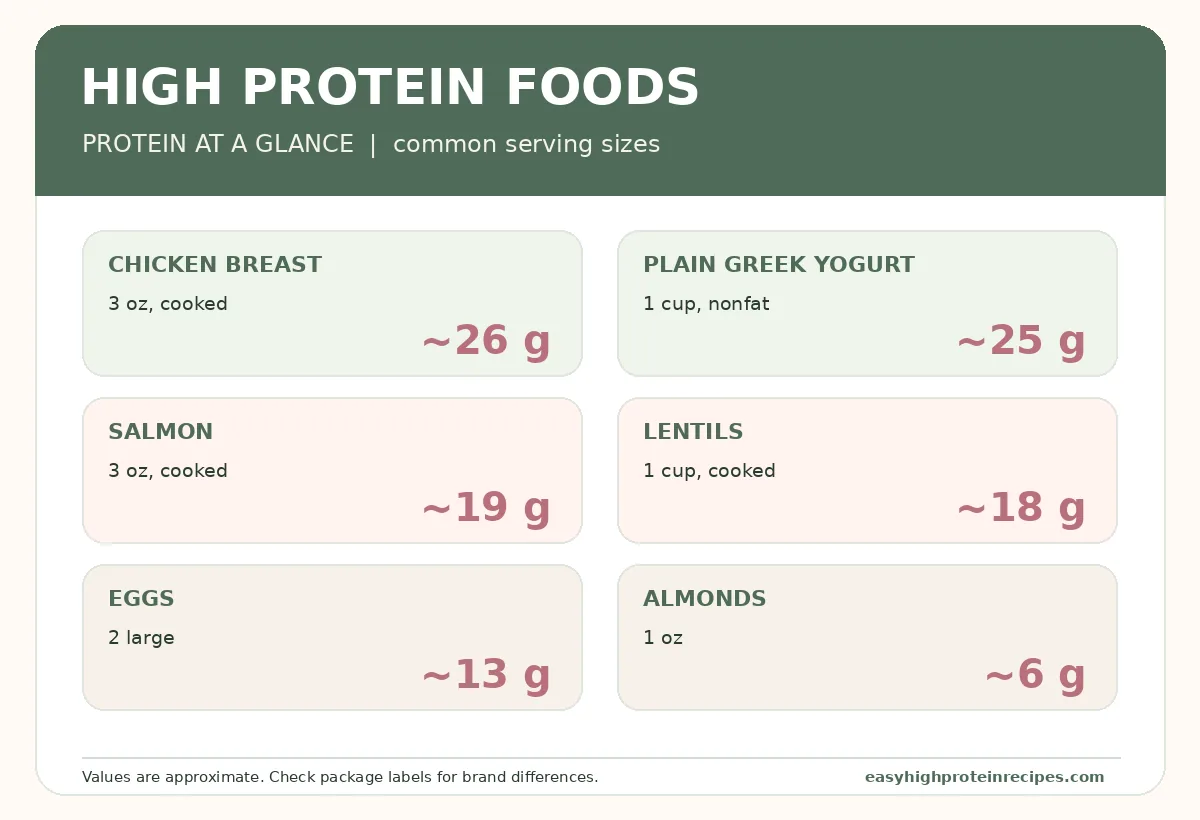
24 high protein foods by everyday serving
Here’s the high protein food list I wish more grocery guides started with: one row per food, a real portion, and an approximate protein figure. These are broad food-composition examples consistent with USDA-style data, not customized nutrition calculations. Different cuts, brands, moisture levels and preparation methods change the result.
| Food | Serving | Approx. protein | Group |
|---|---|---|---|
| Chicken breast, roasted | 3 oz cooked | ~26 g | Poultry |
| Turkey breast, roasted | 3 oz cooked | ~26 g | Poultry |
| Lean beef sirloin | 3 oz cooked | ~25–26 g | Meat |
| Pork tenderloin | 3 oz cooked | ~22 g | Meat |
| Light tuna, canned in water | 3 oz drained | ~22 g | Seafood |
| Salmon | 3 oz cooked | ~19 g | Seafood |
| Shrimp | 3 oz cooked | ~19–20 g | Seafood |
| Sardines | 3 oz canned | ~21 g | Seafood |
| Whole eggs | 2 large | ~13 g | Eggs |
| Egg whites | 4 large | ~14 g | Eggs |
| Plain nonfat Greek yogurt | 1 cup | ~25 g | Dairy |
| Low-fat cottage cheese | ½ cup | ~12 g | Dairy |
| Milk | 1 cup | ~8 g | Dairy |
| Cheddar cheese | 1 oz | ~7 g | Dairy |
| Firm tofu | ½ cup | ~10–22 g* | Soy |
| Tempeh | 3 oz | ~16 g | Soy |
| Edamame | 1 cup cooked | ~18 g | Soy |
| Lentils | 1 cup cooked | ~18 g | Legumes |
| Chickpeas | 1 cup cooked | ~14–15 g | Legumes |
| Black beans | 1 cup cooked | ~15 g | Legumes |
| Peanuts | 1 oz | ~7 g | Nuts |
| Almonds | 1 oz | ~6 g | Nuts |
| Pumpkin seeds | 1 oz | ~8 g | Seeds |
| Quinoa | 1 cup cooked | ~8 g | Grains |
If you’re comparing foods high in protein for your grocery cart, resist lining up “one cup” of lentils against “three ounces” of chicken as though those were identical portions. They’re different foods with different water, fiber and fat content. The numbers answer “what does this serving contribute?” rather than “which food is always better?”
Easy meat, fish and dairy choices
Chicken, turkey and lean meat: the freezer-friendly basics
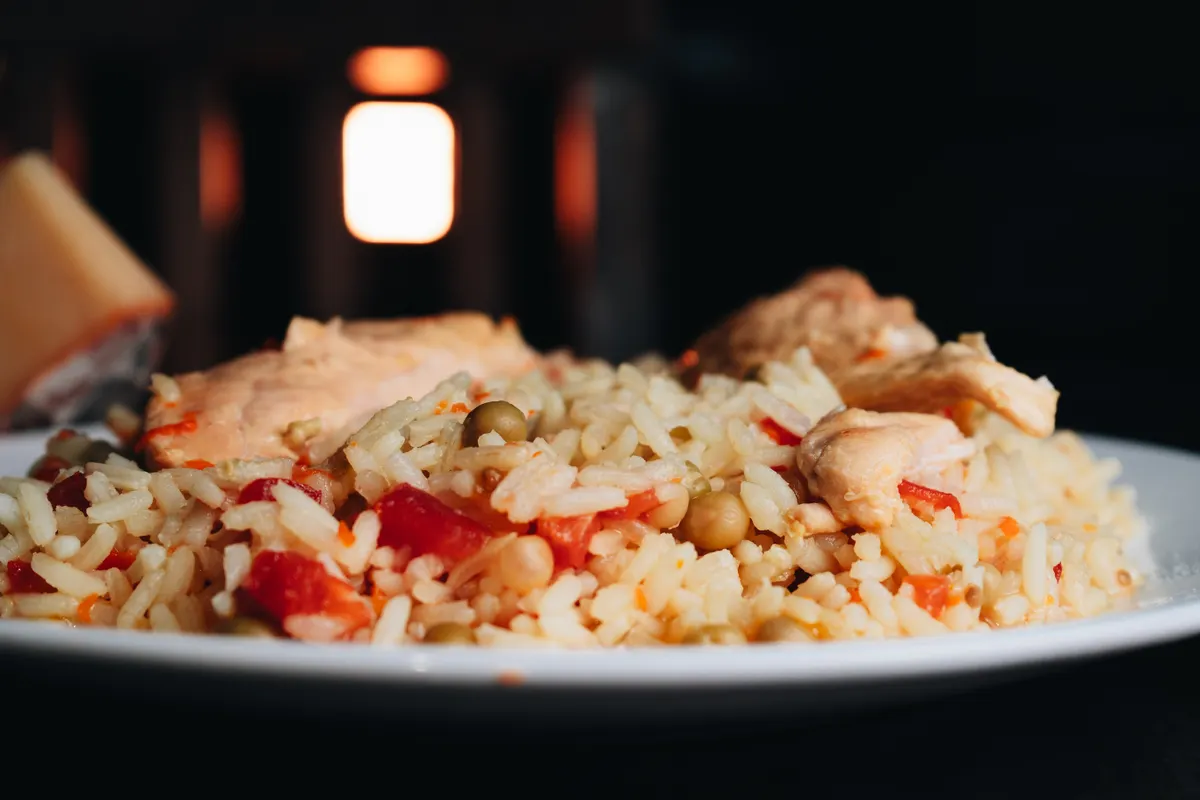
A cooked three-ounce piece of chicken breast is a compact way to build a meal, but I wouldn’t make it the only option. Turkey breast can stand in for chicken in bowls and sandwiches, and a small portion of cooked lean beef or pork can change the whole flavor of a week of leftovers. The most flexible high protein foods don’t demand a new recipe each time.
For a sheet-pan dinner, I season poultry with paprika, garlic and a little oil, then serve it with whatever vegetables need using up. For leftovers, chopped chicken works in a rice bowl or a salad. If you want a ready-made lunch plan, try these easy meal-prep chicken boxes. The link leads to an actual recipe on this site.
Fish and seafood: more than salmon
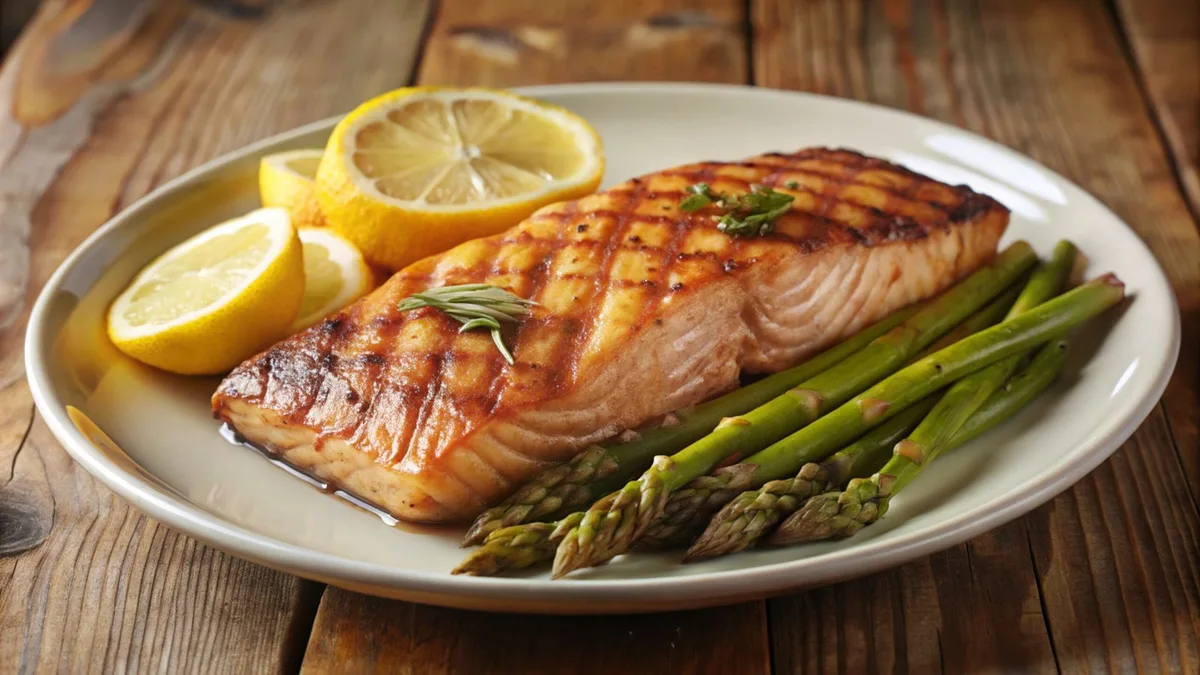
Canned tuna, sardines and shrimp are useful high protein foods when there’s no time to thaw a large cut of meat. Tuna makes a simple sandwich filling; canned sardines are good over toast with lemon; shrimp cooks quickly and pairs well with frozen vegetables. Salmon is a favorite for a warm dinner, though fish portions and species vary in protein.
One thing I look at with canned fish is sodium and the liquid it’s packed in. I also keep food safety separate from nutrition: follow storage and cooking guidance for the particular seafood, and don’t treat a protein number as a safety guarantee. For a weeknight option, this one-pan honey garlic salmon is already in our recipe archive.
Greek yogurt, cottage cheese and eggs
Plain Greek yogurt is the grocery item I find easiest to work into breakfast. A cup can carry substantial protein, and it can go sweet with berries or savory as a sauce base. I check the label because “Greek-style” products don’t always match plain strained Greek yogurt. Cottage cheese is similarly convenient, especially on toast or beside sliced tomatoes.
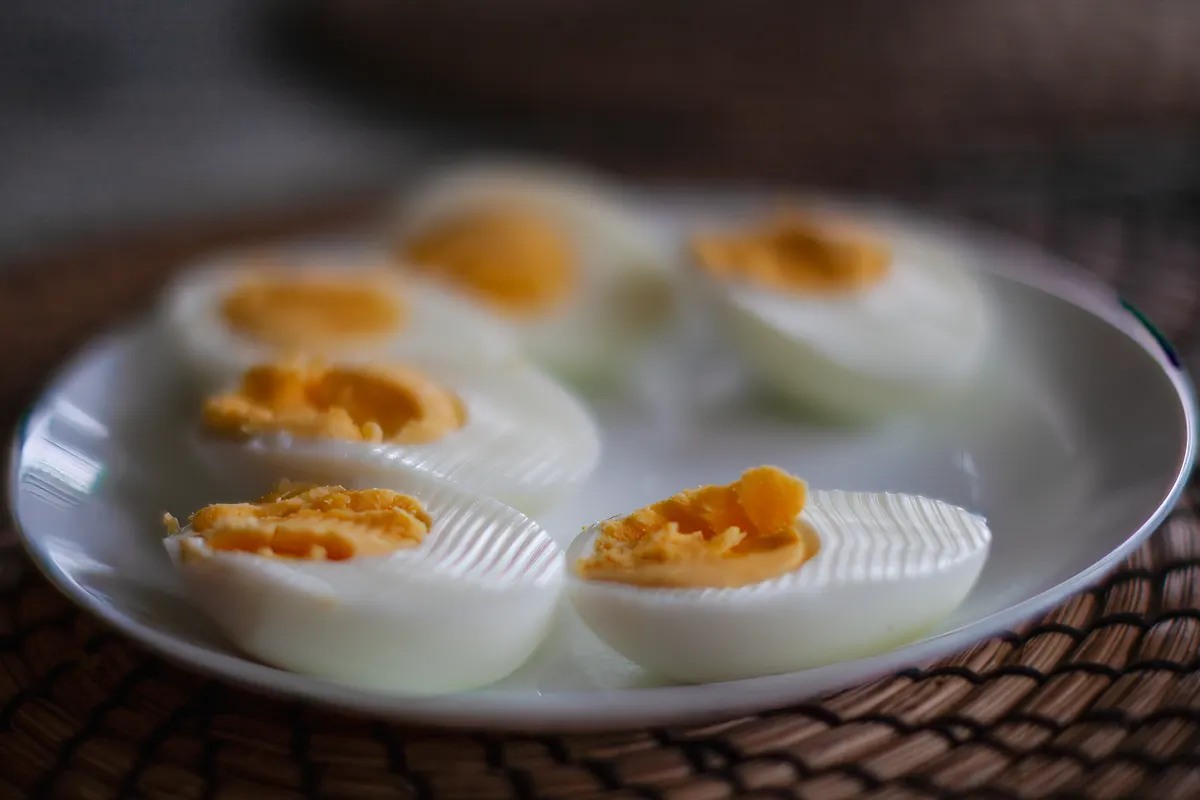
Eggs are versatile, but they’re not 25 grams each. Two large whole eggs provide about 13 grams together. That’s still useful, and egg whites can add more to a scramble if that’s a texture you enjoy. A piece of fruit or toast can make the meal more satisfying without pretending the entire plate has to be protein.


Plant-based high protein foods worth keeping around
Tofu and tempeh: check the package, then cook for texture
Firm tofu can be a terrific ingredient, but its exact protein value varies more than many viral charts imply. Some varieties are much denser than others. Rather than repeat one universal number for tofu, I compare the Nutrition Facts panel of the actual package and choose a block that suits the recipe. For a quick dinner, I dry the tofu, cut it into cubes and roast or pan-sear until the edges turn golden.
Tempeh has a firmer, chewier bite and works well in small pieces in a skillet. Edamame can go straight into a rice bowl or salad. Those three are reliable ways to make meatless meals feel complete, not just a plate of vegetables with a garnish. They’re useful high protein foods for anyone who enjoys soy ingredients.

Lentils, beans and the practical pantry advantage
Dry lentils are one of my favorite grocery shortcuts because a bag sits in the pantry and turns into soup, salad or a quick side. A cup of cooked lentils supplies roughly 18 grams of protein plus fiber, and chickpeas or black beans work well in the same family of meals. A canned version is convenient; draining and rinsing it may help when you prefer a less salty result.
For high protein foods on a tighter grocery budget, start by comparing dry lentils and beans per usable cooked portion, not by the weight of the uncooked package alone. I like keeping a cooked batch in the freezer in flat portions so it can go into tomato sauce, grain bowls or a simple vegetable soup.
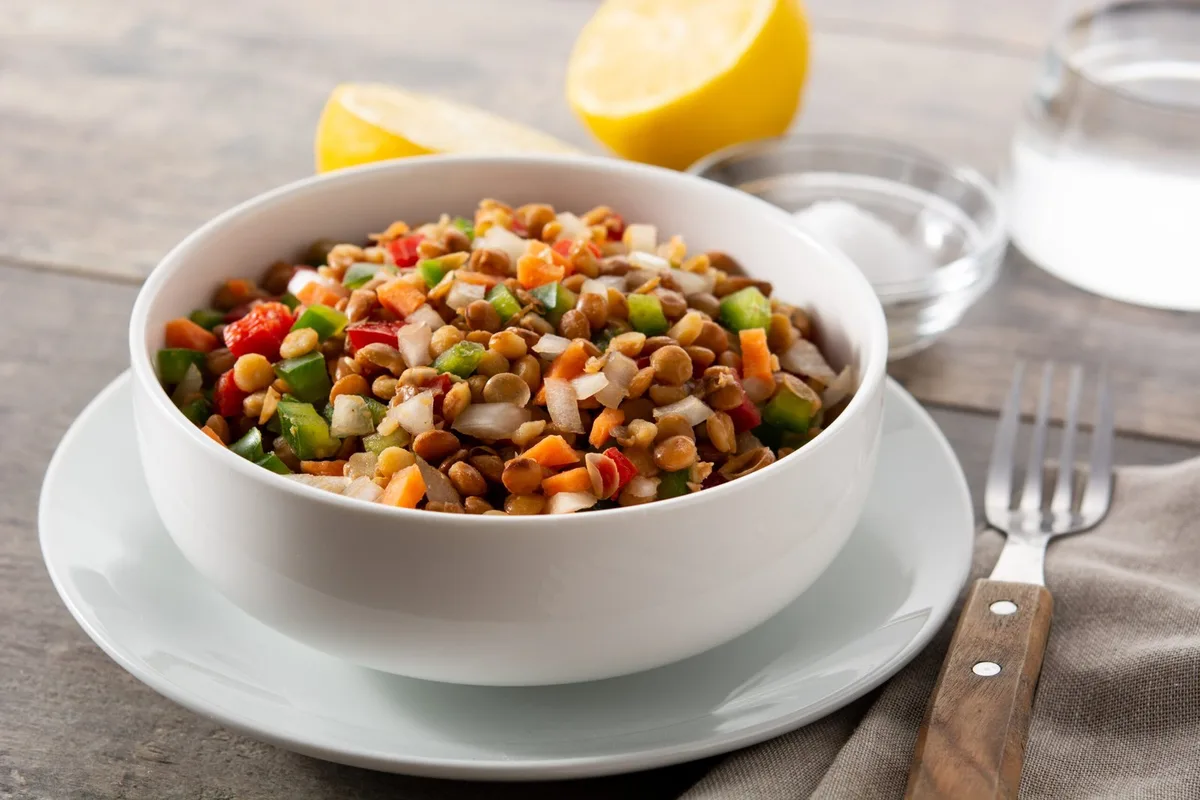
Nuts, seeds and whole grains: helpful additions, not magic tricks
Almonds, peanuts and pumpkin seeds are great for crunch, and they contribute protein, but a small handful isn’t nutritionally equivalent to a full serving of chicken or a cup of yogurt. Nuts also bring fats and calories, which is part of their food package. I use them to finish a meal or make a snack more interesting rather than relying on them as the only protein choice.
Quinoa adds some protein to a bowl, but I treat it primarily as a grain base. A lentil-quinoa combination, for example, gives you a mix of textures and food groups. When someone asks me for high protein foods with no meat, beans and soy usually deserve more space on the shopping list than a fancy bag of “protein grains.”

How to shop for high protein foods without the hype
Packaging can make a snack look like a protein superstar even if its listed serving is tiny. The FDA’s serving-size guidance is straightforward: the Nutrition Facts figures are tied to the serving shown on the package. If the container holds two servings, eating the whole thing isn’t the amount shown for one.
If your shopping search is for high protein low calorie foods, compare the calories and protein for the same serving size. Skinless chicken breast, shrimp and plain nonfat Greek yogurt can be useful starting points, but cooking oil, sauces and brand differences change the final numbers. The best high protein foods still need to fit the rest of your meal.
- Compare equal portions. Don’t compare protein per 100 grams on one label with protein per package on another.
- Choose plain when it makes sense. Plain yogurt lets you add your own fruit; a flavored version may have different protein and sugar amounts.
- Consider the entire food. Fiber, sodium, saturated fat, convenience, taste and price all matter alongside grams of protein.
- Shop the freezer and pantry. Frozen fish, edamame, canned tuna and dry beans can be easier to keep on hand than delicate fresh ingredients.
- Look for repeatable meals. If you won’t eat it next Tuesday, a promotional “high protein” claim isn’t worth much.
Harvard’s Nutrition Source explains the “protein package”: foods bring different combinations of fat, fiber, sodium and other nutrients. That’s why my high protein food list mixes animal and plant foods instead of giving everything a simple winner-or-loser rank.
Easy ways to turn protein-rich foods into meals
You don’t need a separate “protein menu” for every person at the table. I start with an ingredient, add something colorful, and pick one starch or grain that works with the cooking method. Here are six simple combinations using the high protein foods in this guide.
1. Breakfast bowl
Plain Greek yogurt, berries and a sprinkle of nuts. Keep the granola crunchy until serving.
2. Freezer-friendly lunch
Cooked chicken, brown rice and broccoli with a lemony sauce packed separately.
3. Meatless skillet
Golden tofu cubes, frozen peppers, spinach and rice, finished with a little soy sauce.
4. Five-minute pantry plate
Drain a can of tuna, add crackers, chopped vegetables and a quick yogurt dip.
5. Lentil soup night
Simmer cooked lentils with tomato, carrots, onion and broth; serve with bread.
6. Simple egg supper
Scrambled eggs, sautéed vegetables and toast, with a side of fruit if you like.
For batch cooking, I focus on ingredients that hold their texture. Chicken bowls, lentils and roasted tofu are useful to prep ahead, while yogurt bowls and eggs are quick to make closer to serving. Proper refrigeration matters: the USDA advises using most cooked refrigerated leftovers within 3 to 4 days and cooling promptly.
If you want a full meal-planning starting point, pair this guide with easy breakfast meal prep or high protein low carb meals. Those articles focus on completed meals; this one helps you choose the ingredients before you cook.
Find high protein foods for the way you cook
This quick food finder isn’t a nutrition prescription. It simply suggests a few everyday ingredients based on your preference and how much cooking you’re willing to do. It doesn’t store, send or track any answer.
Your everyday protein picks
Download the free high protein foods grocery chart
I’ve put the everyday serving examples, a simple grocery checklist and a three-part meal formula onto one US Letter page. Save it to your phone or print it before your next grocery trip. The printable is a reference tool, not a personalized target or meal prescription.
FREE US LETTER PRINTABLE
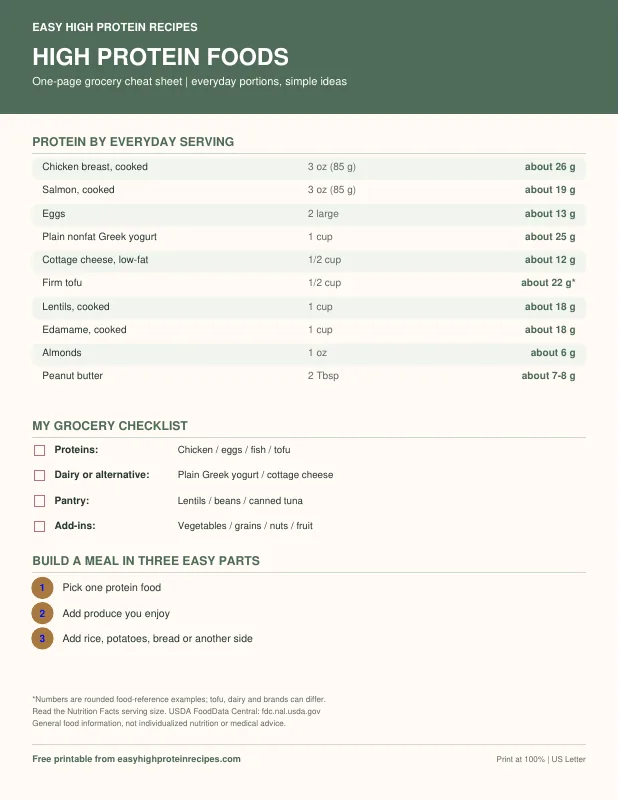
Download the Free Protein Grocery Chart (PDF)
One page • US Letter • free to print
Three high protein foods mistakes I would skip
Mistake 1: using numbers for the wrong portion
A raw chicken weight isn’t directly interchangeable with the same weight of roasted chicken; cooking changes water content. The same problem shows up when one chart uses a cup of yogurt and another uses a small pot. With high protein foods, write down whether the figure is per cup, per three ounces, per 100 grams or per package. That one habit makes comparisons clearer.
Mistake 2: thinking the biggest protein number is always the best food
Nuts are nutritious and satisfying, but they’re more concentrated in fat than skinless chicken. Beans provide fiber. Fish can bring different fats than red meat. That’s not a reason to avoid any whole category. It means I choose based on the meal I need, the other nutrients on the plate and the price I can actually pay.
Mistake 3: buying specialty products before ordinary groceries
A premium “protein cookie” isn’t automatically more helpful than yogurt, eggs or lentils. Before buying a new product, I ask whether it saves meaningful prep time, tastes good and fits the budget. Often the best high protein foods are ordinary ingredients already sold at every supermarket.
High protein foods: frequently asked questions
What foods are high in protein?
Chicken breast, turkey, fish, eggs, plain Greek yogurt, cottage cheese, tofu, tempeh, cooked lentils and edamame are all useful choices. A serving-size chart is more helpful than a food name alone.
What are high protein foods if I don’t eat meat?
Try tofu, tempeh, edamame, lentils, beans, nuts and seeds. If you eat eggs or dairy, those can be additional options. Varying your ingredients also varies the other nutrients on your plate.
Which high protein foods work for breakfast?
Plain Greek yogurt with berries, cottage cheese on toast, an egg scramble or tofu scramble are uncomplicated starting points. The amount of protein depends on the portions you use.
Are lentils and beans considered high protein foods?
They can contribute meaningful protein in normal servings and also bring fiber. One cup of cooked lentils has roughly 18 grams in common reference data, while the exact amount varies with the food and how it is prepared.
Do I need protein powder to eat enough protein?
Not necessarily. Many everyday meals can include protein from food sources. Whether a supplement is appropriate for a specific person is a separate personal-health question; this shopping guide doesn’t make that recommendation.
How can I tell whether packaged food is really high in protein?
Read its Nutrition Facts panel, especially the serving size and protein grams. Compare similar serving sizes and look at other ingredients and nutrients, rather than relying only on front-of-package claims.
More protein-rich meals from our kitchen
Use this page as the ingredient index and the recipes as your next step. That way high protein foods become familiar breakfasts, lunches and dinners instead of a long list you never cook from.
Sources and editorial note
For food composition references and label-reading guidance, I consulted USDA FoodData Central, the FDA Nutrition Facts label guide, Cleveland Clinic’s food list, Harvard’s protein overview, and USDA food-storage guidance. Photos are licensed stock from Pexels and Magnific Stock; infographic and printable were created for this website.

2 thoughts on “High Protein Foods: 24 Smart Choices for Easy, Delicious Meals (+ Free Chart)”