

Salmon patty recipe doesn’t have to mean dry, crumbly fish cakes. For six crisp-edged patties, drain a 14.75-ounce can of salmon, mix the flakes with an egg, panko, Greek yogurt, green onion and lemon, then shape and pan-sear gently. The little details that change the result are the moisture in the canned fish, a five-minute rest for the crumbs, and leaving each patty alone until its first side holds together.
This is the kind of pantry dinner I would turn to when I don’t want to deal with fresh fish shopping. It’s practical, not fancy: ingredients you can recognize, a skillet, and a simple plan for the moment the mixture looks too loose. I’ve included oven and air-fryer options, but the skillet method is the main recipe. Those appliance timings are estimates; check the center with a thermometer.
On This Page
Salmon Patty Recipe: Quick Answer
A good salmon patty recipe has two jobs: get dinner onto a plate and keep the salmon tasting like salmon. One large can makes six medium patties when I use half a cup of panko and one egg. Plain Greek yogurt softens the crumb and lemon keeps the canned fish tasting bright rather than heavy.
If you’ve only ever made salmon cakes using crushed saltines, this recipe will still feel familiar. The difference is a bit of Greek yogurt, which keeps the binder from feeling chalky, and a smaller amount of chopped onion, so no large pieces poke through the patties. There is no need for a food processor.
Why This Canned Salmon Method Works
Canned salmon is already cooked, which makes this salmon patty recipe a convenient starting point. But “already cooked” doesn’t mean you can skip cooking the finished patties: the recipe adds raw egg, and the center still needs to reach an appropriate safe temperature. I use the FDA and FoodSafety.gov egg-dish benchmark of 160°F (71°C) here.
I want the fish to remain flaky. Stirring until you have a uniform paste makes the finished patty feel closer to a dense fish burger. Light mixing leaves small, visible pieces of salmon, while egg and hydrated panko form a gentle framework around them.
Both pink and red canned salmon work. Red salmon can be more expensive and stronger tasting; pink is usually an easy pantry choice. You don’t have to pay extra for the recipe to hold together. If the can contains a lot of liquid, draining matters more than the species name on the label.
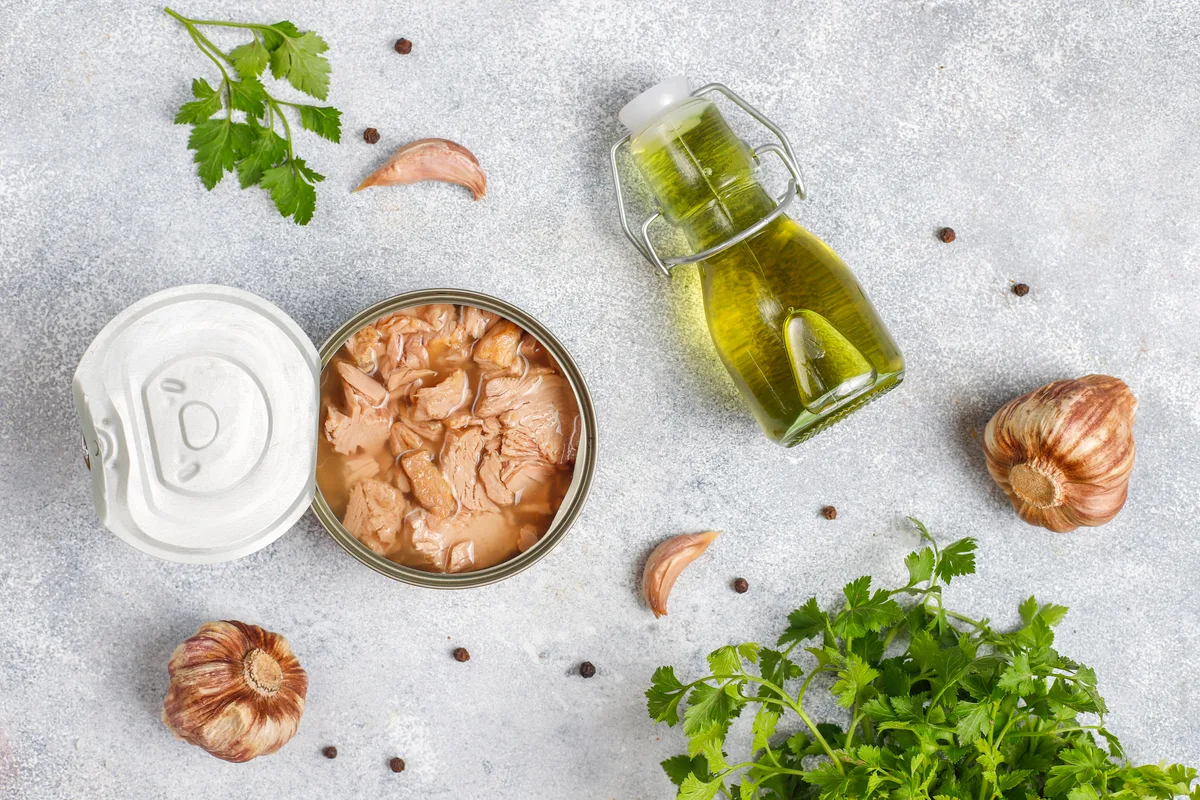
Not all canned salmon comes in a 14.75-ounce can. Some brands use smaller cans, so the label matters. The batch planner farther down this page uses the full-can proportions; if your package is 5 or 6 ounces, use multiple cans to reach the approximate drained quantity, then judge the mixture before adding more binder.
Salmon Patty Recipe Ingredients
For the basic salmon patty recipe, set out everything before you open the can. This helps because the mixture shouldn’t sit for ages while you chop an onion. You can get the pan warming while the panko absorbs moisture.
- 1 can salmon (14.75 oz): drain thoroughly; flake into bite-size pieces.
- 1 large egg: lightly beaten, to bind the fish and crumbs.
- 1/2 cup panko breadcrumbs: a lighter binder than flour, with room to add more if the mixture is unusually wet.
- 1/4 cup plain Greek yogurt: adds moisture without a heavy, oily filling.
- 2 tablespoons finely sliced green onions: mild flavor and small pieces that don’t split the patties.
- 1 tablespoon lemon juice, 1 teaspoon Dijon, 1 tablespoon fresh dill: a fresh, savory balance.
- 1/2 teaspoon garlic powder and 1/4 teaspoon black pepper: simple pantry seasoning.
- 2 tablespoons olive oil: for cooking the patties in batches in a skillet.
Which canned salmon works in a salmon patty recipe?
The can should say salmon, with its net weight clearly listed. Choose a product you like eating, and check its sodium if you’re seasoning to taste. I don’t add extra salt to the baseline mix because canned salmon varies considerably; taste and adjust only once the patties have cooked safely.
What about canned salmon skin and bones?
A can may include soft, edible bones and skin. You can remove the skin and any noticeable bones if you prefer a smoother mixture. If you leave the soft bones, mash them very thoroughly so there are no firm, surprising pieces in a bite. Don’t use any packaging that looks damaged, bulging or improperly sealed.
The full ingredient amounts also appear in the WP Recipe Maker card below, so you can print the actual cooking recipe without digging through the explanation. When using a different size can, look at the finished mixture before changing every ingredient mathematically.
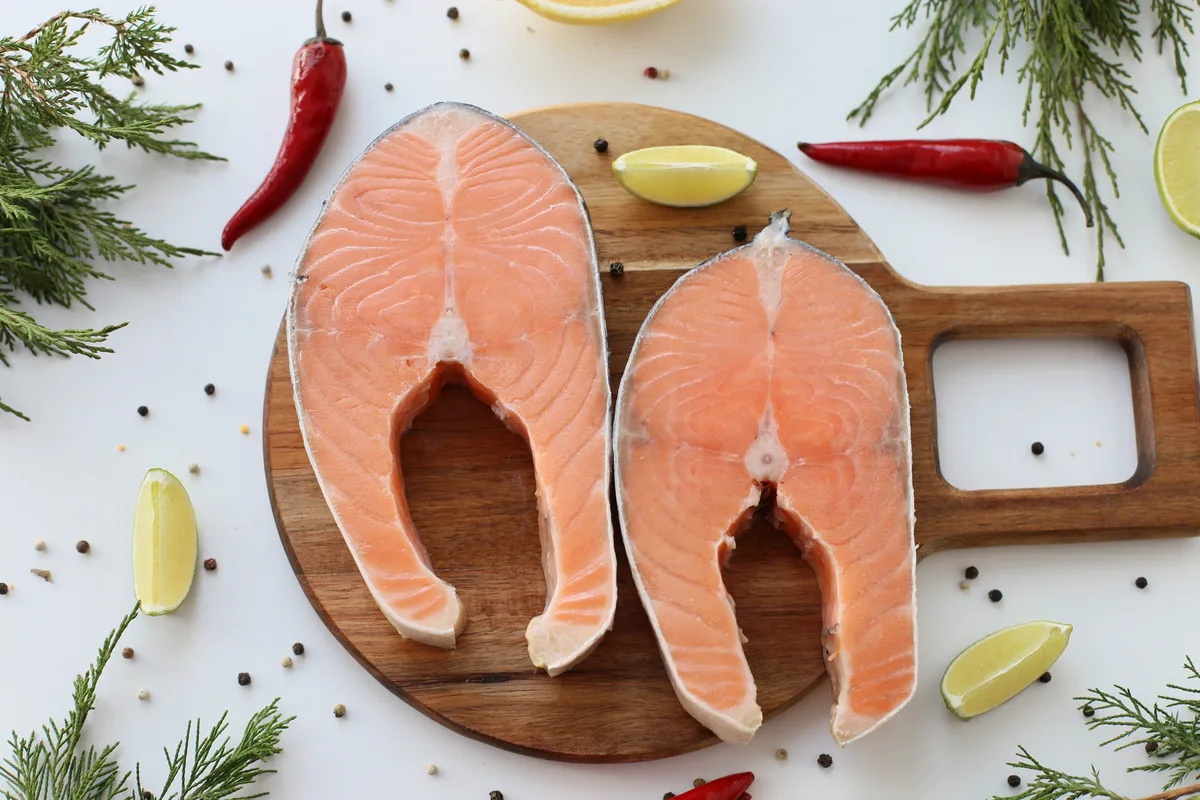
How to Make Salmon Patties in 6 Practical Steps
Here’s the six-step process behind this salmon patty recipe. The cooking times are starting estimates for roughly 3-inch patties about three-quarters of an inch thick. A thinner patty will cook faster than a thick one, even when both weigh about the same.
Step 1: Drain, blot, and flake
Tip the salmon into a fine-mesh sieve and give the liquid time to drain. Then lightly press or blot the fish before breaking it into small, uneven flakes. Excess liquid is the usual reason the patties spread in the pan. A few larger flakes are welcome; a puddle at the bottom of the bowl isn’t.
Step 2: Stir the binder before overmixing
Beat the egg in a small bowl, then fold it through the salmon with the panko, yogurt, green onion, lemon, Dijon, dill, garlic and pepper. Mix until no isolated pocket of dry crumbs remains. I would stop there rather than repeatedly mashing the mixture with the back of a spoon.
Step 3: Let the crumbs do their job
Give the mixture five minutes. This isn’t about developing dough; it simply lets the panko absorb some moisture. Pinch a small amount together. If it holds its shape without dripping, it’s ready. If it slumps into a sticky puddle, see the fix chart below before moving on.
Step 4: Shape six matching patties
Divide into six portions with a large spoon, then gently press each into a compact circle. Aim for a similar thickness rather than a perfect shape. Push loose edges back toward the center, and set the patties on a plate. If the mixture is too delicate to lift cleanly, chill it for 10 minutes before cooking.
Step 5: Sear with a patient first flip
Warm a sturdy nonstick or well-seasoned pan over medium heat, add enough olive oil to lightly coat the surface, and cook in batches. A loose patty is easiest to turn with a wide thin spatula. Let the first side develop a real crust before lifting it; fussing with it every 30 seconds encourages breakage. For this size, allow roughly four to five minutes a side, then check the center.
Step 6: Check temperature and serve
Because this salmon patty recipe includes raw egg, I aim for 160°F (71°C) in the middle of the thickest patty, following the official egg-dish benchmark. The general fin-fish minimum is 145°F (63°C), but the egg changes my choice for this mixed recipe. Slide a thin thermometer sideways into the center when needed, and don’t judge doneness by browned edges alone.
Serve while the outside is still crisp. I would put lemon wedges and a yogurt-dill dip on the table rather than burying everything in sauce ahead of time. That lets each person decide how tangy they want their salmon cakes. For another simple seafood dinner, try one-pan honey garlic salmon and veggies.
How to Keep Salmon Patties from Falling Apart
A salmon patty recipe can fail in three completely different ways: too wet, too dry, or flipped before the crust sets. They look similar when the patty falls apart, but adding more breadcrumbs won’t fix every problem.
| What you see | Likely cause | What I’d change |
|---|---|---|
| Mixture spreads before cooking | Excess liquid in salmon | Drain and blot, then add panko one tablespoon at a time. |
| Dry cracks while shaping | Binder too dry or too much panko | Add plain yogurt one teaspoon at a time. |
| Patties break when turned | Crust hasn’t formed | Leave the first side alone longer and use a wide spatula. |
| Dark outside, cool center | Pan too hot | Reduce heat and check the center with a thermometer. |
| Rubbery and compact | Too much mixing or overcooking | Fold only until combined; use temperature, not guesswork. |
Salmon patty recipe fix: wet mixture vs dry mixture
My first correction for a wet mixture is not an extra egg. Another egg adds more liquid, so it can make the problem worse before it helps. Drain first, then add a little panko and let the mix sit again. For a dry, chalky bowl, the solution goes the other way: just a small spoonful of yogurt, not a large splash of water.
If a patty falls apart while you’re transferring it, don’t cram loose bits into an already crowded pan. Scoop the mixture back onto a plate, correct the texture, reshape gently and cook a little more patiently. A batch doesn’t have to be picture-perfect to make a satisfying dinner.
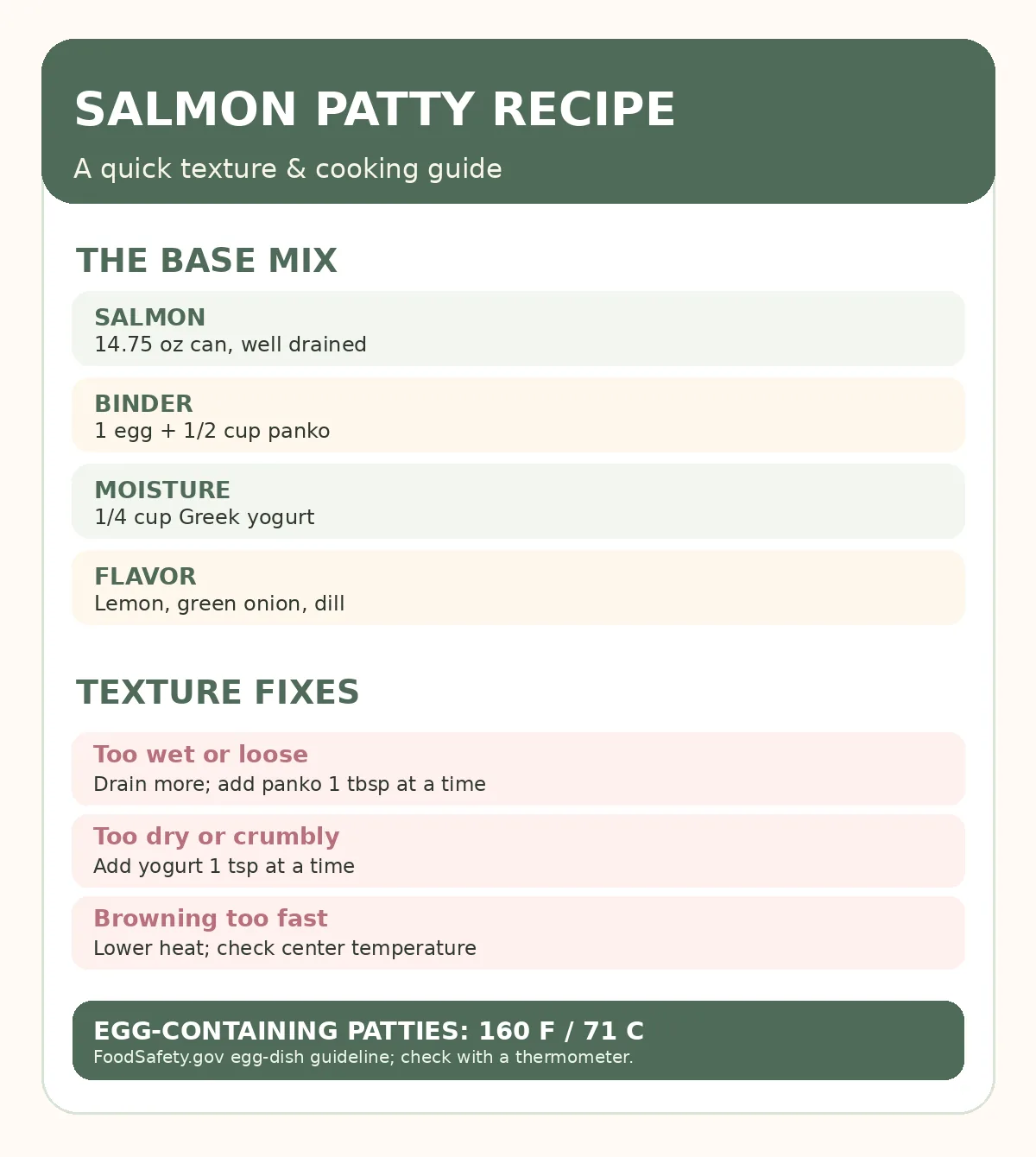
The infographic shows exactly what to adjust. You can save it for your next cooking session, and the printable near the bottom has checkboxes for groceries, cooking notes and texture fixes.
Skillet, Oven, or Air Fryer: What Changes?
Skillet cooking is the main salmon patty recipe method because it gives direct contact with hot oil and usually a more satisfying crust. The oven and air fryer are convenient options, but I wouldn’t pretend their results are identical. Different air-fryer baskets, ovens and patty thicknesses need different timing.
| Method | Starting setup | Trade-off |
|---|---|---|
| Skillet | Medium heat; light oil; roughly 4–5 minutes per side | Best browned crust; needs a careful flip |
| Oven | 400°F; parchment-lined sheet; start checking around 12–16 minutes | Less hands-on, usually paler crust |
| Air fryer | 375°F; lightly oiled basket; start checking around 9–12 minutes | Fast circulation, but small baskets require batches |
Times are equipment-dependent estimates, not verified appliance tests or proof of safety. For these egg-bound patties, measure a 160°F (71°C) center.
Oven instructions
Preheat the oven to 400°F, set the shaped patties on a lined baking sheet and brush or mist the tops lightly with oil. Leave a little space between each cake, and check with a thermometer during the latter part of cooking. If the oven method looks pale at the safe internal temperature, use a little more color from a brief, careful finish, watching closely rather than guessing a fixed time.
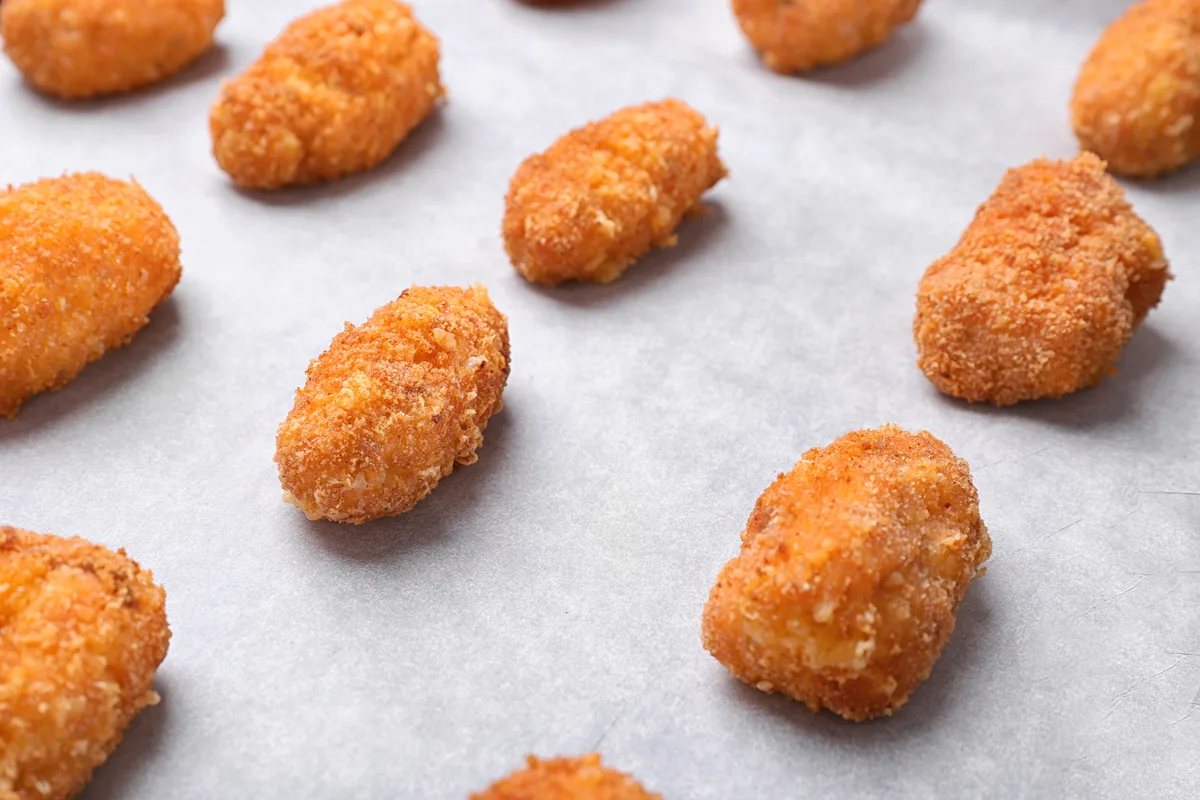
Air fryer instructions
Preheat to 375°F if your air fryer model calls for it. Arrange patties in a single layer, lightly oil their surfaces and don’t stack them. Start checking after about nine minutes and turn only if they feel sturdy enough. A small air fryer may need two or three batches. The salmon patty recipe quantities don’t change; the basket capacity and timing do.
If the patty is still soft or under temperature, put it back and measure again. Canned salmon’s already-cooked status isn’t a shortcut around the raw egg in the mixture. I’ve intentionally avoided promising that an exact minute count works in every appliance.
Old-Fashioned Salmon Patties vs This Version
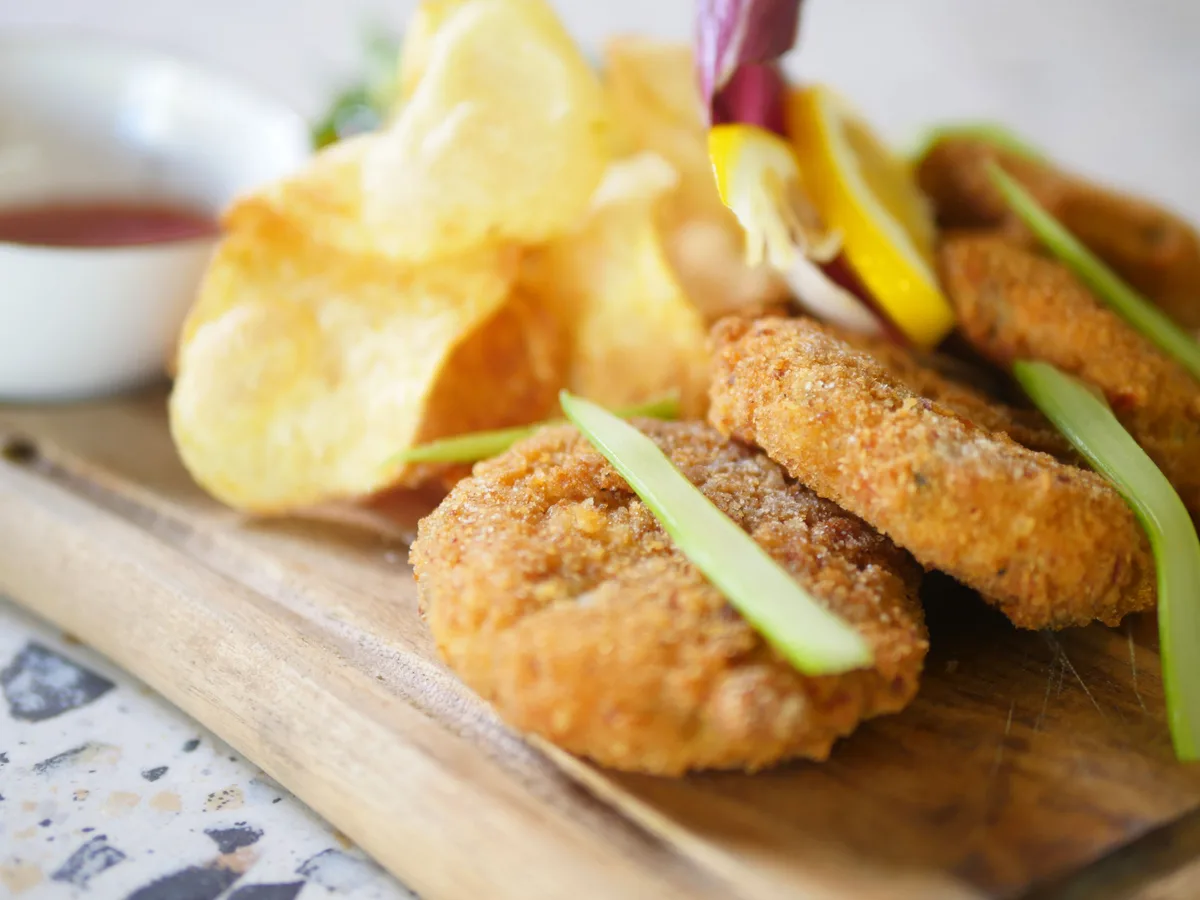
Old-fashioned Southern salmon patties often use canned salmon, egg, crushed crackers or cornmeal, a little onion, and a shallow skillet of oil. Some families form smaller, thinner cakes; others like the outside especially crunchy. That home-style approach is worth respecting, not replacing with a list of trendy ingredients.
This salmon patty recipe keeps the same canned-salmon foundation but swaps in panko for a lighter crumb and adds plain Greek yogurt for tenderness. The lemon and dill aren’t a strict rule. If you grew up with simple onion-and-pepper patties, leaving out the dill will move the flavor closer to those versions.
If you want a more traditional crust, replace some panko with crushed saltines, but remember that crackers bring their own salt. I wouldn’t add cheese, extra herbs and strong hot sauce all at once; you may lose the clean fish flavor that makes this dish work.
Easy Substitutions and Allergen Notes
I wrote the salmon patty recipe around easy-to-find supermarket ingredients, but there are sensible substitutions if you don’t have every item. Treat binders as structural ingredients, though, not just flavor swaps. Replacing egg, panko or yogurt changes moisture balance, so the fix chart matters.
- Cooked fresh salmon: cool it, flake it and use roughly the same cooked fish amount after removing skin and bones; you may need less binder if it is dry.
- Crushed saltines: replace panko by volume as a first attempt, then add more only if the mixture needs it. Watch salt.
- Regular breadcrumbs: workable, but finer crumbs can make a denser cake. Add gradually.
- Plain dairy-free yogurt: possible flavor alternative, but texture and thickness differ among brands.
- No egg: the binder changes significantly; use a separately developed egg-free formula rather than assuming the same cooking and texture.
- Gluten-free crumbs: choose a certified gluten-free product and check all labels if you are serving someone with a diagnosed allergy or intolerance.
Fish, egg, dairy and wheat are all present in the baseline recipe. If you’re preparing dinner for someone who must avoid one of them, label checks and cross-contact prevention matter more than a casual “just leave it out” suggestion. Check the FDA’s safe food-handling guidance for proper kitchen hygiene.
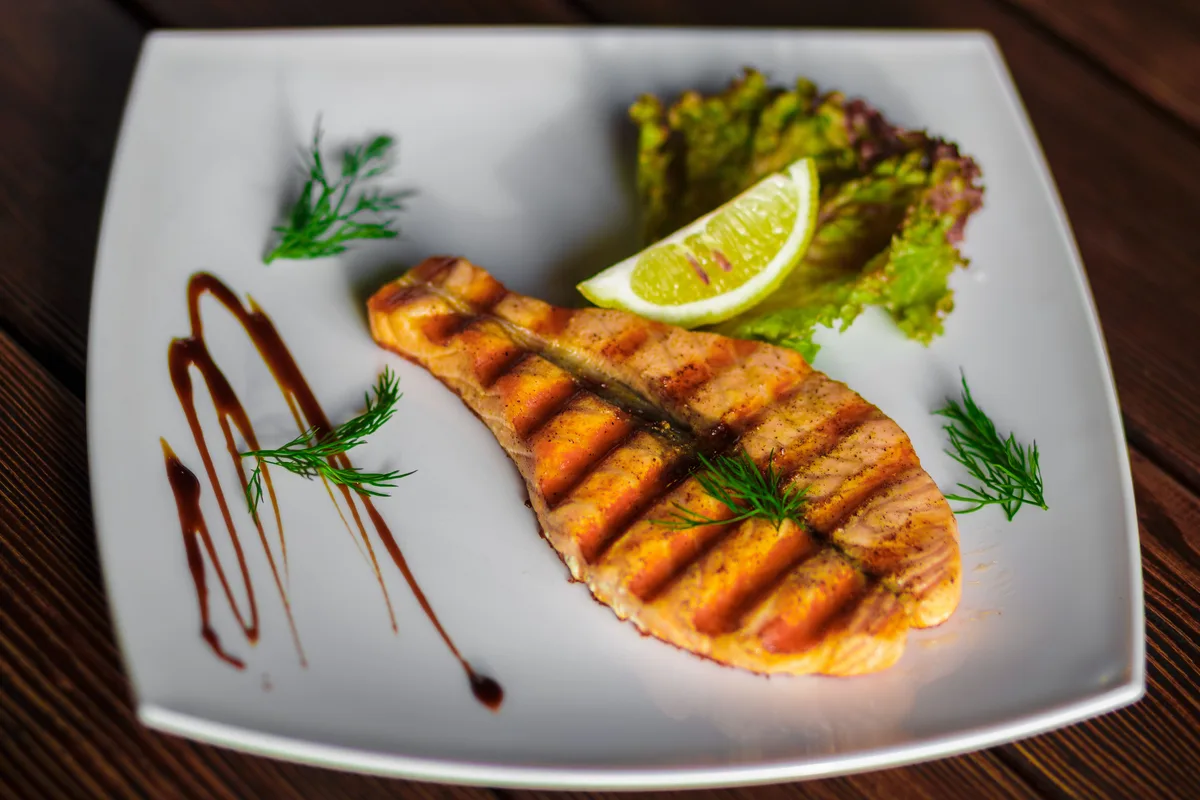
For families who like a salmon dinner that doesn’t involve patties, our one-pan salmon and vegetables has a different texture and preparation. A fresh fillet can be delicious on its own; it isn’t automatically the better source for these cakes.

Sauces and Side Dishes That Actually Fit
A crisp salmon cake benefits from something cool and a little acidity. I’d build the plate around the texture rather than add three creamy sides. A spoonful of tart yogurt sauce, lemon and one warm vegetable can be enough.
Three easy combinations
- Weeknight plate: two patties, roasted broccoli, a scoop of rice and lemon-dill yogurt.
- Lunch bowl: one or two patties on chopped greens with cucumber, pickles and a simple mustard vinaigrette.
- Sandwich: a patty in a toasted bun with shredded lettuce, tomato and a thin layer of tangy yogurt sauce.
A salmon patty recipe gives you a protein centerpiece without requiring a complicated side. If rice bowls are a family favorite, take inspiration from our high-protein garlic chicken rice bowl for vegetables and make-ahead organization. I would keep the sauce in a separate container until serving.

Make-Ahead, Freezing, and Food Safety
You can mix the salmon patty recipe ingredients in advance, but I would keep uncooked egg-bound mixture refrigerated and cook it promptly rather than store a bowl for days. A shallow covered container is safer than leaving the mixture on a kitchen counter while you’re preparing other dishes.
How long do cooked salmon patties last?
The USDA recommends refrigerating cooked leftovers promptly, within two hours, and using them within three to four days. Reheat leftovers to 165°F (74°C). For best texture, I would rewarm gently in a skillet or air fryer rather than microwave them until they are dry. The safe temperature still matters whichever method you use.
Can you freeze salmon patties?
Yes, I would cool cooked patties promptly, put parchment between layers, seal in freezer-safe containers and label the date. Freezing slows quality loss, but it doesn’t make poor food handling safe. Thaw in the refrigerator, not on the counter, and reheat to 165°F. The FDA advises keeping perishable food out of the temperature danger zone as much as practical.
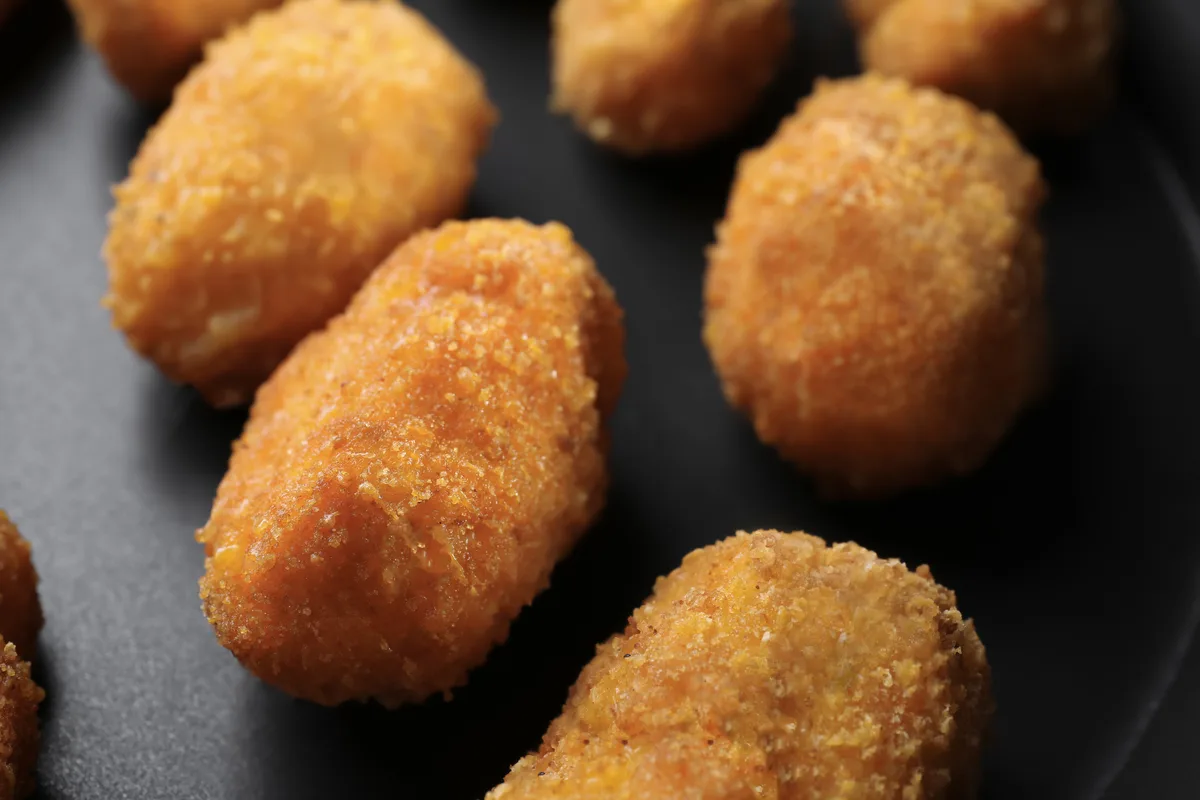
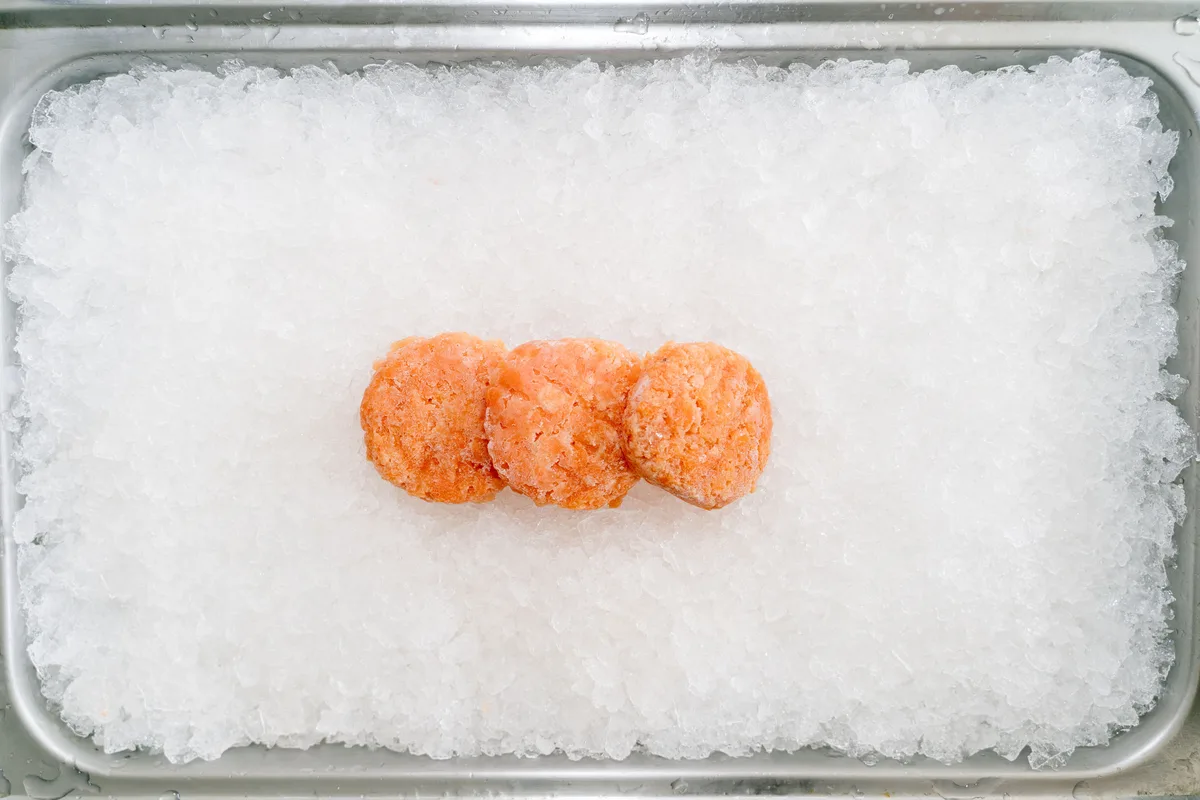
Commercial frozen salmon burger patties are often thicker and may be formulated differently. The photo below shows that product category, not a frozen batch of our homemade recipe, so don’t copy a package instruction from it without checking what you actually purchased.
Interactive Salmon Patty Recipe Batch Planner
This little salmon patty recipe calculator is useful when you’re feeding more people than usual. It scales the original six-patty ingredient list to full-can batches for 6, 12, 18 or 24 patties. Choosing a cooking method also changes the preparation reminder, but doesn’t pretend to calculate a guaranteed cooking time.
Runs only in your browser. Nothing is stored or sent. Temperatures are measured with a thermometer, never predicted by the tool.
I deliberately use full cans and whole eggs in these presets. That makes the shopping list more useful than a calculator that asks you to buy 1.33 eggs. As you scale up, you’ll still need to cook in batches, and the total elapsed time may grow.
For a family trying to organize a few meals ahead, the weekly chicken meal-prep boxes article shows another way to pack lunches efficiently. I’d keep salmon patties and cold vegetables in separate compartments when possible.
Free Salmon Patty Recipe Printable Checklist
The free salmon patty recipe printable is a one-page US Letter checklist. It has the exact shopping amounts for six patties, the six practical steps, a troubleshooting mini-chart and spaces to record what happened in your own kitchen. No signup or email is required.
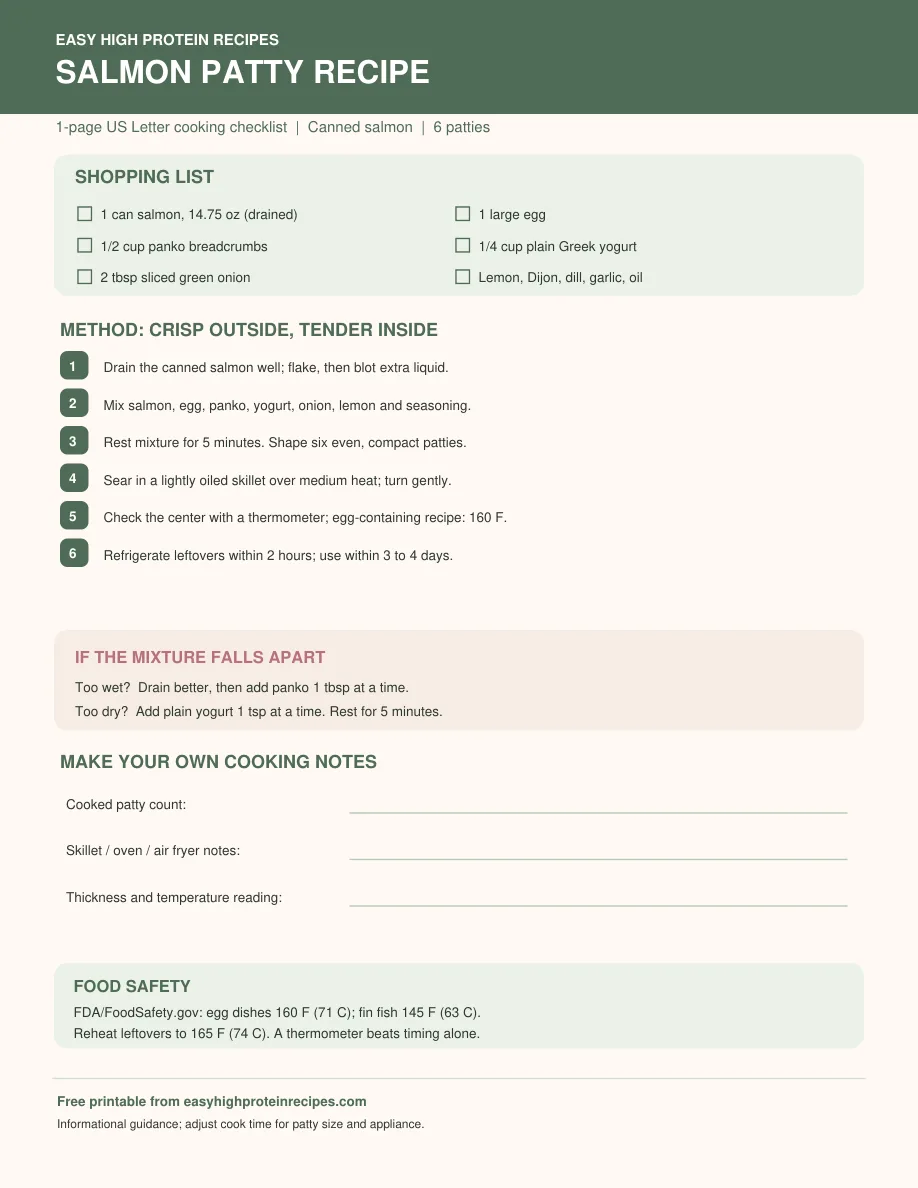
Print a copy before grocery shopping, then use the cooking notes section to record whether you prefer a thin crusty cake or a thicker one for sandwiches. Those small observations are more useful than relying on someone else’s pan temperature every time.
Salmon Patty Recipe Card
Here’s the full salmon patty recipe in WP Recipe Maker, with ingredient quantities, step-by-step instructions and a printer-friendly format. The recipe card is the source of truth for the six-patty skillet version; optional methods and troubleshooting are explained above.
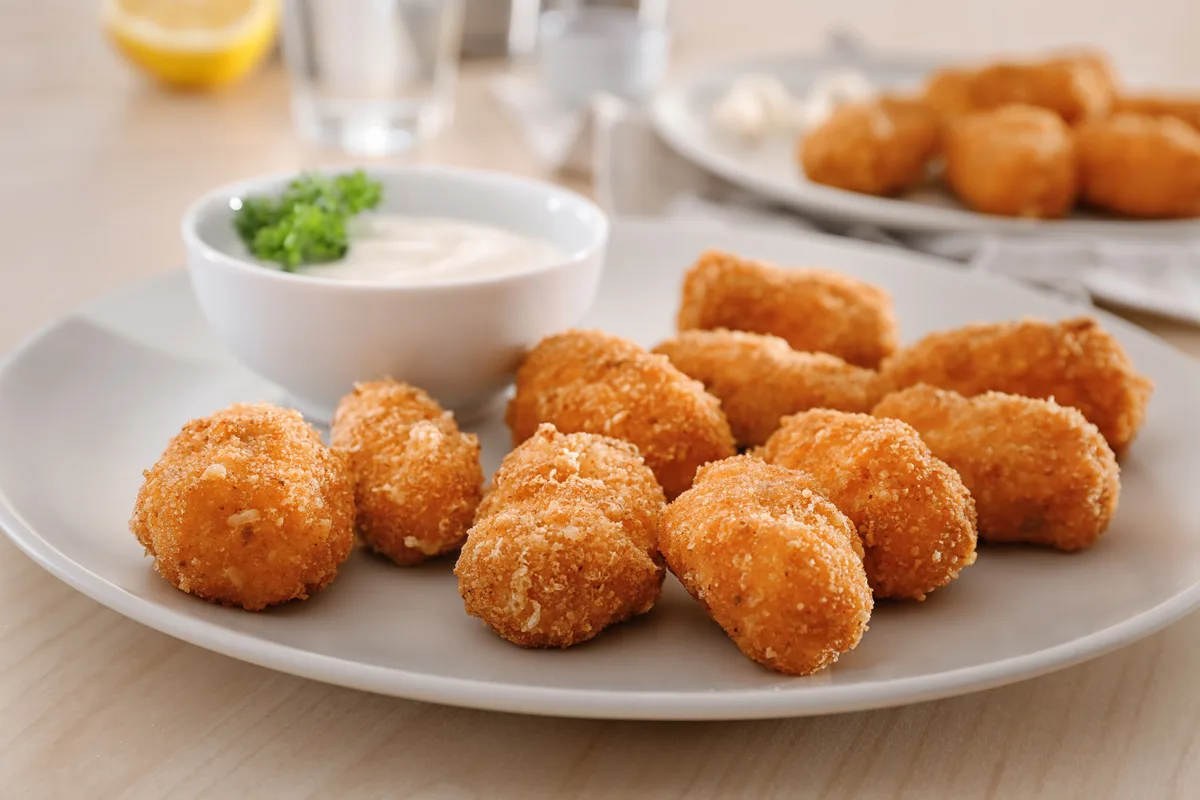
Crispy Salmon Patty Recipe with Canned Salmon
Ingredients
Method
- Drain the canned salmon thoroughly in a sieve and blot with paper towel. Transfer to a large mixing bowl and flake with a fork. Remove skin or noticeable firm bones if desired.
- Add the beaten egg, panko, Greek yogurt, green onions, lemon juice, Dijon, dill, garlic powder, and pepper. Fold just until incorporated; don’t mash the fish into a paste.
- Let the mixture sit for 5 minutes so crumbs hydrate. Form six evenly sized patties, around 3 inches across and about 3/4 inch thick. If loose, add panko in 1-tablespoon steps; if dry, add yogurt in 1-teaspoon steps.
- Warm olive oil in a nonstick or well-seasoned skillet over medium heat. Cook in batches without crowding, generally about 4–5 minutes per side for this size, until golden. Turn carefully with a wide thin spatula.
- Use a food thermometer in the center of the thickest patty. Because this version contains raw egg, use the official egg-dish benchmark of 160°F (71°C). Cooking time varies with thickness and cookware.
- Serve with lemon wedges, yogurt-dill sauce, greens, or rice. Refrigerate promptly within 2 hours; store cooked leftovers for 3–4 days and reheat to 165°F (74°C).
Notes
Frequently Asked Questions
Can I make this salmon patty recipe with canned salmon?
Yes. That’s what this version is designed for. Use a well-drained 14.75-ounce can, flake the cooked fish, and bind it with egg and panko. Canned salmon is a pantry shortcut, not an inferior ingredient for patties.
Why do my salmon patties fall apart when frying?
Most often the mixture contains too much moisture, hasn’t rested long enough, or gets flipped before the first side firms up. Drain well, let the crumbs hydrate for five minutes and use a wide spatula. Only add more binder if the texture tells you to.
What is the best binder for salmon patties?
I like one egg plus panko for this salmon patty recipe because it gives enough structure without turning the fish into a dense cake. Crushed saltines also work for a more traditional flavor, but they’re often saltier.
Can I use fresh salmon instead of canned?
Yes, after cooking and cooling it. Flake the cooked salmon and adjust panko based on how wet or dry the fish is. Don’t use raw fresh salmon in a recipe written for precooked canned fish without following a separately verified fresh-fish method.
What temperature should salmon patties reach?
Fin fish has an official 145°F (63°C) minimum, while the FDA/FoodSafety.gov egg-dish guideline is 160°F (71°C). Because this recipe contains raw egg mixed into the salmon, I use 160°F for the finished patties. Reheat cooked leftovers to 165°F (74°C).
Can I make salmon patties in an air fryer?
You can. Use a lightly oiled basket around 375°F and check early, as size and appliance vary. Don’t crowd the basket, and measure the center temperature. The texture will be different from a shallow skillet sear.
If you came here for an easy salmon patty recipe and mainly needed to know why your first batch crumbled, you can skip most of the discussion and go straight to the texture table, the WP Recipe Maker card or the printable. They’re meant to be useful at the stove, not just in search results.
Related Easy High-Protein Dinner Guides
If you’re collecting weeknight dinners after this salmon patty recipe, my closest seafood suggestion is one-pan honey garlic salmon and vegetables. For a different protein with just as little fuss, try high-protein garlic chicken rice bowl or high-protein low-carb dinner ideas. If you prefer whole fish fillets to patties, try our air frying fish recipes guide for ten flavor combinations and a safe-cooking chart.
When you want comfort food instead, our easy chicken pot pie recipe is a useful make-ahead option. I also keep Big Mac bowls in the same easy-dinner rotation for days when there’s no fish in the pantry.
None of those recipes replaces the specific binder steps in this article. Different proteins behave differently in a skillet, and keeping that distinction clear is part of writing a usable recipe rather than an interchangeable list.
Sources and Editorial Note
This salmon patty recipe is editorial food content, not individualized medical or dietary advice. The quantities are an original practical formulation, not presented as a personally laboratory-tested or nutritionally certified recipe. I have not assigned an invented calorie or protein count. Adjustments for allergies require ingredient label checks and appropriate professional guidance.
- FoodSafety.gov: Safe Minimum Internal Temperatures — official fish and egg-dish temperatures.
- FDA: Safe Food Handling — hygiene, raw egg and proper heating.
- FDA: Selecting and Serving Seafood Safely — fish handling and freshness.
- FoodSafety.gov: Cold Food Storage Chart — refrigerated and frozen storage guidance.
- FoodSafety.gov: 4 Steps to Food Safety — clean cooking practices, thermometer use, prompt chilling and safe storage.
Photo disclosure: the food photography is real stock media licensed through Magnific Stock and Pexels, not AI-generated. The photo captions distinguish salmon croquettes from generic fish cakes, fresh salmon fillets and commercial frozen patties. None is described as a documentary image of the batch in this salmon patty recipe. The infographic is an original typographic guide, and recipe amounts remain consistent between the card and printable.


3 thoughts on “Salmon Patty Recipe: 7 Easy Tips for Crispy, Delicious Results”