Easy Breakfast Meal Prep: 10 Smart Ideas You’ll Love (+ Free Planner)
Posted in :

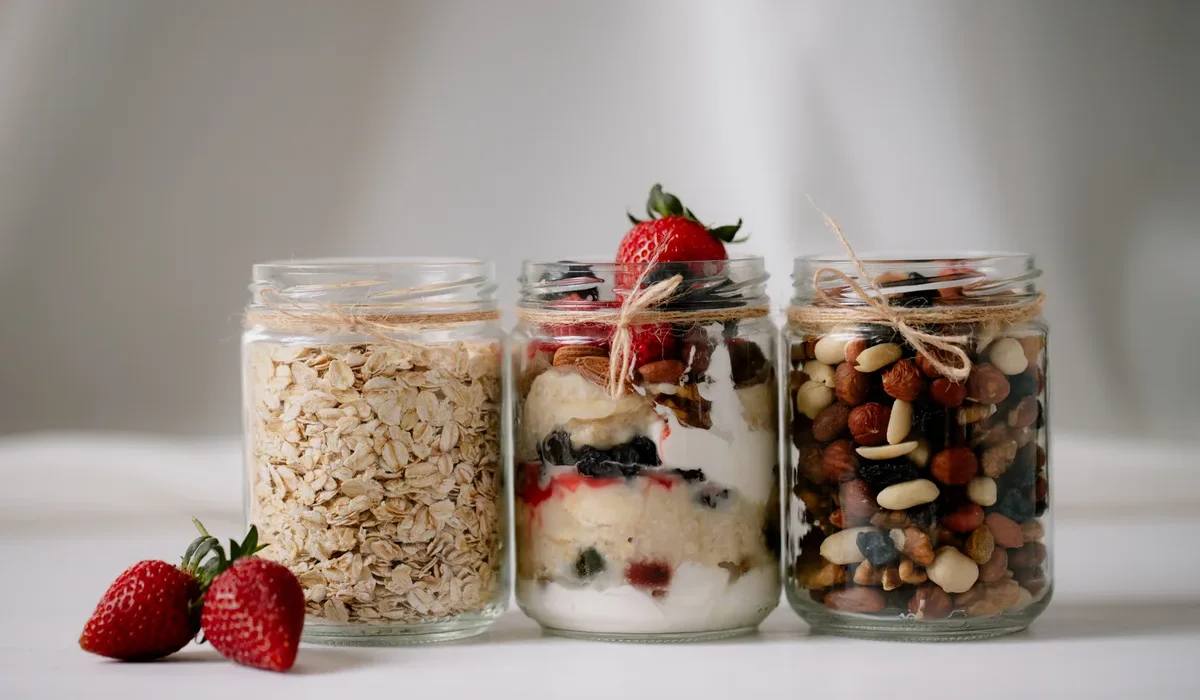
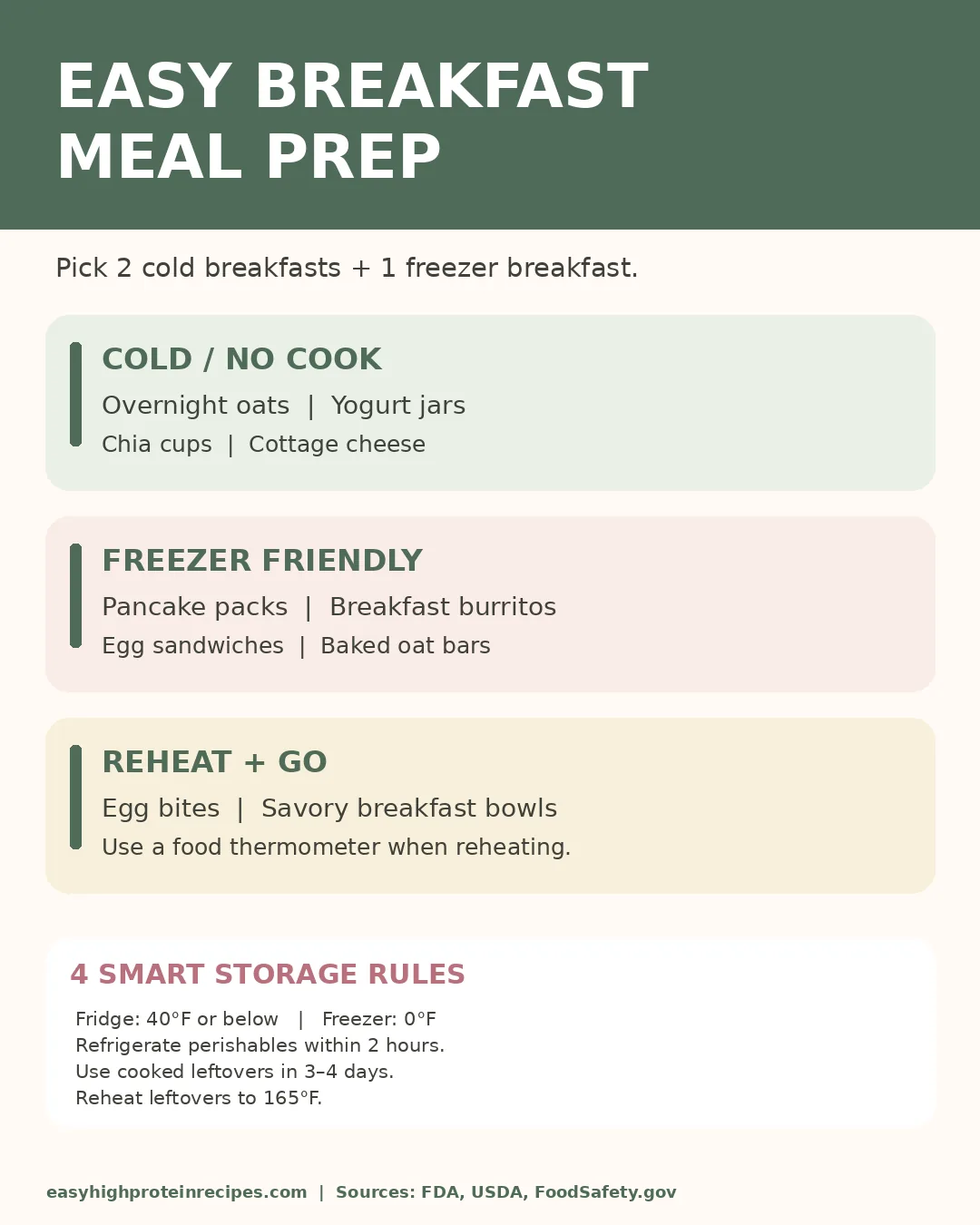
Easy breakfast meal prep is simpler when you make just two or three breakfast types instead of cooking seven different meals. I would start with a few overnight oat jars, a separate yogurt-and-fruit kit, and one freezer-friendly option such as egg sandwiches or pancakes. That gives you something to grab cold, something to reheat, and a backup when the fridge is empty.
This guide is a practical plan for busy American weekday mornings, not a collection of pretty food pictures with no instructions. You’ll find ten specific ideas, a five-day rotation, a realistic Sunday prep timeline, a breakfast picker, and a free printable. The cooking notes cover texture, packing, and safe storage so the meals are as usable on Thursday as they look on Sunday.
On This Page
Easy Breakfast Meal Prep: Quick Answer
My simplest easy breakfast meal prep formula is two cold breakfasts + one freezer breakfast. Cold jars do most of the work early in the week. Freezer foods give you flexibility late in the week without asking yesterday’s berries or yogurt to last longer than they should.
The first question I ask is whether you’ll have a microwave, a refrigerator, or neither. There’s no point making a hot egg casserole for someone who eats breakfast in a car without a way to reheat it. Likewise, I wouldn’t pack granola directly into yogurt on Sunday if I wanted crunch on Wednesday. For more ingredient choices to keep on hand, use the high protein foods grocery chart while making your shopping list.
You don’t need ten matching glass jars. Four leakproof containers, a few freezer bags and a marker are enough to begin. The main goal isn’t to make breakfast complicated; it’s to remove decisions at the busiest point of the day.
The 30-Minute Sunday Mix-and-Pack Method
The most useful version of easy breakfast meal prep starts with a timer and a shopping list. This is a 30-minute hands-on mixing and packing session for cold breakfasts, not a promise that you can bake casseroles or fully cook breakfast burritos in half an hour. If you add a hot recipe, plan its cooking and cooling time separately.
Minutes 0–5: clear space and choose containers
Set out clean jars, containers, lids and tape for dates. Make sure refrigerated ingredients are still cold. Put one small bowl on the counter for dry toppings like nuts and granola, and keep it separate from ready-to-eat yogurt so crumbs don’t go soft.
Minutes 5–15: assemble the oat jars
Spoon oats and chia into four jars, then divide yogurt, milk and peanut butter among them. Stir all the way into the corners. A fork is often better than a wide spoon for lifting stubborn dry oatmeal from the bottom of a jar.
Minutes 15–22: set up the parfait kits
Portion plain Greek yogurt into small containers and wash fruit. Dry the fruit well before packing, especially berries. Keep the granola in a dry little cup or packet. That single separation makes a noticeable difference when you eat later.
Minutes 22–30: label, chill, and assign the days
Write a preparation date on each container and put cold foods back in the refrigerator promptly. Choose which two or three jars you’ll eat first. Put your freezer meal on the Thursday or Friday slot if you have one already cooked and properly frozen.
If this easy breakfast meal prep method is new, start with three mornings instead of five. Fewer servings give you a chance to find out whether you prefer thicker oats, firmer yogurt, or a sandwich reheated in a toaster oven. That’s a useful adjustment, not a failed week.
10 Easy Breakfast Meal Prep Ideas
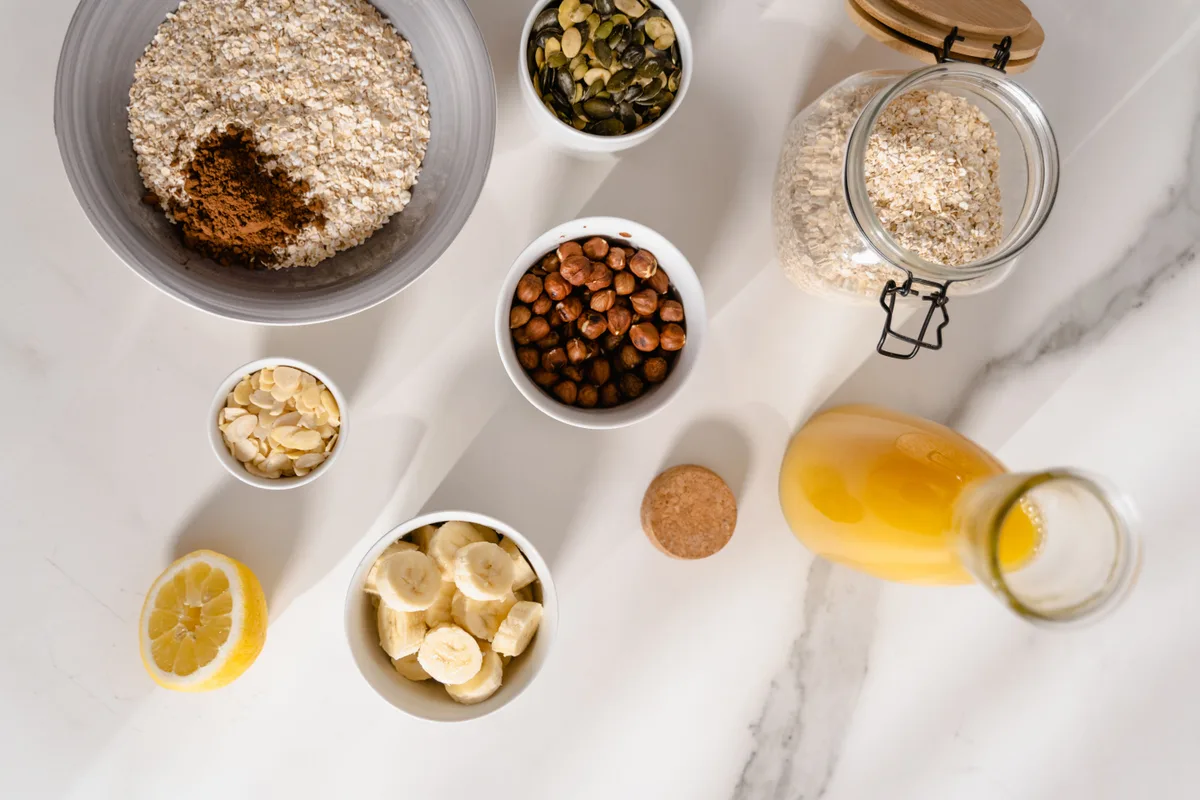
These ten easy breakfast meal prep ideas cover both sweet and savory breakfasts without pretending that all of them can be stored the same way. Each idea includes what to prepare, what to leave until the morning, and what can go wrong. Pick only two or three per week. The point is repeatability, not a refrigerator full of food nobody wants by Friday.
1. Peanut butter berry overnight oats
For four jars, combine two cups rolled oats, two cups Greek yogurt, one and one-third cups milk, four tablespoons chia seeds and four tablespoons peanut butter. Divide evenly. Add cinnamon if you like it, stir thoroughly and chill at least four hours. Finish each jar with about a quarter cup of berries when it’s time to eat.
This is my first pick for no-cook easy breakfast meal prep because the texture is forgiving. If it becomes too thick, a splash of cold milk loosens it. If you need it thicker, allow more time for the oats to hydrate rather than adding a pile of dry oats just before leaving home. The full recipe card appears below.
2. Greek yogurt and granola parfait kits
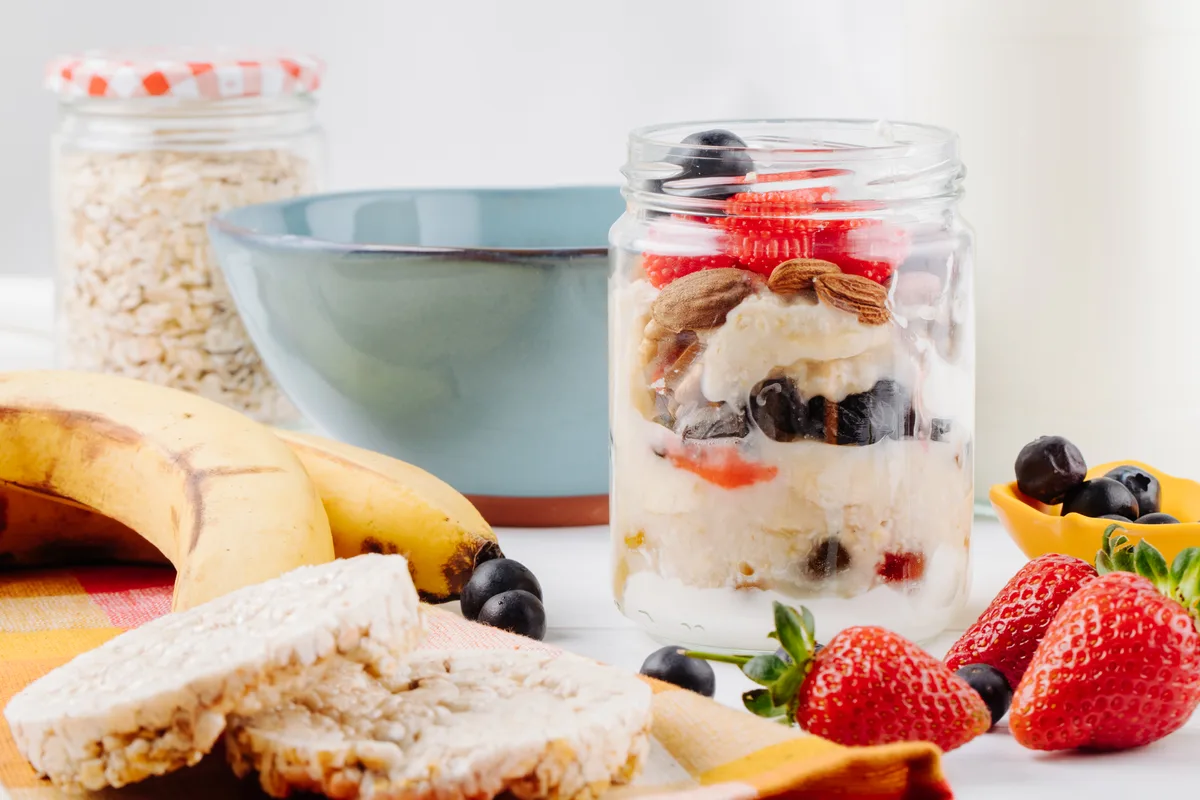
Pack about three-quarters of a cup of plain Greek yogurt per serving, with sliced strawberries or blueberries in a second compartment. Put two tablespoons of granola in a dry container and add it at breakfast. There’s no need to sweeten every serving on Sunday; a drizzle of honey can be added when you eat, if that’s your preference.
A parfait isn’t a sturdy travel option if the lid leaks or the granola is submerged for days. A small container with a tight seal and a spoon already packed in your bag solves most of the annoyance. This easy breakfast meal prep idea is best eaten relatively early in your rotation because cut fruit loses its texture.
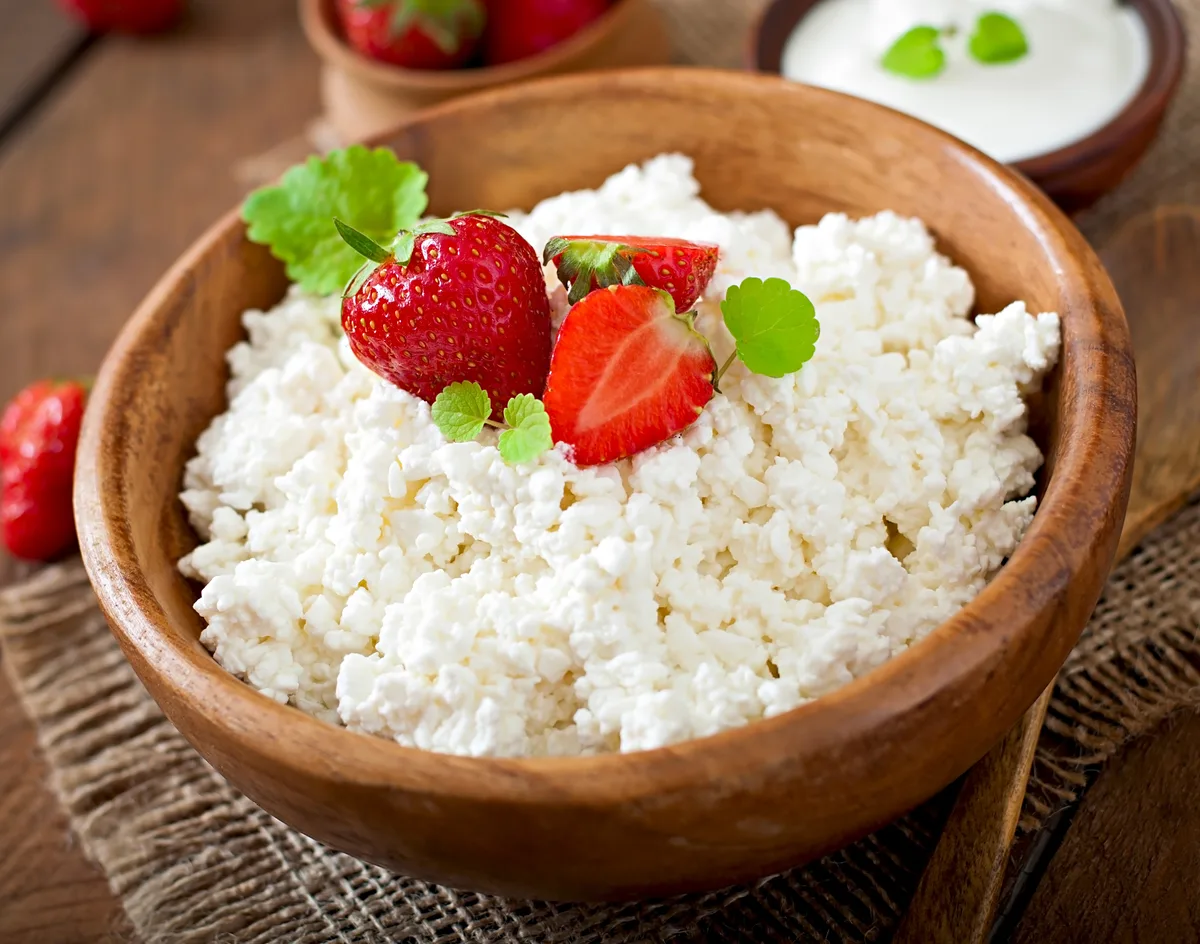
3. Strawberry cottage-cheese breakfast cups
Spoon half to three-quarters of a cup of cottage cheese into a lidded container and pack a small serving of strawberries beside it. Keep chopped nuts in a separate packet if you want something crunchy. The ingredients don’t need to be transformed into a batter or baked; that’s the entire appeal.
For a savory version, replace berries with cherry tomatoes and cucumber and add black pepper when serving. Avoid adding wet tomatoes to the cheese days ahead; the juice can make the whole cup watery. Choose plain cottage cheese and check labels if you track sodium or have dietary restrictions.
4. Cinnamon chia breakfast pudding
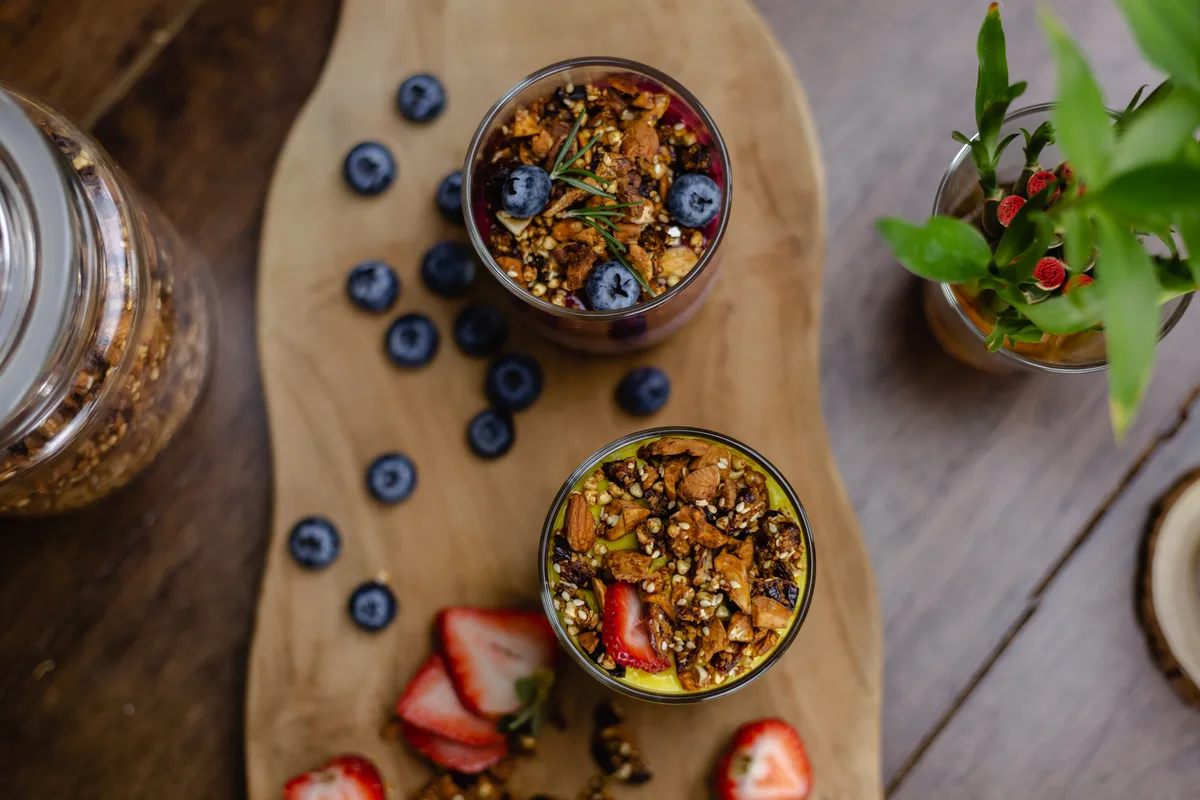
Stir one and a half tablespoons of chia seeds into half a cup of milk with a little cinnamon and vanilla. Rest a few minutes, stir again to break up clumps, close the jar and refrigerate until thickened, preferably overnight. Top with fruit just before serving. If you make several jars, use a tablespoon to scrape the corners before closing them.
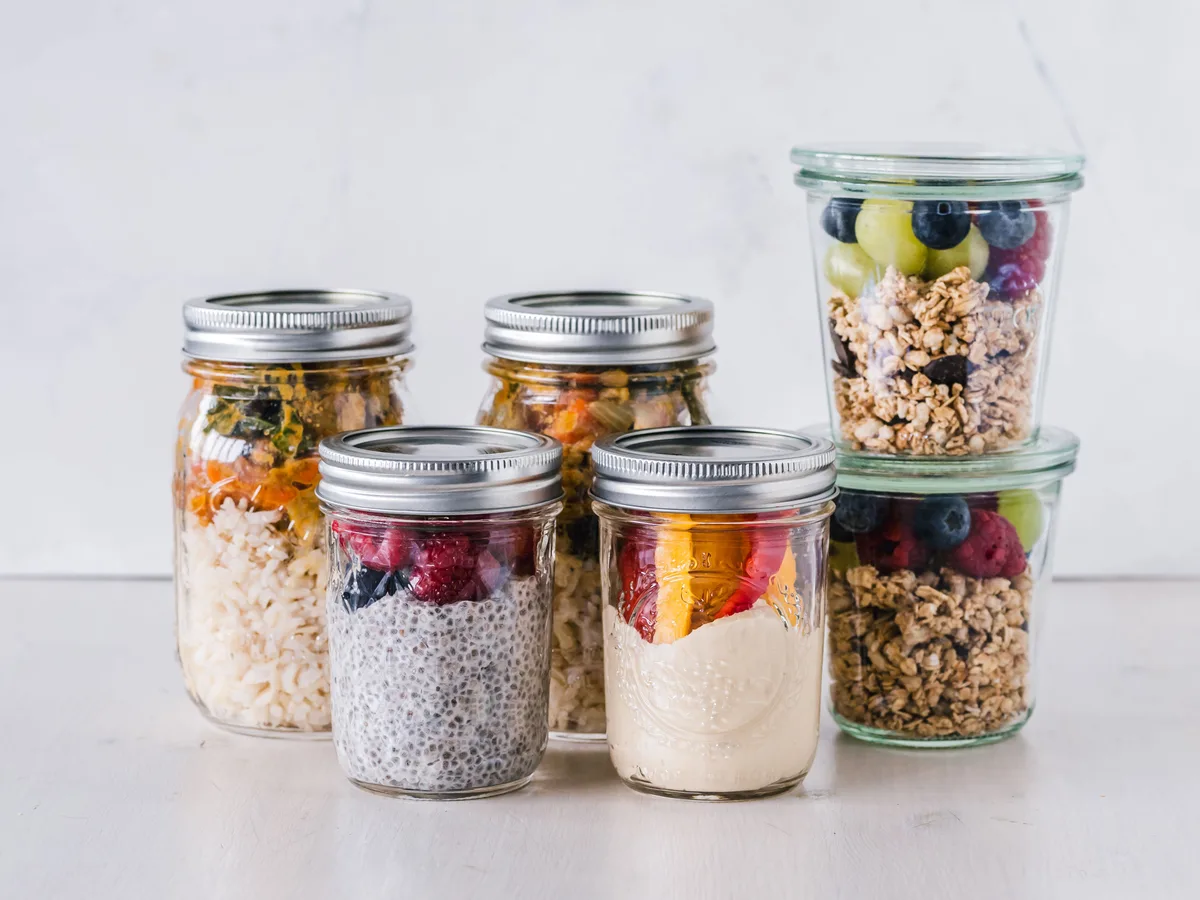
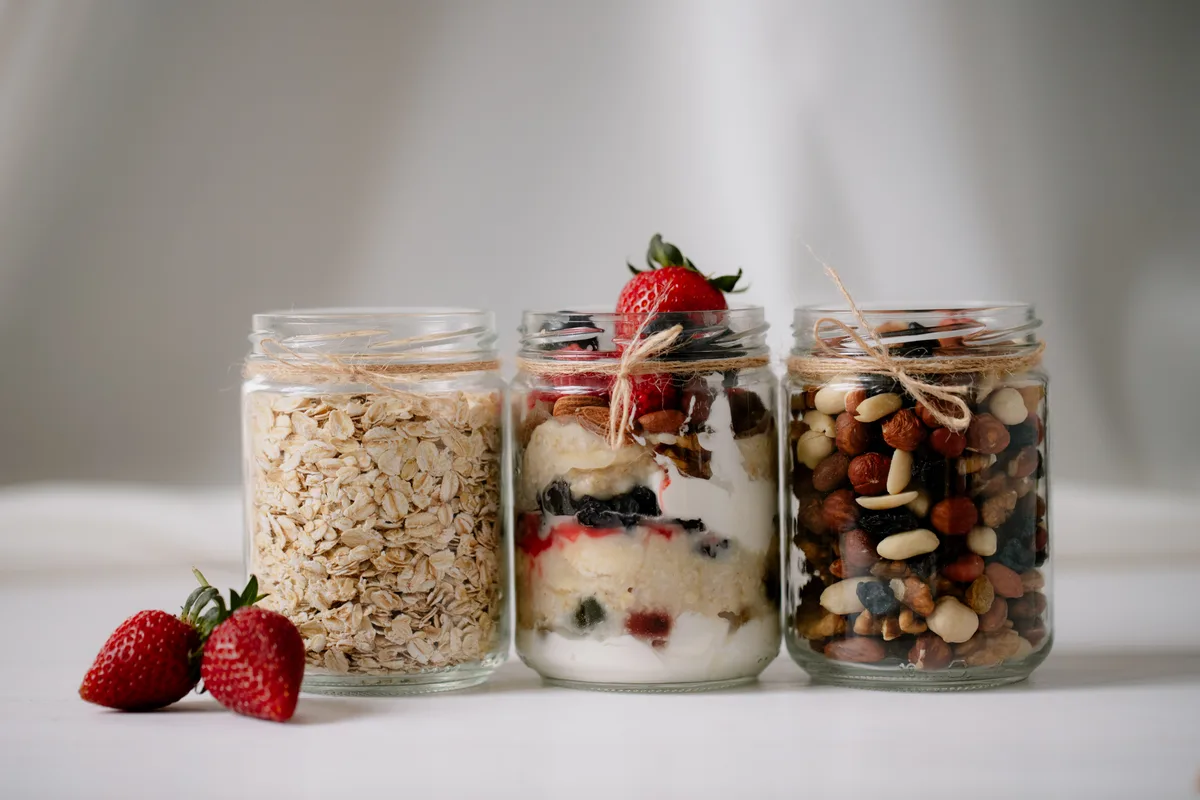
Chia pudding can be wonderfully convenient, but a dry ball of seeds in the middle is unpleasant. That second stir matters more than an extra topping. The photographed jars below show different chia-pudding preparations, not an exact image of the quantities in this paragraph.
5. Spinach and cottage-cheese egg bites
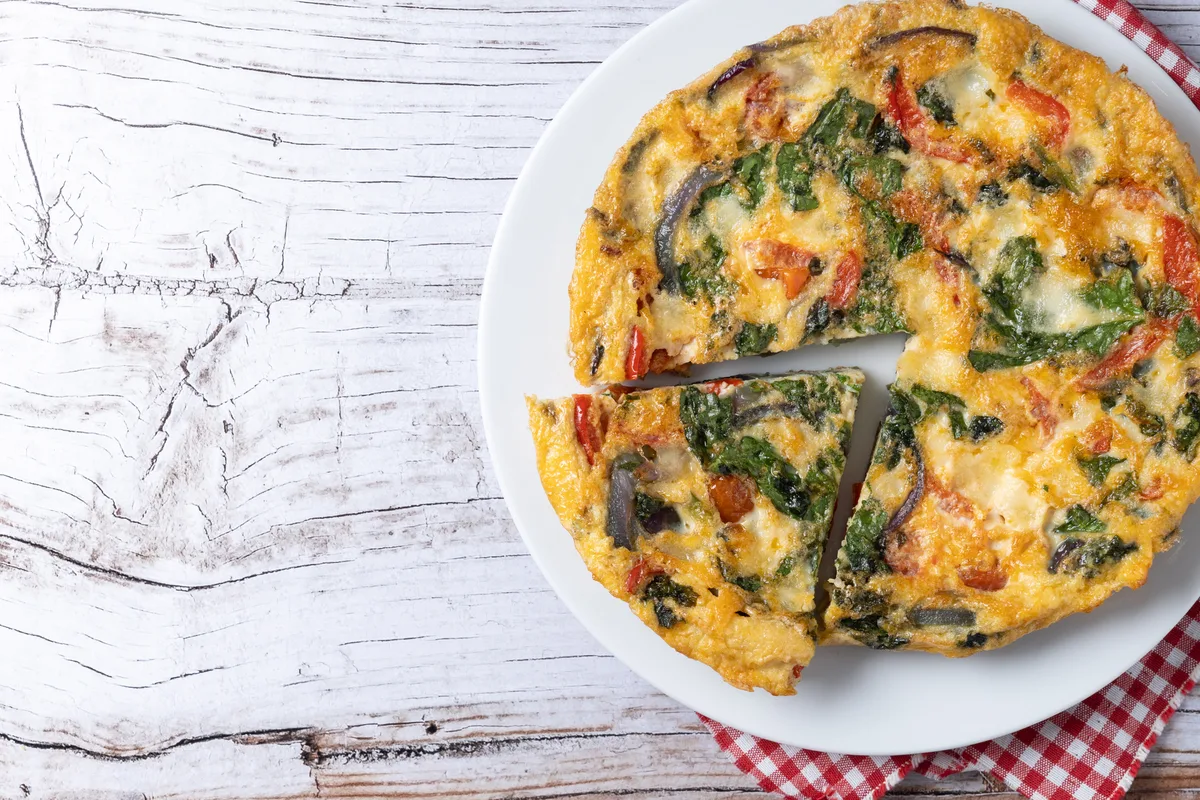
For a warm, protein-focused option, use our existing high-protein cottage cheese egg bites recipe rather than starting a new one here. Bake as directed in its own recipe card, check the egg-dish temperature and refrigerate promptly. Pair two or three bites with fruit or toast, depending on your appetite.
I don’t recommend steaming them in a closed lunchbox and then sealing the lid while everything is dripping hot. Use a suitable shallow container for safe, quick cooling, and keep breakfast sides separate. The size of the muffin cups changes both cooking and reheating time.
6. Freezer egg and cheese breakfast burritos
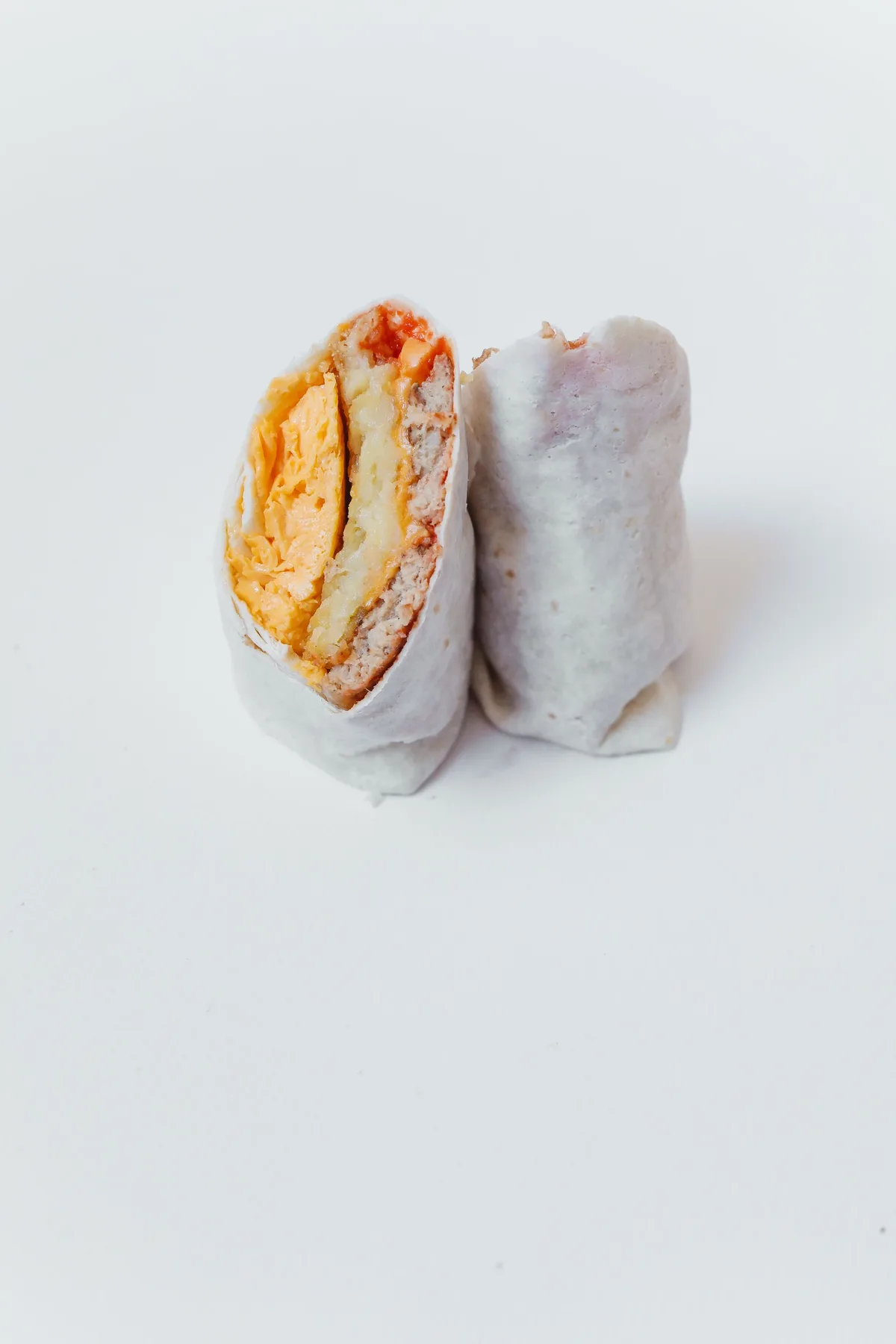
Fill small tortillas with fully cooked scrambled eggs, a modest sprinkle of shredded cheese and cooked peppers or spinach. Let the filling cool promptly and safely, roll each burrito tightly, then freeze individually in suitable wrapping. A thin, even layer of filling reheats more evenly than a huge, overstuffed roll.
This easy breakfast meal prep choice needs a real cooking session beyond the cold-jar timeline. Cook egg dishes to 160°F when prepared as a mixed dish, and reheat stored cooked leftovers to 165°F. Reheat the center thoroughly, not just the outer tortilla, and follow your appliance instructions. Add salsa fresh rather than freezing a wet tortilla.
7. Freezer banana cottage-cheese pancakes
Cook a full batch using our banana cottage cheese pancakes recipe. Let the cooked pancakes cool promptly, separate them with parchment, and freeze in serving-size stacks. A breakfast portion is easier to pull out when you don’t have to pry twelve pancakes apart.
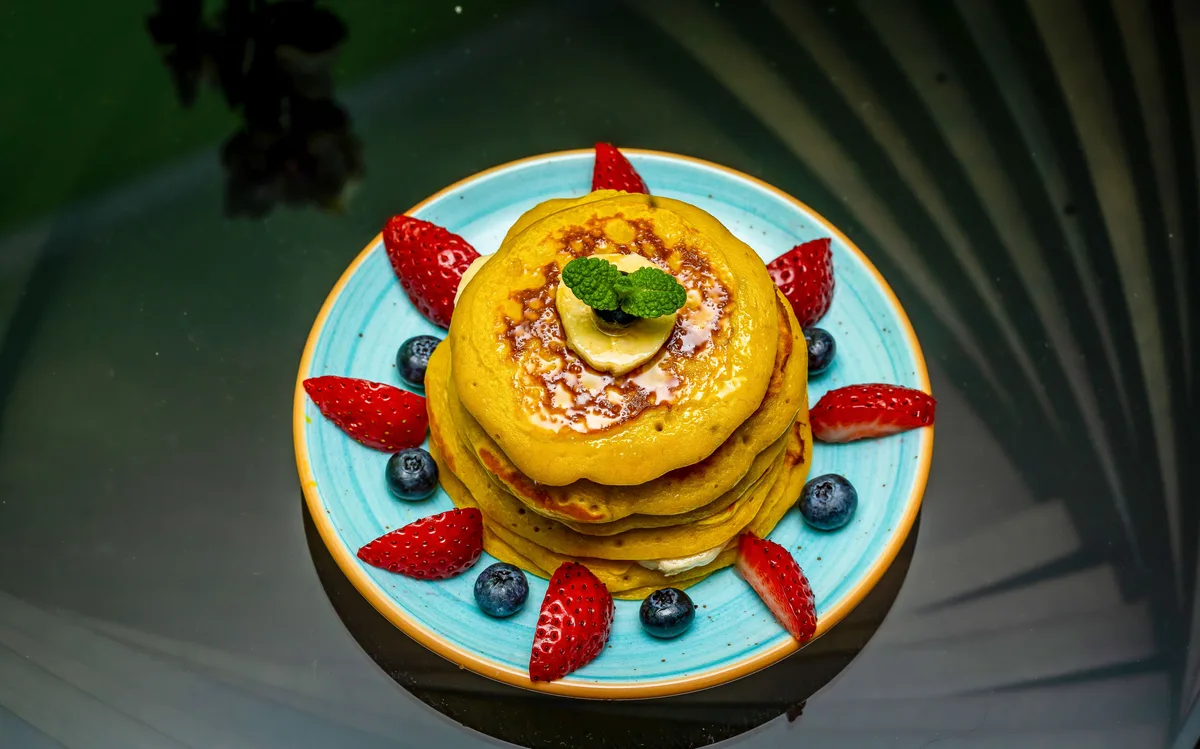
Pack banana slices and yogurt separately rather than freezing a stack already drenched in syrup. The pancakes below illustrate a finished topping idea, not documentation of our recipe batch. This easy breakfast meal prep option is popular with anyone who doesn’t want oats every morning.
8. Egg and cheese English muffin sandwiches
Bake or cook flat egg rounds in a properly heated pan, then add cheese to a split English muffin. Let cooked fillings cool promptly in shallow containers before wrapping and freezing. I prefer to toast the muffin lightly before packing, since that gives the bread a little structure when reheated.
Spinach is a useful filling, but watery vegetables can soak the bread. Cook mushrooms or peppers until excess moisture has evaporated. Save fresh tomatoes and avocado for serving day. If you’re using deli meat, follow its storage instructions and heat thoroughly as appropriate.
9. Blueberry baked oatmeal squares
Mix rolled oats, milk, mashed banana, cinnamon, blueberries and a beaten egg in a baking dish, then bake until the center is set. Cool promptly and cut into squares for individual portions. Because egg is part of this mixture, check that the dish reaches the official 160°F egg-dish benchmark; baking time depends on pan dimensions.
I would eat some squares from the refrigerator within the safe leftover window and freeze the rest early. They’re easier to reheat when the pieces aren’t frozen in one brick. Add Greek yogurt after reheating for creaminess; stirring it into the hot baking dish before portioning can make the squares soggy.
10. Savory grab-and-go breakfast boxes
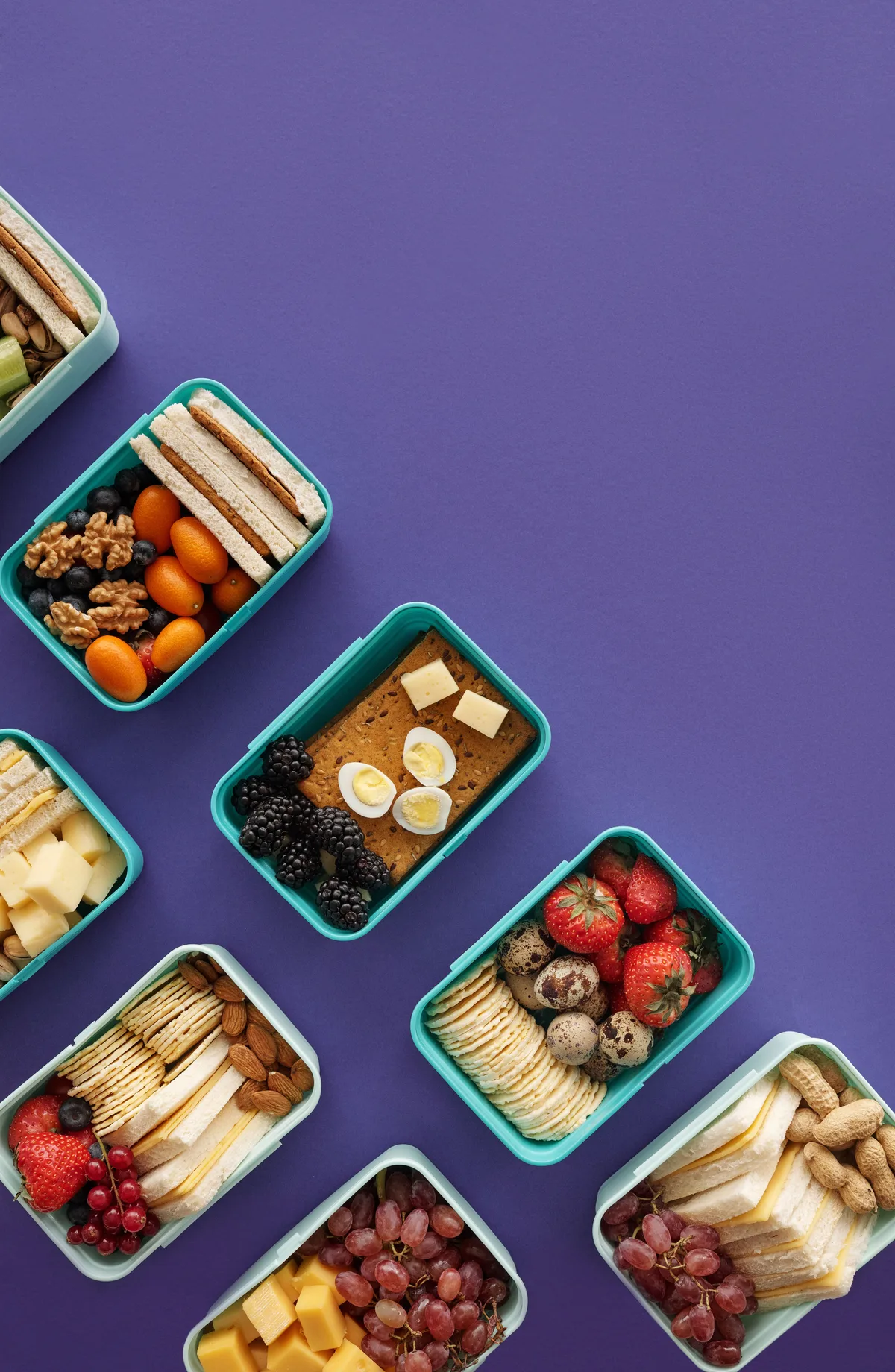
Build a box with cottage cheese, whole-grain crackers, cucumber, grapes and a small handful of nuts, as suitable for your household. Pack the crackers dry, put wet vegetables in a separate compartment and keep dairy cold. This requires assembly, not a stove, and works well when you have only a few minutes in the morning.
If anyone has a nut allergy, skip the nuts and check product labels and cross-contact risk. Whole grapes and hard foods can be choking hazards for young children, so adapt portions and preparation to the person eating. The stock photo illustrates a mixed snack box; it isn’t a guarantee that every pictured ingredient belongs in every child’s breakfast.
For easy breakfast meal prep, these ideas work better as a menu than as a challenge to cook all ten. Pick a couple you genuinely enjoy, repeat them, and adjust the portion sizes to your household rather than to a photograph.
How to Prep Four Peanut Butter Berry Overnight Oat Jars
The four-jar peanut butter berry oats recipe is the anchor of this easy breakfast meal prep guide because it shows how to scale without measuring breakfast separately every morning. In the kitchen I would treat the oats, yogurt, milk and chia as the base, and the peanut butter and berries as the flavor layer.
The four-jar ingredient ratio
- 2 cups rolled oats: half a cup per jar. Use old-fashioned rolled oats; dry steel-cut oats won’t soften in the same way.
- 2 cups plain Greek yogurt: half a cup per jar. Thickness differs across brands.
- 1 1/3 cups milk: one-third cup per jar, with a little extra for serving if desired.
- 4 tablespoons chia seeds: one tablespoon per jar. Stir well to prevent clumping.
- 4 tablespoons peanut butter: one tablespoon per jar, with a nut-free alternative if appropriate.
- 1 cup berries: approximately one-quarter cup per jar, added close to breakfast time for the freshest texture.
- Optional: a teaspoon each of ground cinnamon and vanilla spread across the batch.
What to change if your oats are too thick
Oats continue absorbing moisture as they chill. I would start by stirring the jar and loosening it with a tablespoon of cold milk at serving time. Don’t add multiple large splashes before tasting; it’s easier to thin than rescue soupy oats. If yours are too thin, check that the chia was stirred throughout before making an enormous increase.
The four-jar method isn’t a seven-day license to keep dairy jars in the fridge indefinitely. I use a conservative plan of about three days for these assembled jars, with product labels and cold-storage guidance taking priority. For Thursday or Friday, switch to a freezer recipe made and stored appropriately.
You can move directly to the cottage cheese egg bites guide if you want a warm breakfast and need precise oven instructions instead.
A Five-Day Easy Breakfast Meal Prep Schedule
Here is the actual weekday rotation I would build around easy breakfast meal prep. The list is intentionally mixed: I would avoid making five yogurt jars on Sunday and hoping Friday’s fruit stays equally appealing. Cold preparations go first, freezer portions later.
| Day | Breakfast | Morning action |
|---|---|---|
| Mon | Peanut butter berry overnight oats | Grab cold; add berries |
| Tue | Freezer breakfast burrito | Heat to a safe center |
| Wed | Greek yogurt parfait kit | Add granola when eating |
| Thu | Spinach egg bites with fruit | Reheat a safely frozen portion |
| Fri | Frozen pancakes and yogurt | Reheat pancakes; add cold toppings |
The plan assumes that freezer items were fully cooked, cooled and frozen safely in advance; don’t keep cooked egg dishes in the fridge all week.
The Tuesday burrito comes from the freezer. The Thursday egg bites should also come from the freezer or a fresh batch; they should not be saved unrefrigerated or held beyond the official leftover window. This is where many casual weekly plans are less helpful than they look at first glance.
What I’d buy for a flexible week
I keep the shopping list short: rolled oats, plain Greek yogurt, milk, eggs, cottage cheese, tortillas, fresh or frozen berries, bananas, shredded cheese, spinach, and one crunchy topping. The free PDF has checkboxes for these ingredients and space to write which breakfast you’re swapping in.
You don’t need all those ingredients for every idea. If your week already includes hotcakes or banana cottage cheese pancakes, cook extra at the same time and freeze them. Using your normal grocery list is usually easier than buying specialty products for a plan you might only follow once.
Storage Containers, Condensation, and Crispy Toppings
The container matters as much as the meal when you’re building easy breakfast meal prep that doesn’t turn watery. Choose food-safe containers with secure lids. If you’ll use a microwave, check the container’s own microwave instructions; a freezer-safe label doesn’t automatically mean every lid belongs in the microwave.
How to stop soggy granola and sandwiches
Store crunchy toppings separately. That includes granola, toasted nuts, crispy crackers and even sliced toasted bread. If a breakfast sandwich contains tomatoes, avocado or juicy vegetables, add them right before eating instead of freezing them inside the bread.
Condensation is another texture problem. Hot food sealed tightly can trap moisture, but food safety comes first: cool cooked foods promptly in shallow containers, refrigerate without unnecessary delay and pack for freezing once properly cooled. The goal is safe, quick chilling, not letting a tray sit on the counter for hours.
Pick glass or plastic by how you’ll eat
Glass is convenient for refrigerated oats when you eat at a desk. Lightweight plastic may be more practical for a commute, as long as it is food-safe and correctly rated for reheating. Small dry topping containers are often the most useful purchase; they stop an otherwise good breakfast tasting like wet cereal.
I write both the meal name and prep date on any freezer meal. “Breakfast” alone isn’t a useful label when several foil packages begin to look identical. A piece of masking tape and a marker are enough.
Easy Breakfast Meal Prep Safety: Fridge, Freezer, Reheating
The food safety part of easy breakfast meal prep deserves its own section because oats, dairy, eggs and cooked leftovers don’t all follow one identical storage rule. I use official FDA, USDA and FoodSafety.gov guidance for the numbers below, and I avoid giving every jar an invented seven-day shelf life.
- Refrigerator: 40°F (4°C) or below; freezer: 0°F (-18°C).
- Refrigerate perishable foods promptly, normally within 2 hours (1 hour above 90°F).
- Cook mixed egg dishes to 160°F (71°C), measured at the center.
- Use properly refrigerated cooked leftovers within 3–4 days or freeze for later use.
- Reheat cooked leftovers to 165°F (74°C) before eating.
Why Monday-to-Friday refrigerated egg bites are not the plan
Cooked egg dishes belong in shallow containers and need quick chilling. USDA guidance says use them within three to four days. If you batch-cook on Sunday, freeze some portions for later in the week rather than assuming an unbroken five-day refrigerator schedule is safe.
How long should overnight oats stay chilled?
The USDA leftover guidance is written primarily for cooked leftovers, not a guarantee for every uncooked milk-and-oats combination. For my easy breakfast meal prep plan, I schedule the assembled dairy oat jars within about three days as a conservative quality-and-handling choice, follow the shortest applicable label instructions, and keep them cold.
Freezing does not repair unsafe handling
Freeze food that was prepared and chilled correctly. Label the date and thaw perishable freezer portions in the refrigerator or safely during immediate reheating, not overnight on a countertop. A microwave can leave cold pockets, so stir or rotate as appropriate and verify the center temperature.
If the refrigerator lost power or a breakfast container was left out longer than the safe limit, don’t use smell as a substitute for following official food-safety instructions. When there is doubt, check the relevant government guidance rather than guessing based on how the food looks.
Budget, Ingredient Swaps, and Common Allergens
Easy breakfast meal prep should reduce food waste, not create a long list of ingredients that serve one purpose each. Choose recipes with overlap: yogurt works in oats, parfaits and alongside pancakes; berries work in jars and on the plate; eggs can go into burritos or sandwiches.
Budget substitutions that keep the prep simple
- Fresh berries to frozen berries: stir thawed fruit into oats just before serving. It may release juice, so don’t treat it as an identical crisp topping.
- Greek yogurt to plain yogurt: the texture will be thinner and nutritional values vary. Start with a little less milk in oats.
- Peanut butter to sunflower seed butter: a workable flavor alternative for some households; check allergen labels and cross-contact warnings.
- Tortillas to English muffins: make a sandwich instead of a wrap. Keep fillings relatively dry so the bread can reheat cleanly.
- Fresh spinach to frozen: cook and drain frozen spinach thoroughly before putting it into egg dishes.
- No oven: focus on yogurt cups, chia jars, oatmeal and no-cook breakfast boxes instead of promising baked recipes without proper equipment.
Allergy labels and family portions
The breakfast options here may include milk, eggs, wheat, peanuts or other tree nuts. Check labels and kitchen cross-contact if anyone must avoid an ingredient. A specific substitution doesn’t mean the complete recipe is automatically safe for someone with a food allergy.
I don’t list precise protein grams for every breakfast because they change substantially with yogurt brand, tortilla size, cheese type and portion. A cup of one yogurt can be very different from another. If you need exact nutrition, use the actual product labels and the finished serving size rather than an unsupported number in a roundup.
For more dinner-oriented meal prep, the easy meal prep chicken boxes article shows the container workflow with chicken; this article stays focused on morning meals.
Interactive Easy Breakfast Meal Prep Finder
This interactive easy breakfast meal prep finder takes three practical answers: the kind of breakfast you like, how many minutes you have each morning, and how many weekdays you need covered. The result recommends a starting rotation and a short shopping list; it doesn’t store information, create an account or calculate medical nutrition targets.
All selections stay in your browser; the result appears only when you press the button. Food-safety limits still apply.
The finder doesn’t promise that every oven or microwave heats a breakfast in exactly five minutes. Use the result as a menu plan. If your morning is too rushed to reheat safely, choose a properly chilled no-cook option and transport it cold.
If you need something extra portable, the high-protein low-carb meals guide offers ideas across all meals, including several breakfast options. Don’t use it as a replacement for the specific storage notes here.
Free Easy Breakfast Meal Prep Printable
The free easy breakfast meal prep printable is a one-page US Letter planner. It gives you a Monday-to-Friday breakfast rotation, a Sunday checklist, shopping checkboxes, notes for swaps and a food-safety reminder. It is built for printing without a signup form.
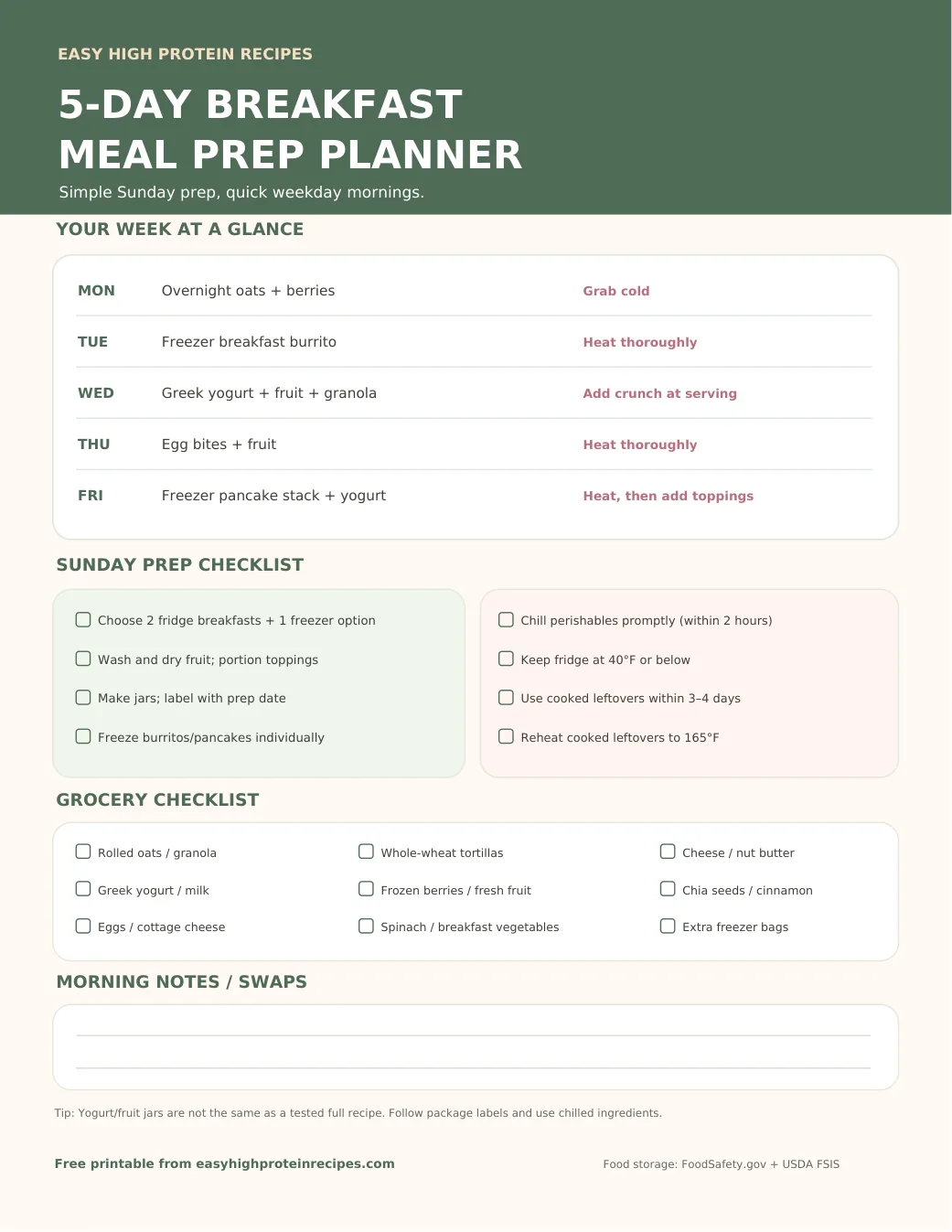
I would print one copy, circle the two breakfasts everyone actually likes, and use the blank note lines for swaps. The week gets easier when you can cross out a meal that doesn’t reheat well and replace it with something familiar rather than restarting your whole plan.
Full Overnight Oats Recipe Card
The overnight oats card below is saved in WP Recipe Maker with quantities for four jars. It’s a specific no-cook base recipe, not a card that pretends all ten breakfast ideas share ingredients. Use the article sections above for separate methods such as burritos, baked oats and egg bites.
Peanut Butter Berry Overnight Oats (Four Meal Prep Jars)
Ingredients
Method
- Use four clean jars with secure lids, each large enough for a breakfast serving. Refrigerate ingredients before starting.
- Put 1/2 cup rolled oats and 1 tablespoon chia seeds in each jar. Add a pinch of cinnamon if using.
- Divide the Greek yogurt, milk, peanut butter and optional vanilla evenly among the jars. This is 1/2 cup yogurt, 1/3 cup milk and 1 tablespoon peanut butter per jar.
- Stir each jar all the way to the bottom to break up dry pockets. Close the lids and refrigerate at 40°F or below for at least 4 hours, preferably overnight.
- Add about 1/4 cup berries to each jar close to serving time. If the oats look too thick, stir in a little more cold milk; never leave the jars sitting at room temperature.
- Write the prep date on each jar. For a cautious schedule, finish refrigerated assembled jars within about 3 days and follow shorter product-label guidance when applicable. Do not freeze these assembled yogurt-fruit jars for this recipe.
Notes
This easy breakfast meal prep recipe works best when you make the oat base a day ahead and add berries closer to eating. The card includes the chill time, serving quantity, peanut and dairy notes, and safe refrigerated handling reminders.
Easy Breakfast Meal Prep FAQs
How far ahead can I meal prep breakfast?
For this easy breakfast meal prep guide, I use about three days for assembled dairy oat jars as a conservative planning window; exact limits depend on ingredients and product labels. Properly refrigerated cooked leftovers are generally used within three to four days according to USDA guidance. Freeze late-week cooked portions promptly instead of keeping everything in the fridge all week.
What is the easiest breakfast to prep without cooking?
Plain Greek yogurt parfait kits, overnight oats and cottage-cheese fruit containers are straightforward because they need portioning instead of a pan. Pack crunchy toppings separately and keep cold food refrigerated or in an insulated carrier with cold packs during travel.
Can I make high-protein breakfast meal prep without powder?
Yes. Greek yogurt, cottage cheese, eggs and other ordinary foods can contribute protein. Exact amounts depend on brands and portions, so read package labels rather than assuming the same protein figure applies to every bowl. Protein powder isn’t required for any recipe in this roundup.
What breakfasts can I freeze for later in the week?
Cooked breakfast burritos, fully cooked egg bites, plain pancakes and some baked oatmeal portions are practical choices. Freeze after safe cooling, label the date, and reheat thoroughly. Yogurt-fruit parfaits are a poor freezer choice when you want them to keep their fresh, creamy and crisp texture.
How do I avoid soggy meal-prepped breakfasts?
Separate granola from yogurt, toast before assembling sandwiches, drain cooked vegetables and add watery fruit or sauces when serving. Use secure containers and refrigerate perishable food promptly. The easiest easy breakfast meal prep fix is often packaging, not a different recipe.
Can I meal prep breakfast for five days at once?
You can plan five days at once, but that doesn’t mean leaving five egg-based meals in the fridge for five days. Use refrigerated items early and properly frozen portions later, respecting the USDA cooked-leftover window and the manufacturer’s storage instructions for each ingredient. This is the reason my five-day sample includes both cold and freezer foods.
An easy breakfast meal prep routine is successful when it keeps breakfast interesting enough to eat and simple enough to repeat. It doesn’t need perfect identical jars or a complicated nutrition spreadsheet.
Related Breakfast and Meal Prep Guides
If you enjoyed this easy breakfast meal prep guide, the most useful related recipes on the site are high-protein cottage cheese egg bites, banana cottage cheese pancakes, and easy homemade hotcakes. Each has its own cooking directions and works as an alternative to an oats jar.
For a broader menu, try high-protein low-carb meal ideas or use the packing approach from meal prep chicken boxes for the week. The latter is primarily a lunch-and-dinner guide; it’s linked here for the container and planning method, not presented as a breakfast recipe.
I suggest keeping one repeatable breakfast plus one different option in your shopping rotation rather than cooking a completely new menu each weekend. That makes the grocery budget easier to control and reduces abandoned containers.
Sources and Editorial Note
The easy breakfast meal prep portions and suggestions in this article are editorial cooking guidance, not individualized medical or dietary recommendations. I have not assigned unverified calories, protein amounts or shopping costs. The ten ideas are practical formulations and suggestions, not a claim that every meal pictured was independently kitchen-tested for this article.
- FoodSafety.gov: Four Steps to Food Safety — recommended refrigerator and freezer temperatures and prompt chilling.
- FDA: Safe Food Handling — hygiene, egg-dish and reheating temperatures.
- USDA FSIS: Handling Leftovers Safely — shallow containers, prompt cooling and three-to-four-day refrigerated leftovers.
- USDA FSIS: Handling and Storing Eggs — 160°F egg dishes and safe holding.
- FoodSafety.gov: Cold Food Storage Charts — storage guidance for eggs, casseroles and other foods.
Photo disclosure: all ten food photographs are actual stock photographs acquired from Magnific Stock or Pexels, not generated images. Their captions identify the subjects, and no photo claims to document preparation of these exact recipes. The infographic and US Letter printable were designed specifically for this article; source guidance is credited above.



3 thoughts on “Easy Breakfast Meal Prep: 10 Smart Ideas You’ll Love (+ Free Planner)”