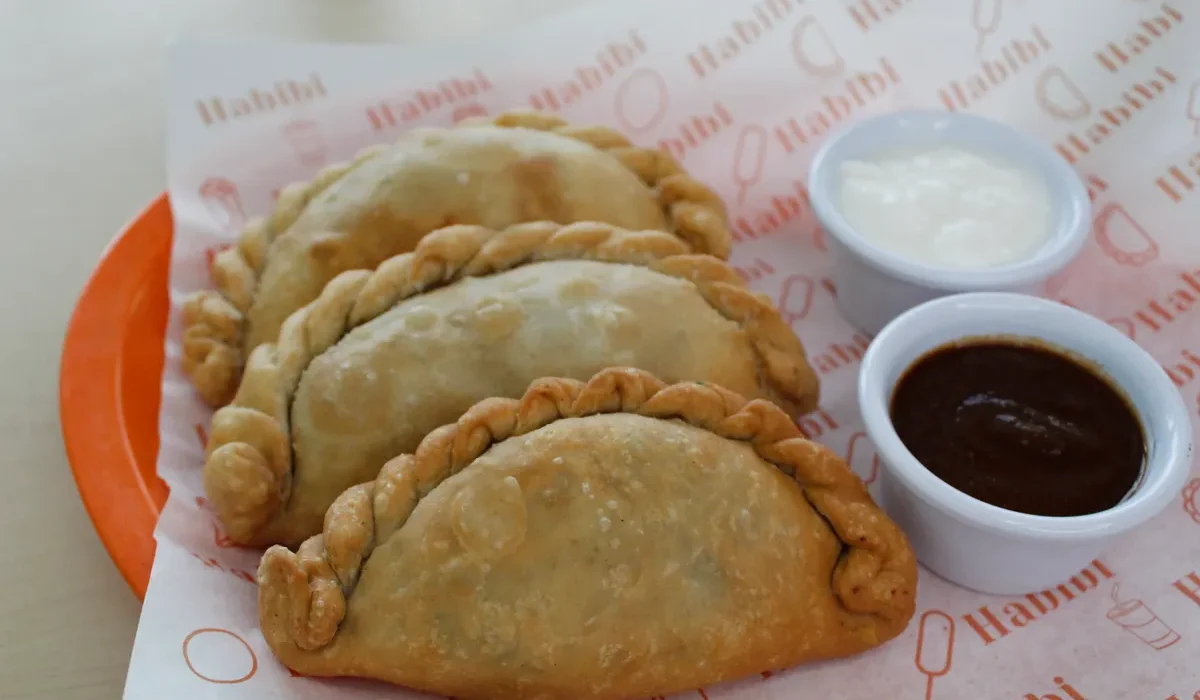
Mince Meat Pasties: 8 Easy, Delicious Pockets You’ll Love (+ Free Printable)
Posted in :

Mince meat pasties are savory pastry pockets filled with seasoned ground beef, vegetables, and often potatoes. For this easy American-style version, I use cooked ground beef, diced potato, peas, and refrigerated-thawed puff pastry to make eight golden hand pies. The filling is cooked before it goes into the dough, so the main challenge is keeping the pastry cool and the edges well sealed.
Below, I’ll walk through the shopping list, the fold that makes eight generous pockets from four pastry sheets, and the little fixes that help prevent leaking or soggy bottoms. There’s also a batch calculator and a printable checklist for your next grocery run.
On This Page
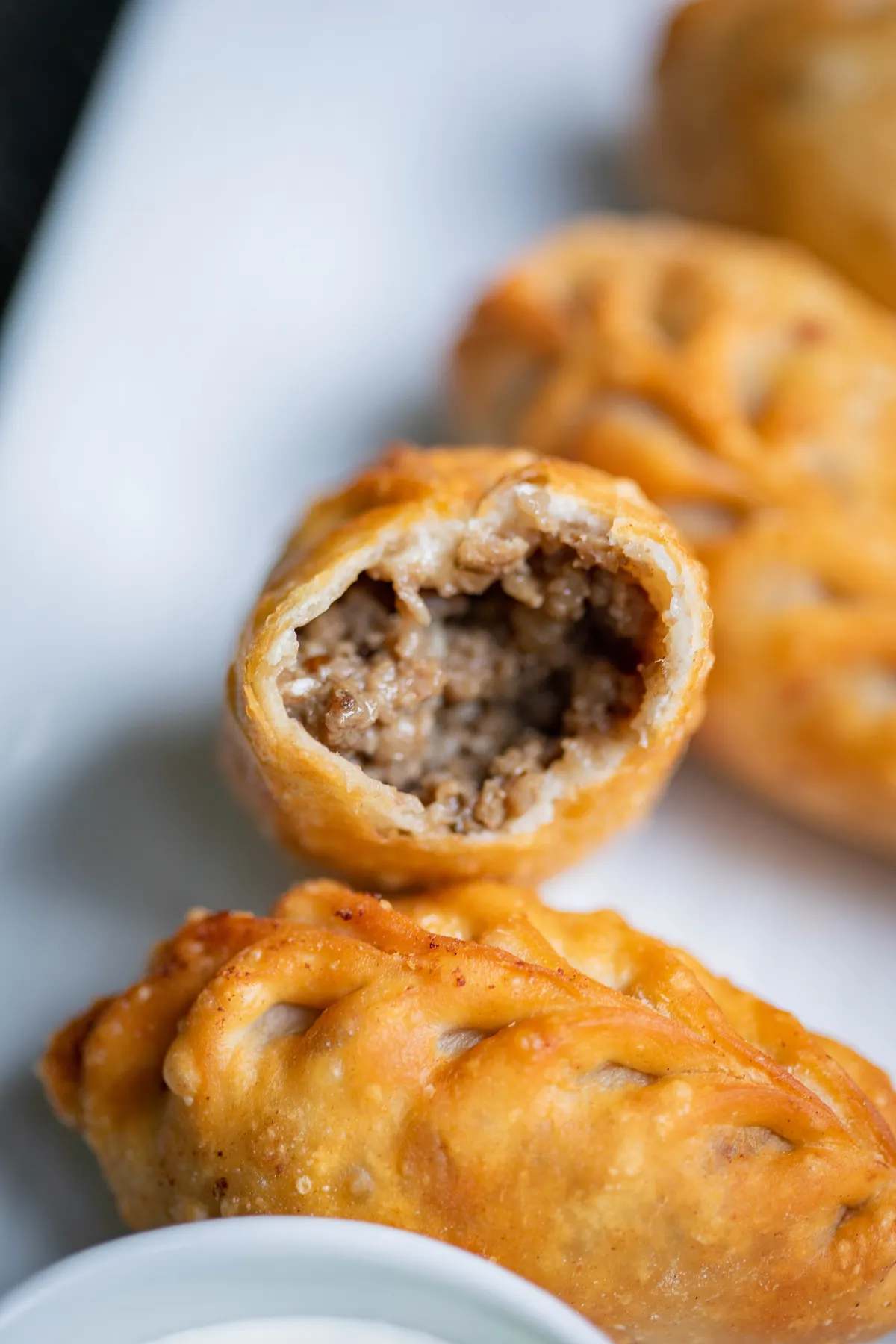
What Are Mince Meat Pasties?
The word pasty usually means a folded pastry case with a savory filling. “Mince” is the British term for ground meat, so mince meat pasties are beef-filled pastry pockets. They’re easy to carry, easy to portion, and useful when you want a meal that doesn’t need a fork and knife.
One confusion is worth clearing up before you shop: sweet mincemeat is a dried-fruit mixture used in holiday pies. You don’t want that for this dinner. Look for ground beef in the meat section, not a jar of Christmas mincemeat.
Are mince meat pasties the same as Cornish pasties?
Not exactly. A traditional Cornish pasty has a protected regional identity and a specific style of preparation. It typically uses pieces of beef with potato, swede (rutabaga), and onion inside pastry, with the filling cooked in the crust. My version uses ground beef cooked ahead, peas, and store-bought puff pastry. It borrows the convenient folded shape without pretending to be the protected regional specialty.
That distinction is helpful in the US, where “beef hand pie” or “savory empanada-style pastry” may sound more familiar. If the store has no pastry labeled for pasties, don’t worry. The shape is much more flexible than the name.
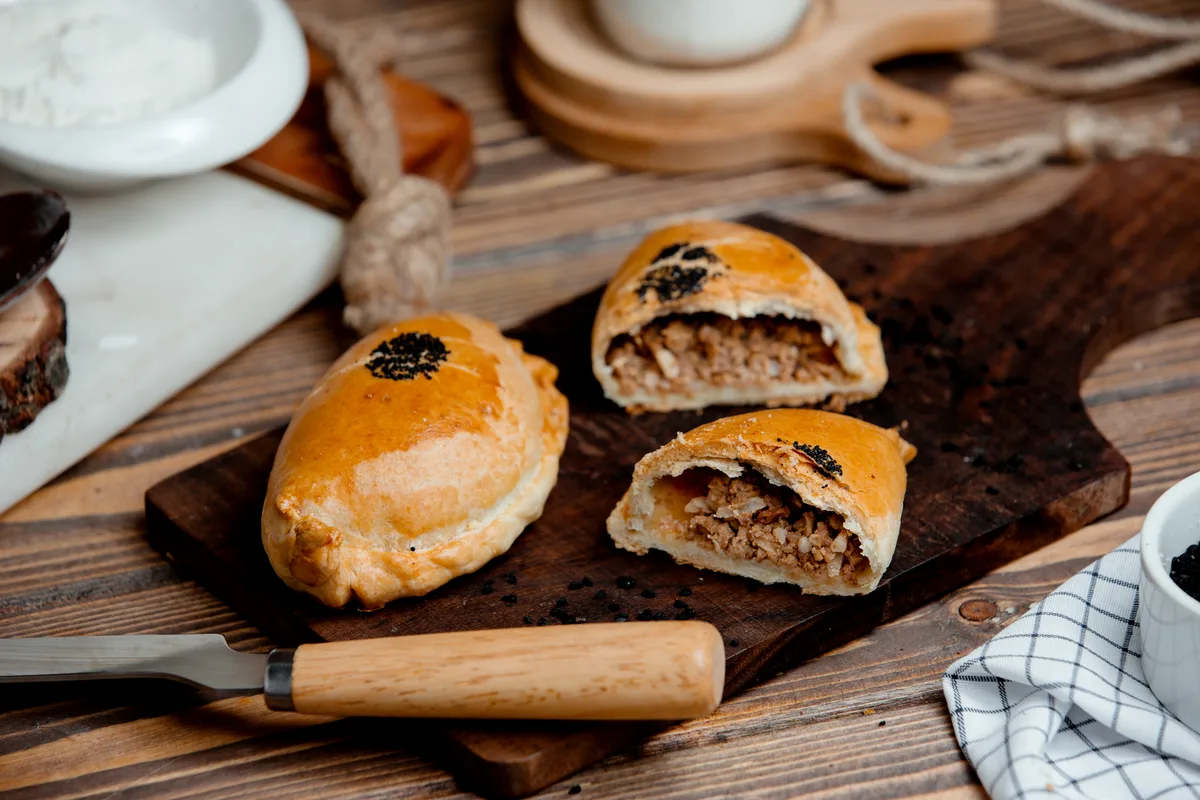
Why This Ground-Beef Pasty Recipe Works
A lot of traditional recipes call for raw chunks of beef, a homemade pastry, and a relatively long bake. That’s delicious when you have the time. But for an everyday dinner, I’d rather make a filling whose doneness I can check in the skillet, then concentrate on getting a flaky outer crust.
The cooked filling also makes seasoning easier to adjust. Tomato paste brings body without turning everything into a saucy meat pie. A little Worcestershire adds depth, and potatoes make the portions feel substantial. Peas add color without needing another pan.
My biggest design choice is using rectangles rather than cutting rounds. Puff pastry comes in sheets. Cutting two rectangles from each sheet wastes less pastry than trying to stamp large circles out of a square sheet. Eight large rectangles fold into eight square-ish pockets, which is easier to manage than lots of tiny scraps.
Mince Meat Pasties Ingredients
This ingredient list makes eight generous mince meat pasties. It’s a starting-point editorial recipe, not a claim that I cooked and laboratory-tested this exact batch. Brands of pastry sheets differ in dimensions, so check the package before cutting.
Prep: about 35 minutes • Cook and bake: about 35 minutes • Total: approximately 70 minutes, not counting extra chilling
| Ingredient | Amount |
|---|---|
| Lean ground beef | 1 lb (90/10 is convenient) |
| Small yellow onion, diced fine | 1 |
| Cooked potato, small dice, well drained | 1 cup |
| Frozen peas | 1/2 cup |
| Tomato paste | 2 tbsp |
| Worcestershire sauce | 2 tsp |
| Dried thyme | 1 tsp |
| Kosher salt | 1/2 tsp, adjust to taste |
| Ground black pepper | 1/4 tsp |
| Frozen puff pastry, thawed as labeled | 4 sheets (often 2 boxes; check count) |
| Large egg, beaten with 1 tbsp water | 1, for brushing |
Equipment: skillet, thermometer, sheet pans, parchment, rolling pin if needed, fork, pastry brush. The meat is cooked separately and checked to 160°F.
Shopping notes for mince meat pasties
Choose lean beef so you don’t have to pour a lot of fat out of the skillet. Even lean ground beef can release liquid; drain it if needed. A small waxy or all-purpose potato holds its shape better than mashed potato. Dice it small enough that a forkful of filling doesn’t end up with one enormous piece.
Keep the puff pastry in the refrigerator while you prepare the filling. It should bend without cracking, but it shouldn’t feel warm or greasy. Some brands have one sheet per box and others have two, which is why I specify four sheets instead of blindly saying “two packages.” Read the count on the label before leaving the freezer aisle.
For a slightly different filling, swap the peas for finely diced cooked carrots or mushrooms that have been sautéed dry. If you’re using a vegetable with lots of water, cook it first. That’s the kind of detail that matters more than any fancy seasoning.
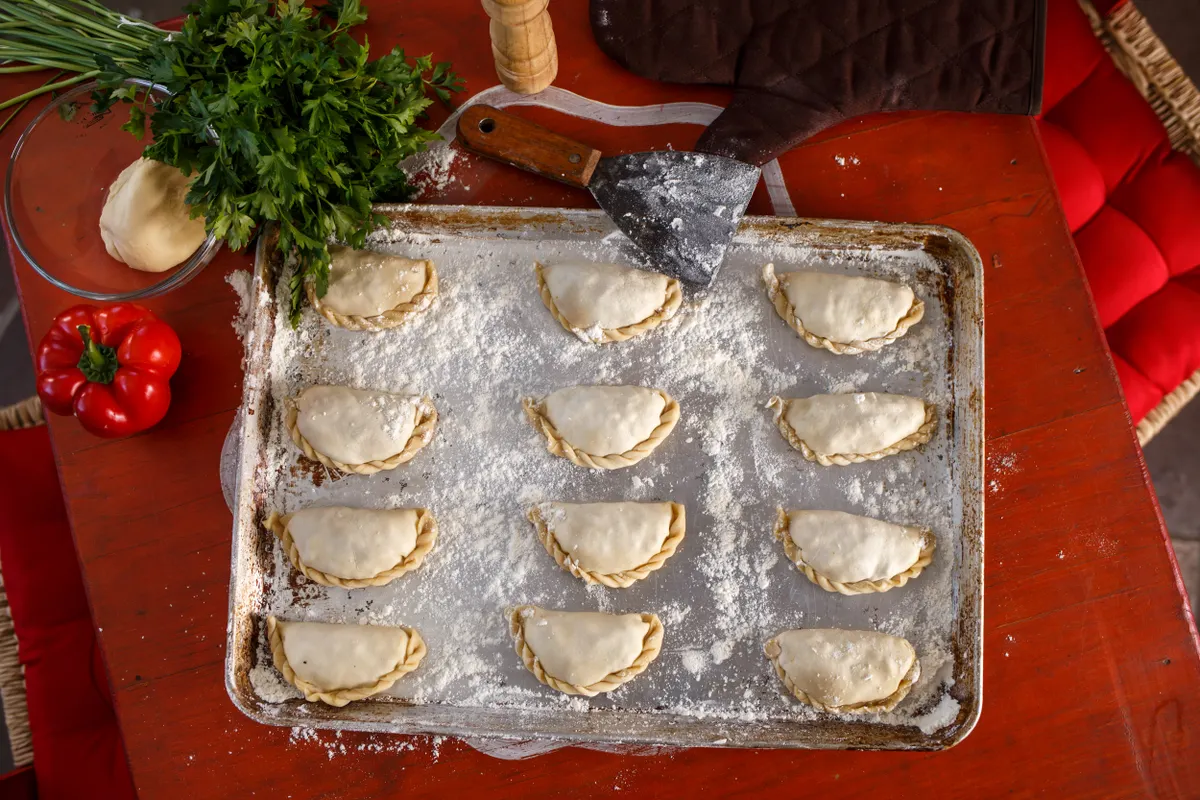
How to Make Mince Meat Pasties Step by Step
Here’s how I’d build a dependable batch without trapping steam in the crust. Don’t hurry the cooling stage. Keeping everything dry and reasonably cold is what gives a baked hand pie a much better chance of staying crisp.
Step 1: Cook the meat and vegetables
Simmer diced potato in water until just tender, drain it thoroughly, and let the surface steam dry. In a skillet over medium heat, cook the onion with the ground beef, breaking the meat into small crumbles. Check that the ground beef reaches at least 160°F with a food thermometer; browned color alone is not a reliable doneness test.
Drain excessive fat, then stir in the potato, peas, tomato paste, Worcestershire sauce, thyme, salt, and pepper. Cook briefly until the mixture is cohesive and there isn’t a puddle at the bottom of the pan. You want a spoonable filling, not soup. Spread it in a shallow dish to cool promptly; refrigerate if assembly won’t happen soon.
Step 2: Cut, fill, and fold eight pockets
Heat the oven to 400°F. Place two parchment-lined baking sheets nearby. Unfold one properly thawed, cool pastry sheet at a time. On a roughly 10-inch square sheet, cut down the middle to make two rectangles about 5 by 10 inches. Each one folds crosswise into a roughly 5-inch square pocket. Actual dimensions vary with the brand, so adapt the center cut to your sheet.
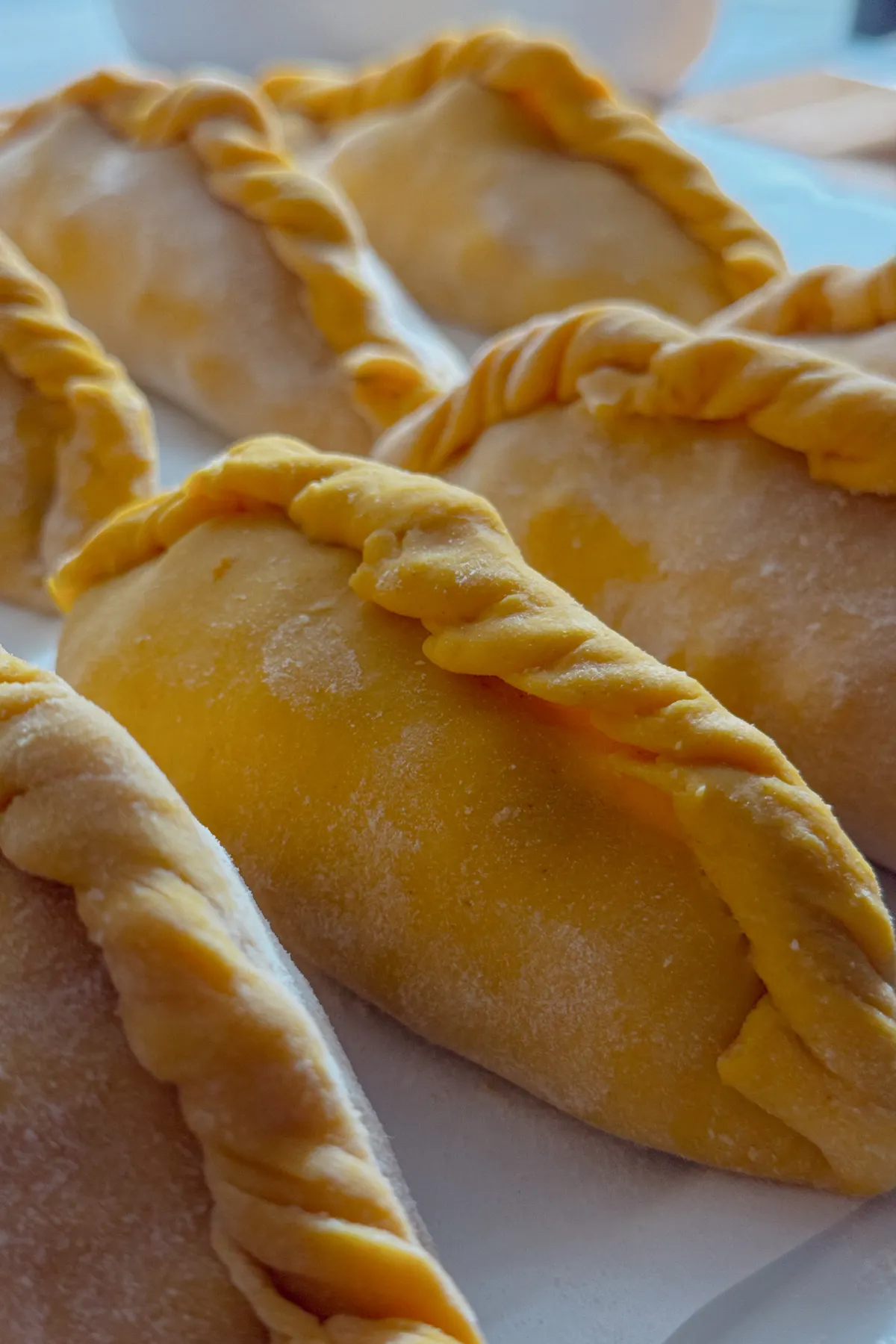
Place roughly 1/3 cup of cooled filling onto one half of a rectangle, leaving at least a 1/2-inch clear edge. Dab the edge with beaten egg, fold the empty half over the filled half, press out large air pockets, and crimp all three open sides with a fork. Cut one small vent into the top and brush lightly with the remaining egg wash. Repeat until you have eight pockets.
Step 3: Bake until the pastry is deeply golden
Give the pies room on the baking sheets. Bake for an estimated 22–28 minutes, rotating the pans if your oven browns unevenly. Puff pastry brands and ovens vary, so the appearance matters as much as the clock: look for good rise, dry-looking sides, and a rich golden surface. If a corner looks pale and doughy, it probably needs more time.
Rest the finished mince meat pasties for 5–10 minutes on a rack before serving. They’re easier to handle once the filling stops bubbling, and the bottoms won’t steam as badly as they would on a cold plate. Keep in mind that the USDA safety temperature for the beef is handled in the skillet; reheated leftovers need 165°F.
How to Seal Mince Meat Pasties Without Leaks
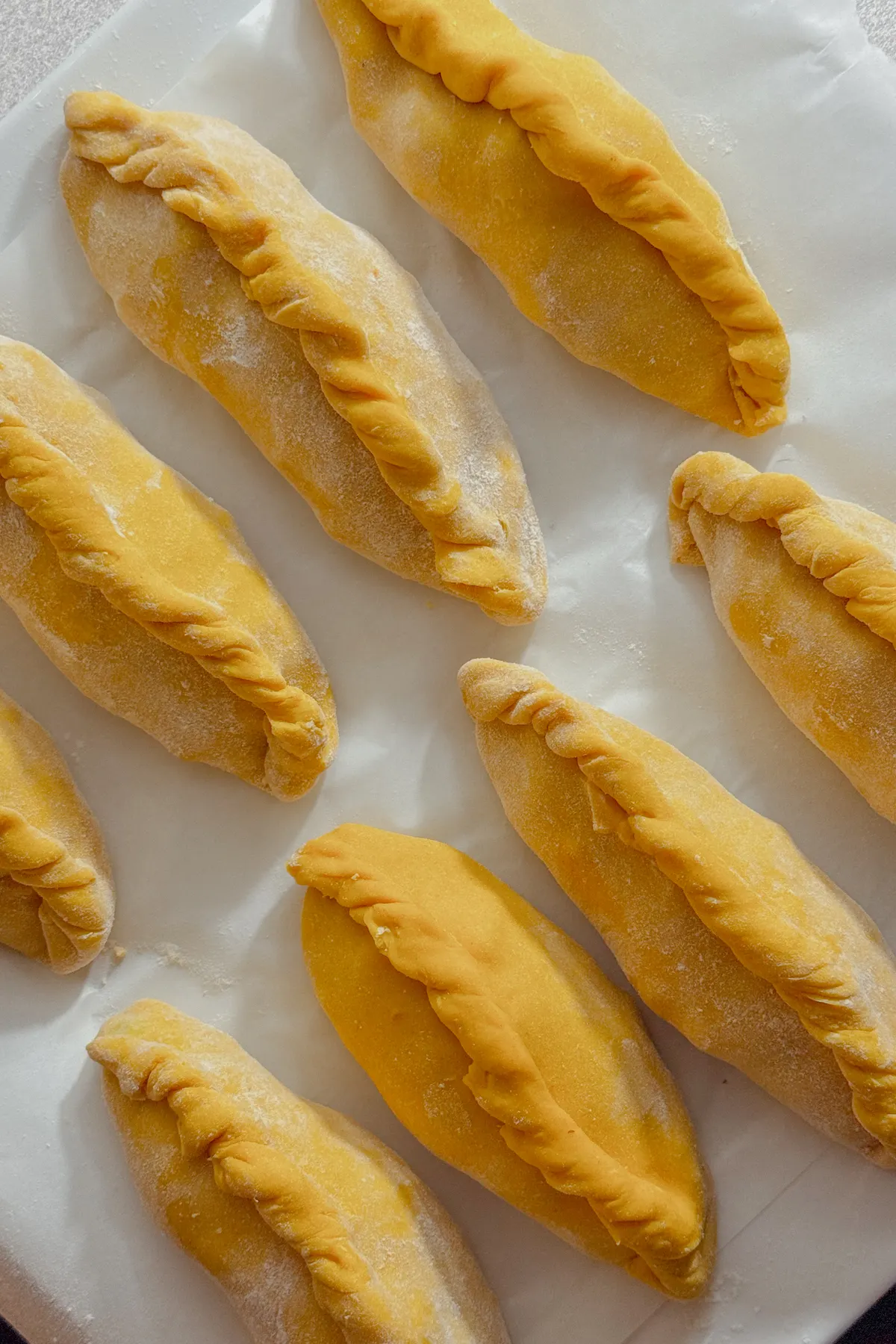
Good crimping starts before you pick up a fork. Filling on the sealing edge acts like a lubricant, so wipe away anything that spills onto the border. Keep at least 1/2 inch clear all the way around. A modest mound of filling is much safer than one packed to the corners.
Brush the border lightly with egg wash, fold the pastry over without stretching it tight, then press the edges together. Run a fork along the seam to make an even seal. Finally, add a tiny steam vent on top. The vent gives pressure an exit that isn’t the edge you worked so hard to close.
Why do mince meat pasties sometimes burst?
Usually it’s one of three problems: hot filling softens the pastry, liquid gathers at the seam, or there’s simply too much filling inside. There can also be trapped air that expands fast in the oven. If a pastry tears before baking, patch it with a small chilled piece of dough and press gently; don’t keep kneading or stretching it.
A brief chill of the assembled pockets can help when the room is warm or the pastry feels soft. I prefer moving an unbaked sheet pan to the refrigerator rather than trying to rescue a warm, buttery dough on the counter. Keep food-safety timing in mind and don’t leave the cooked filling sitting out while the pastry chills.
How Much Filling Do You Need for 4, 8, or 12 Pasties?
A useful starting ratio is around 1/3 cup cooked filling per large pastry pocket. The exact amount depends on how thinly the dough is rolled and the size of the rectangles. If the border won’t close without stretching, remove a spoonful. You can always serve any extra filling over a baked potato or in a rice bowl.
| Batch | Ground beef | Pastry sheets | Potato and peas |
|---|---|---|---|
| 4 pockets | 1/2 lb | 2 | 1/2 cup potato; 1/4 cup peas |
| 8 pockets | 1 lb | 4 | 1 cup potato; 1/2 cup peas |
| 12 pockets | 1 1/2 lb | 6 | 1 1/2 cups potato; 3/4 cup peas |
I’d keep the pastry pieces consistent rather than trying to make larger and larger pies from the same sheet. Similar sizes bake more evenly. If you’re doubling the recipe, plan to use two baking sheets and check the oven’s hot spots. Don’t crowd a sheet so tightly that the pastry sides stay pale.
Puff Pastry vs. Shortcrust for Beef Hand Pies
Puff pastry is the faster choice and gives noticeable flaky layers. Shortcrust pastry creates a sturdier, less airy shell, and many traditional pasties use a firmer dough. Either can hold a ground-beef filling, but they won’t bake at exactly the same speed or feel identical when eaten.
If you substitute homemade shortcrust, use the baking guidance from the specific pastry recipe and consider the thickness of your dough. Don’t assume a 22-minute puff-pastry estimate works for a thick, raw shortcrust. That is one reason mince meat pasties recipes can look so different from one website to another.
For store-bought puff pastry, the easiest texture upgrade is simply to use it cold and avoid overworking it. I don’t roll the sheets paper-thin. Thin dough tears, and a thin lower layer can become soggy even when the filling is fairly dry.
6 Common Pasties Problems and Quick Fixes
- Soggy bottom: The filling had too much liquid, or the hot pastry sat on a solid plate. Simmer the filling until moist but not runny, and rest baked pockets on a rack.
- Split seam: The border was greasy or too narrow. Keep a clean 1/2-inch margin, then press and crimp evenly.
- Pale pastry: The oven may be cool, the sheet pan crowded, or the surface unbrushed. Check the oven temperature and bake until richly golden.
- Butter leaking from dough: Pastry became too warm before baking. Chill it according to its package guidance rather than kneading it.
- Filling falls out when eating: The vegetables were cut too large or the pocket was overfilled. Chop everything small and avoid packing it tightly.
- Dry ground beef: Very lean meat or an over-reduced filling may taste crumbly. Use enough tomato paste and vegetable moisture to hold the mixture together without leaving liquid.
None of these fixes requires a fancy machine. A thermometer, a cold pastry sheet, and a few extra minutes of cooling will solve more problems than a different spice blend. If you’re cooking for guests, make one practice pocket first to see how your particular pastry folds.

Easy Filling Variations for Mince Meat Pasties
Once you understand the dry-filling rule, you can change the flavor without changing the fold. I wouldn’t turn this into a highly sauced meat mixture: a spoon of juicy tomato sauce is fine, but a ladleful will seep into the pastry. Think chopped and cohesive rather than runny.
Cheddar and beef
Cool the cooked beef mixture fully, then add a little grated sharp cheddar just before filling. Keep it away from the seam because melting cheese can push the edge open. This is one of the easiest adjustments for a family that loves cheeseburger flavors. If that’s your favorite dinner style, my Big Mac bowl recipe is another ground-beef option.
Mushroom and onion
Cook finely chopped mushrooms until they’ve released and evaporated their liquid, then fold them into the cooked beef. Add a little extra thyme or black pepper. Mushrooms are flavorful but watery when undercooked; let them dry in the pan first.
Smoky paprika
Add a small amount of smoked paprika, keep the potato and peas, and serve with a tangy yogurt dipping sauce. It’s an approachable change from the traditional seasoning. For a stronger heat, a little chili powder can work, but don’t pour hot sauce directly into the pastry filling.
Extra vegetable pocket
Replace part of the potato with cooked carrots or finely diced cooked rutabaga. Make sure everything is bite-size and drained before sealing. The aim is a filling that cuts neatly when the pastry is opened, not big wet chunks that pull the seam apart.
What to Serve with Beef Pasties
A warm hand pie already includes meat, starch, and some vegetables, so I keep the side fairly simple. A crunchy green salad with a sharp vinaigrette balances the buttery pastry. Steamed green beans or a bowl of roasted vegetables are also practical, especially if the pastries are going into lunch boxes.
If you’re planning several dinners for the week, my easy chicken meal-prep boxes offer a totally different lunch format. For another cozy baked dinner, the easy chicken pot pie has a creamy filling rather than the firmer handheld mixture here.
A couple of dipping sauces work well, too: a mustard-yogurt sauce, a spoon of plain Greek yogurt with herbs, or a tangy tomato relish. Serve dips on the side. Pouring sauce all over the pastry tends to undo the crispness you just worked to build.
Make-Ahead, Freezing, and Food Safety
Because the filling contains cooked ground beef, treat these as a perishable meal even when the pastry looks sturdy. FoodSafety.gov lists 160°F as the safe minimum for ground meats and 165°F for reheated leftovers. That is why I recommend measuring the meat temperature in the skillet instead of relying on a browned appearance.
The USDA says to refrigerate perishable leftovers within two hours, or one hour when the temperature is above 90°F. Keep them in shallow containers so they chill promptly, and use refrigerated leftovers within three to four days. For make-ahead preparation, I’d cook and cool the filling promptly, refrigerate it, and assemble the pastry later while everything is cold.
Can you freeze mince meat pasties?
Yes, but the easiest storage route for a home kitchen is to bake them first, cool and refrigerate promptly, then wrap individual portions for freezing. Defrost in the refrigerator and reheat until the filling reaches 165°F. The crust may be less flaky than a freshly baked pie, so use an oven or air fryer rather than letting it steam in a covered microwave container.
Raw, assembled pockets are another freezer-friendly approach when handled safely, but the timing depends on the pastry brand and the filling’s temperature. Follow the pastry manufacturer’s thawing or baking guidance and never leave meat-filled pastries sitting at room temperature to thaw.
How to Reheat Mince Meat Pasties and Keep Them Crisp
For a refrigerated hand pie, I’d reach for the oven: arrange it on a tray around 325°F–350°F and warm until the center reaches 165°F. Time changes with size and starting temperature, so a thermometer is the reliable check. An air fryer can work too, but inspect the crust frequently because flaky edges brown fast.
If all you have is a microwave, use it to heat the filling safely, then crisp the outside briefly in a toaster oven if you want. Don’t assume the outside being hot means the middle is. The point is a hot center and an enjoyable crust, not a rigid minute count.
Interactive Mince Meat Pasties Batch Calculator
Use this simple batch helper if you’re buying groceries for four, eight, or twelve pockets. It multiplies the core amounts and keeps all calculations in your browser; no choices are stored or sent anywhere.
This is a proportional shopping guide, not an automatic cooking-time calculator. Larger batches may need extra baking sheets and oven rounds.
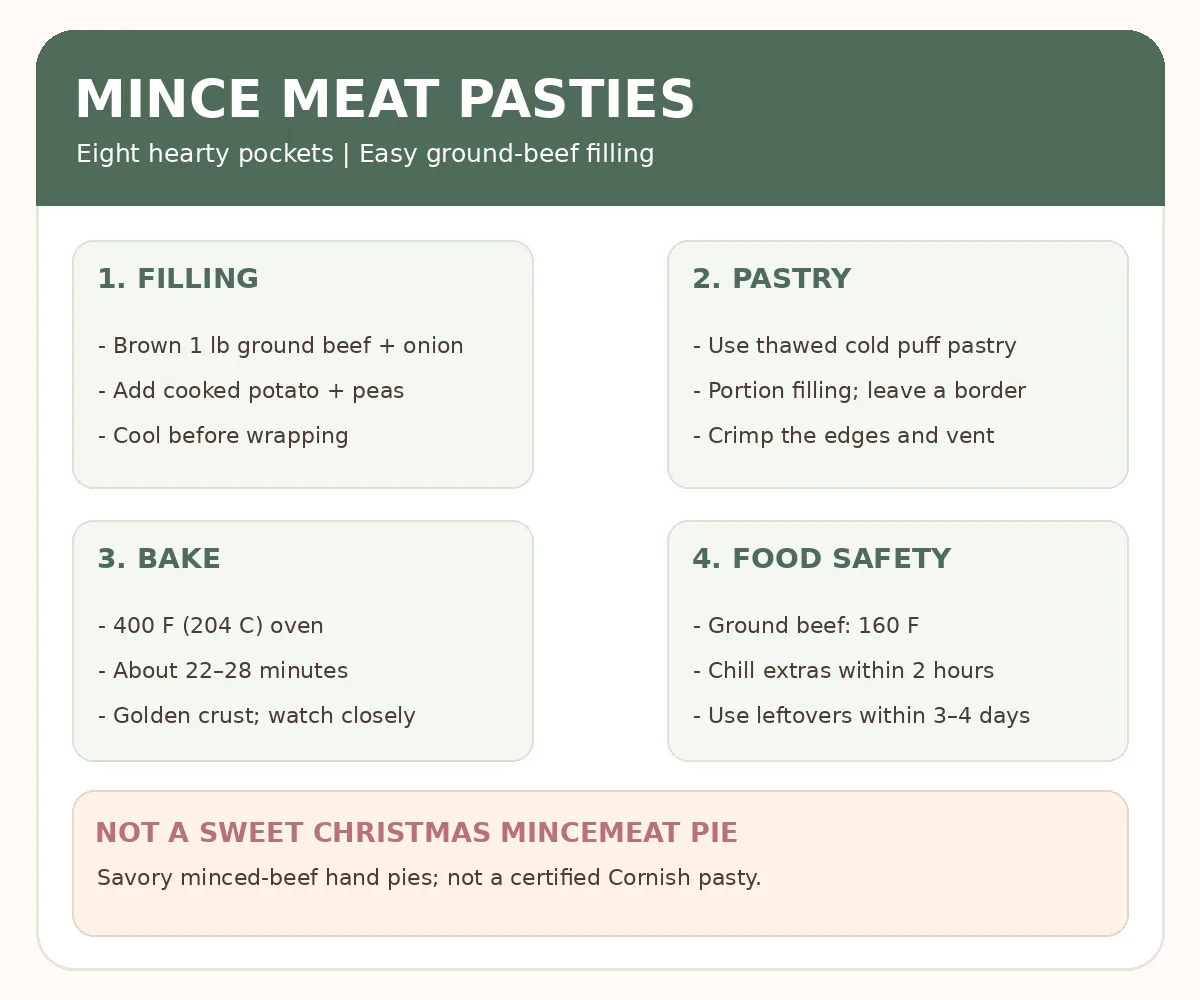
Mince Meat Pasties Quick-Reference Infographic
This is the version you can glance at while the oven heats up. It puts the four decisions that matter most in one place: cook the beef safely, keep the filling relatively dry, seal cleanly, and bake cold pastry until golden.
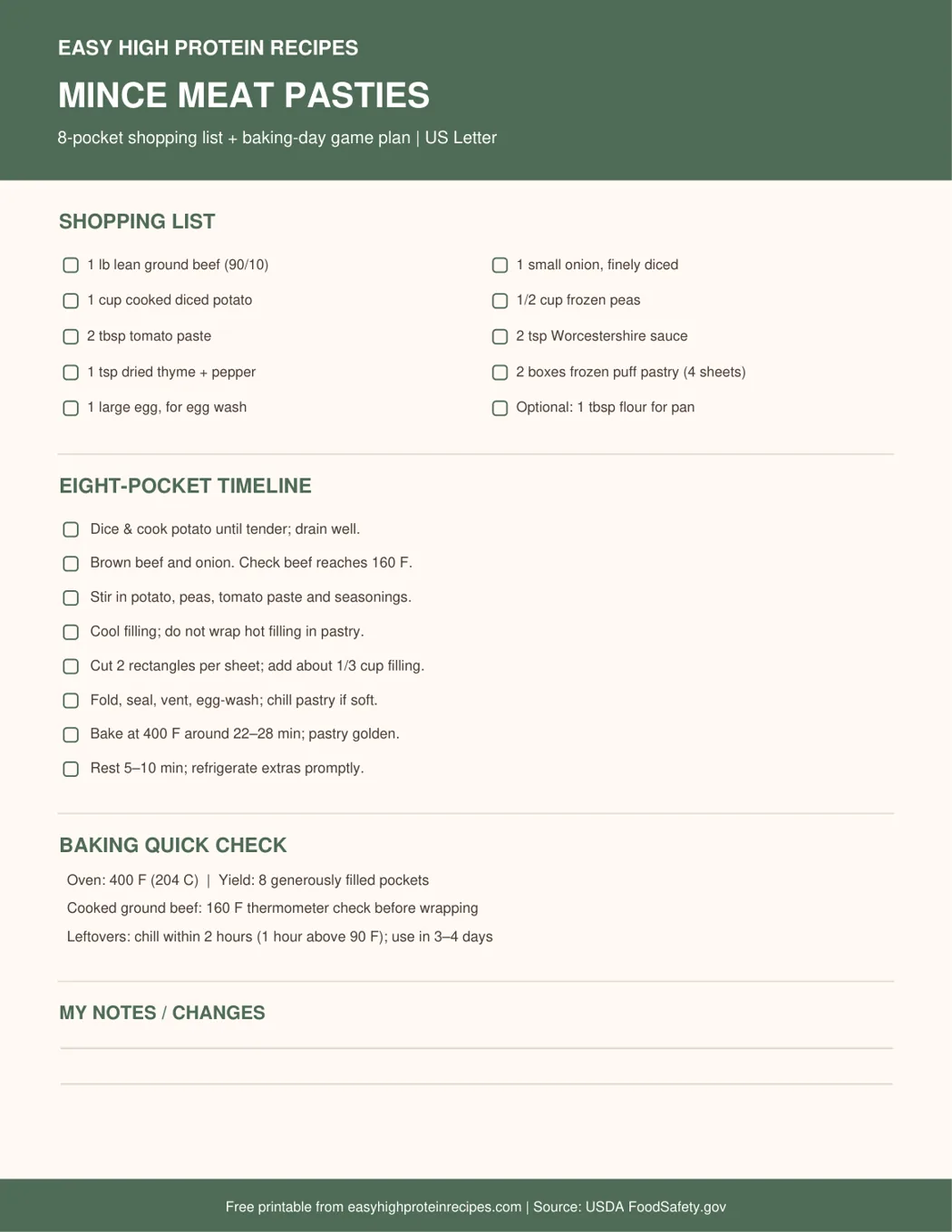
Free Mince Meat Pasties Shopping and Baking Checklist
The one-page US Letter PDF is designed for a real shopping trip and a real prep session. There’s a shopping list with quantities, a short sequence for cooking and cooling, a reminder about four sheets becoming eight rectangles, and room for notes about your pastry brand.
Mince Meat Pasties Frequently Asked Questions
How do you make mince meat pasties?
Cook and season ground beef with onion, potato, and peas, then let the filling cool. Spoon it into rectangles of cold puff pastry, fold each piece, crimp the edges, and bake until the pastry is well browned. For a safe starting method, cook the beef to 160°F before filling.
Can you make Cornish pasties with mince meat?
You can make Cornish-inspired savory pastries using ground beef, but that isn’t the same as a protected traditional Cornish pasty. Traditional versions use different cuts and ingredients and have specific requirements. If authenticity matters, choose a traditional recipe rather than substituting this shortcut.
Should the ground beef be raw or cooked before filling?
Some traditional pasties bake raw meat inside the pastry. This recipe uses pre-cooked ground beef, which lets you measure 160°F in the skillet and avoids betting the meat’s doneness on whether the pastry is brown. Follow one complete recipe method rather than mixing different approaches at random.
Can I use pie crust instead of puff pastry?
Yes, but the texture and baking time will differ. Pie crust is denser and more substantial, while puff pastry bakes in airy layers. Follow the pie-crust recipe’s thickness and timing instructions; don’t simply use the puff-pastry time without checking doneness.
Can I make mince meat pasties the day before?
Yes. You can prepare and refrigerate the cooked filling promptly, then fold and bake the pastry the next day. Or bake the pockets ahead, refrigerate promptly, and reheat to 165°F before serving. Keep the prepared filling refrigerated rather than leaving it on the counter overnight.
How long do beef pasties last in the fridge?
USDA guidance is to use cooked refrigerated leftovers within three to four days if they were cooled and stored promptly. Pack the pastries in shallow covered containers, reheat leftovers thoroughly to 165°F, and discard food that was left out too long.
More Easy High-Protein Dinner Recipes
For another comforting beef dinner, our beef bourguignon recipe is an easy-to-follow Dutch-oven classic.
Sources and Editorial Note
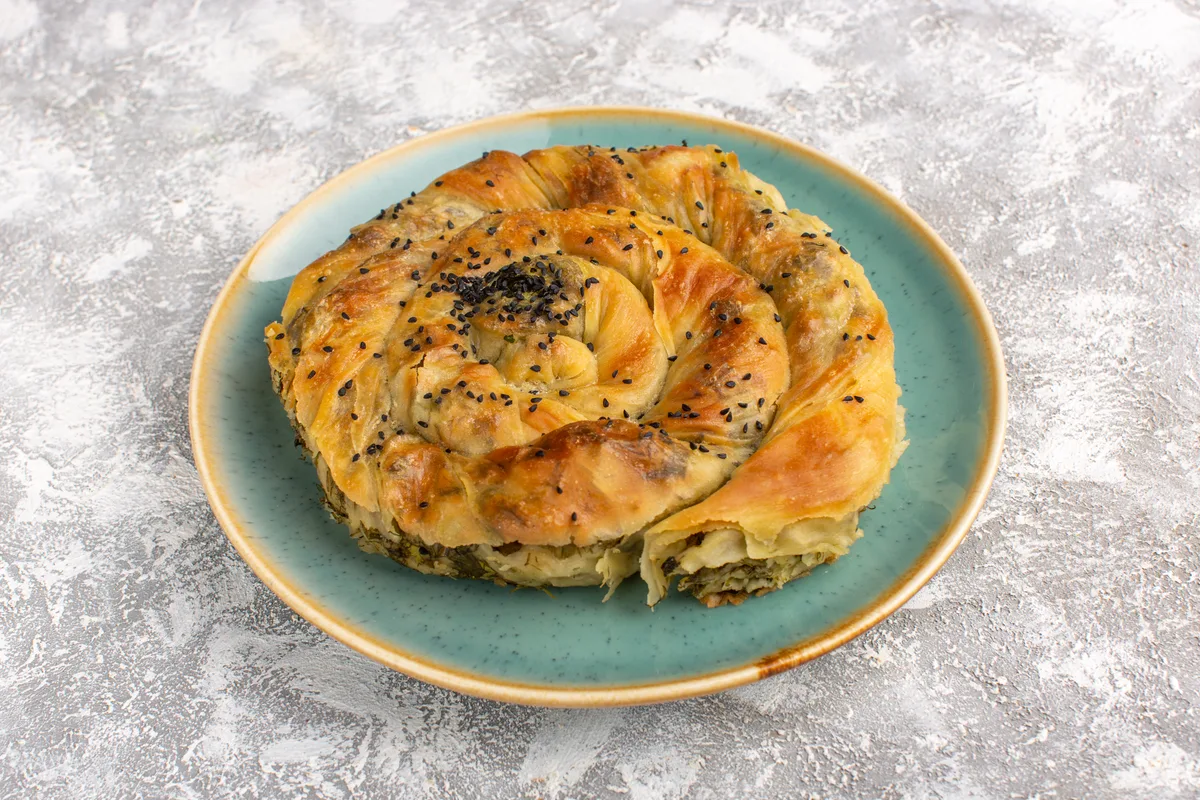
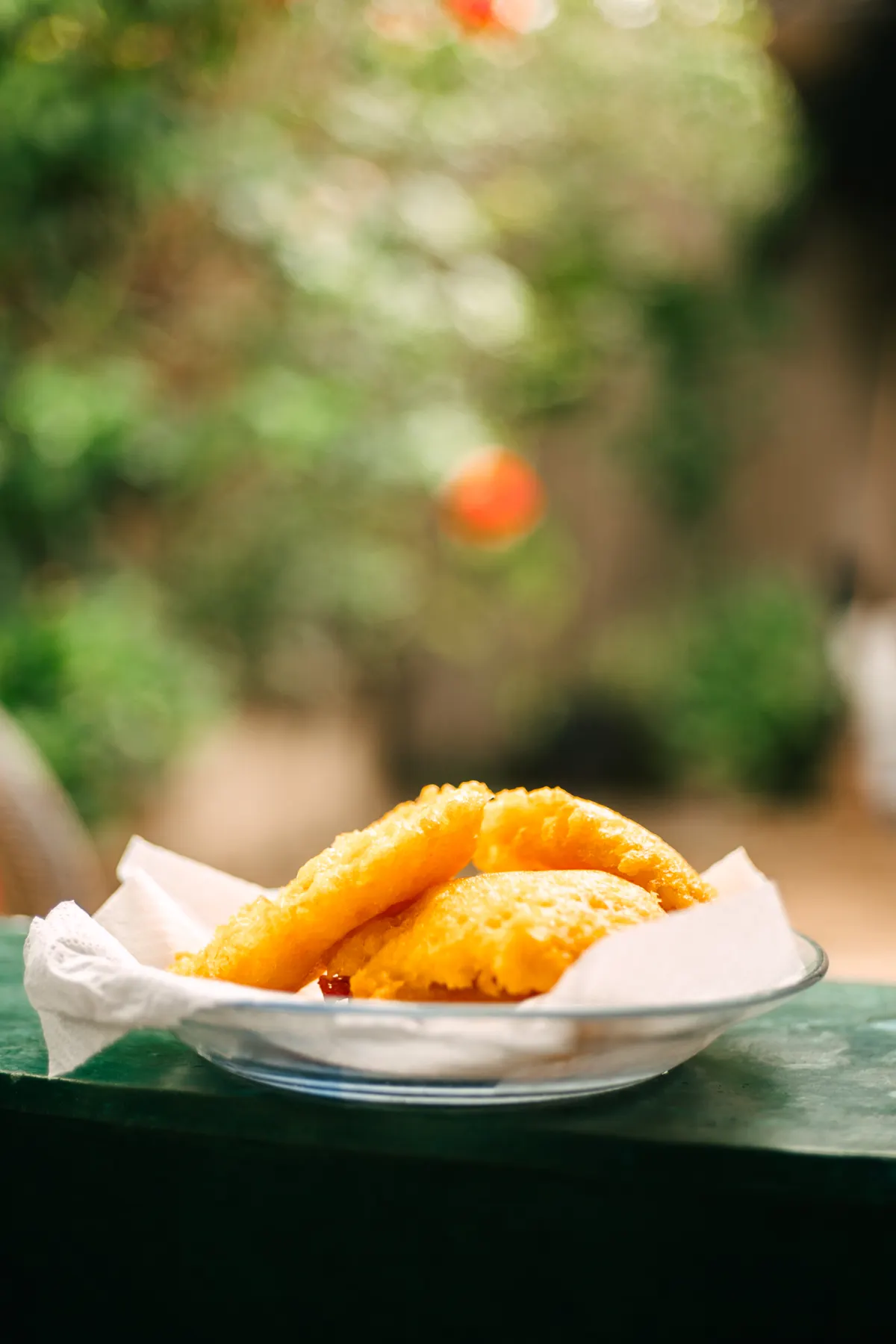
This article is a practical recipe concept and cooking guide. It does not claim a personally tested batch, verified nutrition calculation, or an authentic certified Cornish pasty. The images show real licensed stock photography of related savory meat pastries and empanadas, not photographs of this precise preparation.
For food safety I rely on US government guidance for meat temperatures, thawing, refrigeration, and reheating. For terminology and protected regional identity, the UK government and Cambridge Dictionary provide context. Please follow the label on your particular pastry brand and check food temperatures with a thermometer.
- FoodSafety.gov: Safe Minimum Internal Temperatures — 160°F ground meats, 165°F leftovers.
- USDA FSIS: How to Handle Leftovers Safely — cooling, refrigeration, and storage.
- FDA: Safe Food Handling — safe thawing and separation of foods.
- UK Government: Cornish Pasty Protected Name — what distinguishes the regional specialty.
- Cambridge Dictionary: Mincemeat — terminology that can refer to a different sweet filling.



One thought on “Mince Meat Pasties: 8 Easy, Delicious Pockets You’ll Love (+ Free Printable)”